Cryptocurrency: What It Is, How It Works, and Where It's Headed in 2025
When you hear cryptocurrency, a digital form of money that runs on decentralized networks without banks. Also known as crypto, it lets people send value across borders in seconds—no government approval needed. But it’s not just Bitcoin and Ethereum anymore. Today, cryptocurrency includes tokens that pay for cybersecurity, tokens that let you trade without a middleman, and even tokens that barely exist anymore.
Behind every coin is a story. Some, like Shentu (CTK), a blockchain built to stop hacks and protect smart contracts, solve real problems—Binance and Aave use it to keep funds safe. Others, like UvToken (UVT), a nearly dead token with no users or team, are ghosts in the ledger. Then there are crypto exchanges, platforms where you buy, sell, or trade digital assets—some legit, like Serum DEX, others fake, like Xevenue and UPXIDE, with zero audits and no users. And then there’s geography: in South Korea, Bitcoin costs more because of strict rules; in Tunisia, people trade illegally using cash and VPNs; in Iran, the military mines crypto while citizens lose power.
Regulations are catching up fast. Australia’s AUSTRAC now forces every crypto business to register by 2026. Nigeria’s SEC requires licenses for exchanges. The UAE offers zero tax on crypto—but that could change. Meanwhile, quantum computers could break Bitcoin’s encryption, putting over $745 billion at risk. And airdrops? Once a free way to get new tokens, now they’re traps or forgotten promises—like PAINT from MurAll or BRKL from Brokoli, worth pennies after the hype died.
This isn’t a fantasy world. It’s a messy, fast-moving reality where a coin can rise from nothing or vanish overnight. You’ll find guides here on how to spot scams, understand why some countries ban crypto while others welcome it, and figure out which projects still have legs. Whether you’re checking if a token is alive, learning how sidechains work, or trying to claim a future airdrop from Base, you’re not alone. The people who survive in crypto aren’t the ones chasing hype—they’re the ones who know what to ignore.
Posted by
HELEN Nguyen
0 Comments
Understand how the IRS taxes Bitcoin as property-from capital gains rates to hidden compliance traps. Includes 2024 brackets, audit tips & essential FAQ answers.
read morePosted by
HELEN Nguyen
0 Comments
Learn the essential US tax rules for Bitcoin and crypto property classification, capital gains rates, and compliance requirements under current IRS guidelines.
read morePosted by
HELEN Nguyen
1 Comments
A comprehensive review of Orderly Network, analyzing its omnichain liquidity infrastructure, Orderly One builder tool, and competitive advantages over traditional DEXs.
read morePosted by
HELEN Nguyen
1 Comments
A detailed review of MoonSwap on the Moonriver blockchain, analyzing fees, liquidity, and security compared to Uniswap. Ideal for developers and low-cost traders.
read morePosted by
HELEN Nguyen
3 Comments
Allcoin crypto exchange review confirms the platform is defunct since 2020. Learn why it shut down, analyze historical features, and discover safe modern alternatives.
read morePosted by
HELEN Nguyen
5 Comments
Crypto airdrop scams cause billions in losses yearly. Learn how to distinguish fake token campaigns from legitimate ones and protect your seed phrases and smart contract approvals.
read morePosted by
HELEN Nguyen
4 Comments
A comprehensive review of Baby Doge Swap covering fees, security, liquidity, and how it compares to major DEX platforms like PancakeSwap.
read morePosted by
HELEN Nguyen
6 Comments
Explore the technical differences between Payment Channels and State Channels for blockchain scaling. Learn how Layer 2 solutions like the Lightning Network work, their use cases, and which one fits your needs.
read morePosted by
HELEN Nguyen
5 Comments
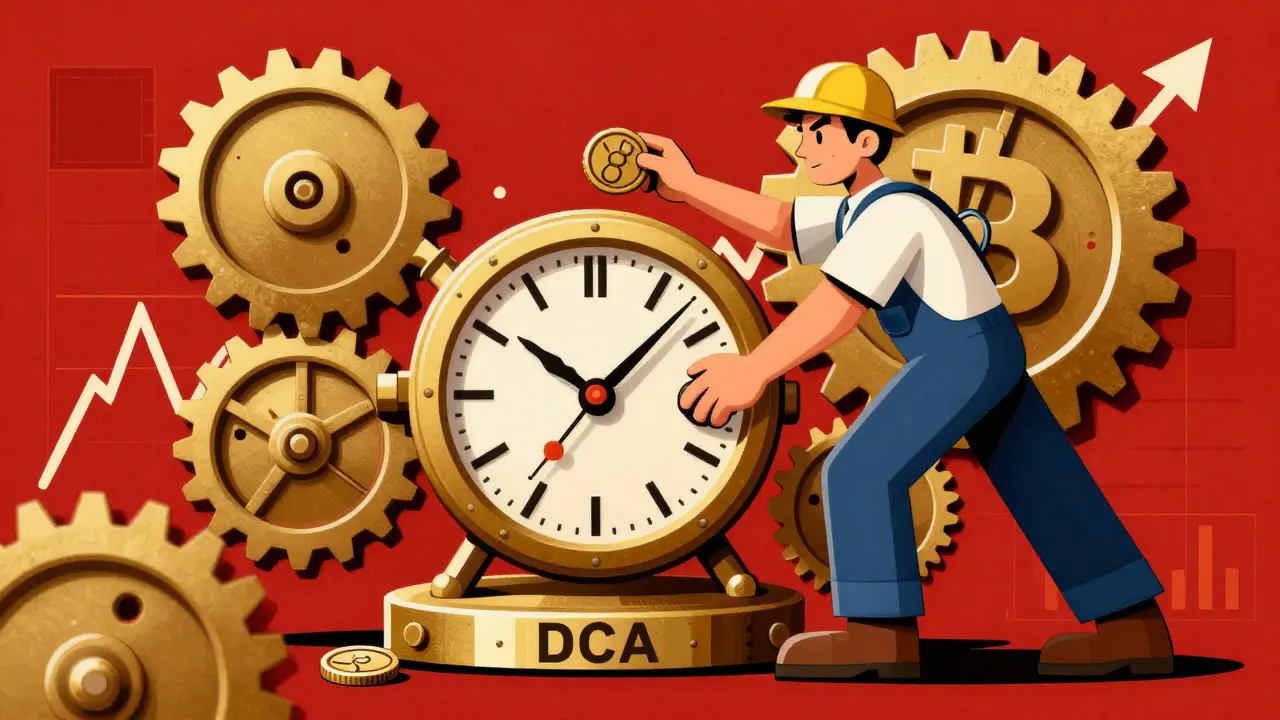
Dollar-cost averaging (DCA) helps investors buy crypto consistently, regardless of price swings. In bull markets, you pay more per coin - but hold longer. In bear markets, you buy more at lower prices. History shows DCA beats timing the market for most people.
read morePosted by
HELEN Nguyen
9 Comments
The Lepasa Polqueen NFT airdrop in January 2022 wasn't just free NFTs - it was a key to the Lepasa Metaverse. Learn how it worked, why ALBP mattered, and how it shaped the future of the ecosystem.
read morePosted by
HELEN Nguyen
0 Comments
Ultron Swap is a decentralized exchange with minimal trading volume, no user activity, and unclear utility. Despite EVM compatibility and an audited blockchain, it lacks liquidity, documentation, and community support - making it unusable for most traders.
read morePosted by
HELEN Nguyen
7 Comments
As of 2026, there is no official FaraLand (FARA) community airdrop. Learn what happened to FARA tokens since launch, how to get them legally, and how to avoid scams pretending to offer free tokens.
read more