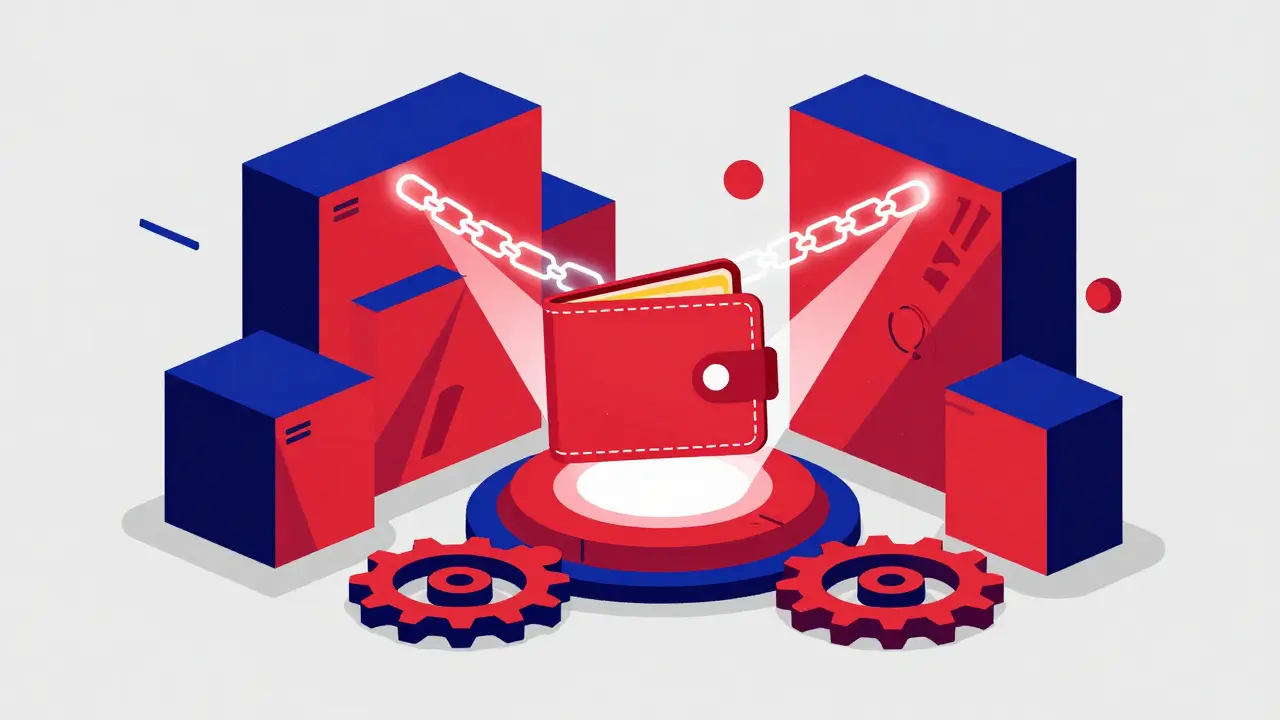
You've probably heard the name MoonSwap while scrolling through DeFi lists, wondering if it's just another copycat or something special. The truth is, it operates differently than the giants you know like Uniswap. If you are already deep in the Polkadot ecosystem, MoonSwap is almost essential. For everyone else, it depends entirely on what you value more: ultra-low fees or massive liquidity. In this review, I'm breaking down exactly how MoonSwap performs in the current market, where it saves you money, and where it might lose you assets.
What Exactly Is MoonSwap?
MoonSwap is the first truly decentralized exchange (DEX) built specifically on the Moonriver blockchain network. It was launched as part of Moonriver's ecosystem strategy starting in late 2021. Think of it as the core engine for trading within that universe. Unlike centralized exchanges where a company holds your funds, MoonSwap runs on code. Anyone can list a token by simply adding liquidity, which removes the gatekeepers usually found in traditional finance. This permissionless model attracts developers launching new projects, though for casual traders, it means there's often less vetting of the tokens available.
It functions as an Automated Market Maker (AMM), similar to early versions of Uniswap but optimized for the Moonriver chain's unique speed and cost structure. The platform currently supports over 2,500 token pairs. It connects directly to wallets like MetaMask or Trust Wallet. You don't create an account; you connect your digital wallet. This setup gives you full control over your private keys, which is the defining feature of the "Web3" experience.Fees and Transaction Speed
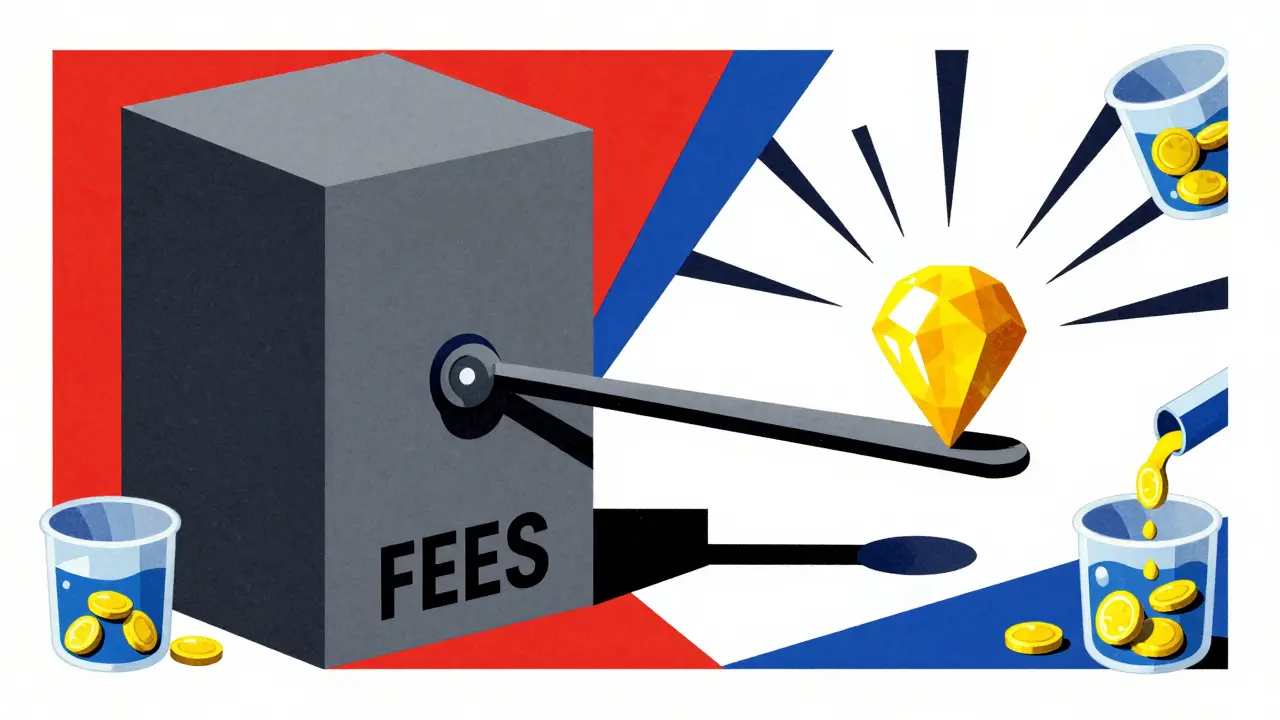
Cost is the biggest differentiator here. When you trade on Ethereum-based platforms, you often pay high "gas" fees. On MoonSwap, the average gas fee sits around $0.00045 per transaction based on recent data. To put that in perspective, Ethereum mainnet averages roughly $1.25 per transaction, and even BSC isn't always that cheap. If you are moving small amounts of capital, these savings stack up fast.
Speed also matters. Moonriver blocks every 12-15 seconds. That sounds slow compared to Solana, but for most manual trading, it feels instant. You submit a trade, and finality happens immediately without waiting minutes for confirmation. However, keep in mind that the network's performance relies on the overall stability of Moonriver. If the blockchain congests, speeds will drop, though congestion is rare compared to Ethereum.
One hidden cost to watch is slippage. While gas fees are low, liquidity pools for obscure tokens might be thin. If you try to swap a large amount (say, over $50,000) of a low-volume asset, you might see price impact exceeding 5%. Always check the pool depth before clicking swap.
| Feature | MoonSwap (Moonriver) | Uniswap (Ethereum) | PancakeSwap (BSC) |
|---|---|---|---|
| Average Transaction Fee | $0.00045 | $1.25+ | $0.05 |
| Block Finality | 12-15 seconds | 12-15 seconds | 3 seconds |
| Daily Trading Volume | $8.2 million | $1.2 billion | $420 million |
| Swap Fee Rate | 0.3% | 0.3% | 0.25% |
Liquidity and Asset Selection
Liquidity is where MoonSwap shows its age compared to the giants. With a daily volume of around $8.2 million, it serves a niche audience well. But if you are looking to trade mainstream stablecoins like USDC against major assets, the pools aren't as deep as they are on Uniswap. There are moments where you might find better prices elsewhere if you're dealing with significant sums.
However, the range of assets is wild. Because anyone can launch a pool, you'll find thousands of niche tokens, experimental memecoins, and local ecosystem projects you won't find anywhere else. This makes MoonSwap a hunting ground for early opportunities, but also a riskier environment. You need to verify tokens manually because there is no centralized audit team checking every single listing.
The platform excels with Moonriver-native assets like MOVR, SOLR, and wrapped versions of other chains. It uses the XC-20 standard to handle these bridges, making it easy to move assets from Ethereum or Binance Smart Chain into the Moonriver ecosystem for cheaper swapping.
Security and Risk Factors
Security is non-negotiable in crypto. MoonSwap inherits the security of the Moonriver blockchain itself, which has performed reliably since its mainnet launch in June 2021. The protocol audits happen regularly, but smart contracts always carry some inherent risk. The biggest danger isn't necessarily hacks, but rather smart contract bugs or malicious tokens listed by bad actors.
Since the exchange is permissionless, scams exist. You might see a token called "MoonSwap Official Token" that is actually a fake. Always check the contract address. The platform also warns users about volatility in the native token, MOVR. If MOVR crashes, the effective cost of gas spikes relative to your dollar holdings, which can make trading expensive during bear markets.
Unlike centralized exchanges that offer insurance funds, MoonSwap puts the burden of safety on you. This includes securing your own wallet seed phrases and verifying transactions before signing. If you lose access to your wallet, there is no support line to call to recover your funds.
User Experience and Interface
If you have used Uniswap or SushiSwap before, you'll feel right at home. The interface is clean, dark mode, and straightforward. You enter the amount, select the output token, and see the estimated rate. But for beginners, there are hurdles. You need to set up your wallet, add the Moonriver network details (Chain ID 1285), and buy MOVR for gas fees separately.
This setup takes time. Newcomers report an average onboarding time of 20+ minutes just to get connected. Experienced users take about 15 minutes. Once you are in, navigating the dashboard is intuitive. You can view charts, historical data, and your own LP positions easily. The analytics dashboard tracks your earnings if you provide liquidity.
Documentation is generally decent but lacks hands-on tutorials for complex strategies like yield farming optimization. Most users rely on community channels like Discord or Reddit guides to learn advanced features. The developer API is robust though, rated highly by those integrating tools, which keeps innovation high on the backend even if the frontend feels basic.

Is MoonSwap Right for You?
MoonSwap isn't for everyone. If you are day-trading small amounts, it is a fantastic choice due to the negligible costs. If you are deploying millions, the liquidity constraints might frustrate you. It fits perfectly for:
- Developers: Launching new tokens requires zero approval time here.
- DeFi Explorers: Those looking for alpha on niche assets.
- Low-Cost Traders: Anyone tired of Ethereum gas fees eating their profits.
- Cross-Chain Users: People leveraging Polkadot's parachain connectivity.
However, stay away if:
- You prefer one-click fiat on-ramps (you must bridge crypto from elsewhere).
- You demand deep liquidity for large block trades ($50k+).
- You want customer support (it's fully decentralized, so help comes from peers).
Final Verdict
MoonSwap represents a solid piece of infrastructure in the Polkadot landscape. It doesn't beat Uniswap on raw volume, but it beats them on cost and accessibility for smaller players. If you are willing to navigate the bridge requirements and manage your own security, the math favors MoonSwap for frequent, smaller trades. As Polkadot expands with updates like XCMP-Lite in 2026, its utility is set to grow. Just keep your eyes on liquidity depth and verify token contracts carefully.
Comments
Raymond K
MoonSwap really changes the game for low fee trading scenarios and i wanted to talk about that more. The fee structure really shows how much gas costs vary between chains compared to ethereum. This platform really highlights the difference for sure when you look at the math. People forget about the slippage sometimes though which is crucial for big orders. Gas fees are crazy on eth mainnet compared to this network speeds. I think small traders should try it out soon to save on costs eventually. Setup takes a bit but the reward is worth it later for sure. Security checks are necessary for every swap done on any dapp. You cannot ignore the risks associated with bridges when crossing chains. The community support is really helpful for issues that arise during usage. Documentation is decent but needs more guides for advanced features. Token selection is wild and fun to explore deeply if you are patient. Finding gems early could be profitable indeed if you do research. Just watch out for scams targeting new users constantly online. Verifying contracts stops most bad actors cold before damage occurs. Overall it feels solid for polydot fans specifically wanting cheaper trades. Would recommend testing with small amounts first before going all in. Its great to see innovation happening outside the usual mainnets.
March 30, 2026 at 16:31
Jamie Riddell
totally agree the gas savings alone make it worth the setup effort
March 31, 2026 at 20:27
Callis MacEwan
The AMM mechanics here are standard but the cross chain bridging introduces vectors for loss that many overlook. Liquidity fragmentation across the polkadot landscape creates a scenario where price discovery is often inefficient compared to established ethereum pools. Most retail traders fail to account for the slippage on lower cap tokens despite the marketing of ultra low gas costs. You need to understand the MEV implications when interacting with smart contracts on this specific chain architecture. The permissionless model is a double edged sword allowing innovation but also facilitating rug pulls at scale. Technical due diligence becomes mandatory rather than optional when navigating these decentralized marketplaces. Network congestion during high traffic events might still impact execution even with the advertised block times. Relying solely on the audit reports without inspecting the code yourself is a recipe for disaster in any ecosystem. The XC-20 standard works well theoretically but real world integration bugs are common in early adoption phases. Institutional capital avoids these venues until deeper liquidity layers mature beyond current projections. Market makers will likely manipulate the order books if surveillance mechanisms are not robust enough to prevent front running.
April 2, 2026 at 00:39
Lisa Miller
I appreciate the detailed perspective on the risks involved with cross chain interactions and technical diligence. It is always good to remember that we need to do our homework before connecting any wallets to new protocols. Staying informed about the latest updates helps us feel much more confident about using these platforms safely. Your point about market manipulation is scary but being aware makes us smarter traders overall. We can learn together and share tips on how to verify token addresses before swapping anything valuable. Building a knowledge base is the best defense against losing funds in the fast moving crypto world today. Positive vibes help us navigate the challenges and support each other through the learning curve effectively. Let us keep growing as a community and spread awareness about safety practices online constantly.
April 2, 2026 at 13:54
Matt Bridger
Liquidity metrics remain insufficient for serious capital deployment in the current environment. Infrastructure quality does not compensate for lack of depth in major stablecoin pairs. Prudent investors recognize that suboptimal execution costs outweigh transaction fees when scaling position sizes. Decentralized exchanges function poorly without institutional participation or adequate market making. Risk mitigation strategies suggest avoiding thin order books regardless of network efficiency promises.
April 4, 2026 at 13:38
Joy Crawford
u r sooo right 😱 i got scared reading about the rug pulls but its true 💀 cant lose money on fake stuff 🚫 need to be careful w our savings 💸😔 but i still wanna try cause free gas sounds amazing lol 😄 dont forget to back up seed phrases ppl 😰💻🙏
April 5, 2026 at 17:31
Liam Robertson
Security is the most important part of any exchange platform and users should never skip checks. Always verify the contract address before you connect your wallet to a new site. Keep your private keys safe and never share them with anyone asking for help online. The risks are high but the rewards can be better if you stay alert. Stick to known assets first and avoid jumping into unknown tokens too quickly.
April 6, 2026 at 22:27
Zackary Hogeboom
for sure man security is king out there and we gotta look out for each other. i read about some people getting tricked lately so its always good to double check everything. the community here is pretty cool though so we can help one another spot red flags early on. learning about the tech side makes me feel way more prepared to swap around. glad to see people talking about safety instead of just chasing pumps all the time.
April 7, 2026 at 03:34