IconTown Crypto Archive: October 2025 Insights
When you’re trying to make sense of crypto airdrops, free token distributions offered by blockchain projects to grow their user base. Also known as token giveaways, they’re one of the most popular ways regular users get into crypto without spending money. October 2025 was packed with them—some legit, some total scams. At IconTown, we filtered through the noise to find only the airdrops with active teams, clear roadmaps, and real community engagement. No vaporware. No anonymous devs. Just projects you could actually use.
Alongside airdrops, crypto exchanges, platforms where you buy, sell, and trade digital assets like Bitcoin, Ethereum, and new memecoins. Also known as crypto trading platforms, they’re the gateway for most people entering the space. saw major shifts. Several smaller exchanges added support for Layer 2 tokens, while two big names changed their fee structures overnight. We broke down exactly what changed, who it helped, and who got hit with hidden costs. If you traded in October, you need to know this.
And then there’s the blockchain guides, step-by-step tutorials that explain how wallets, staking, and smart contracts actually work in plain language. Also known as crypto how-tos, they’re what keeps beginners from losing money to simple mistakes. We published a few that got shared way more than expected. One showed how to safely claim airdrops without connecting your main wallet. Another walked through checking a token’s contract on Etherscan without knowing any code. These aren’t theory—they’re survival skills.
October 2025 wasn’t about wild price swings. It was about building habits. People stopped chasing pumps and started asking: Who’s behind this? Can I actually use it? Is this worth my time? That’s the shift IconTown focuses on. No hype. No fear. Just facts, tested tools, and real user experiences.
You’ll find all of it here—the airdrops that paid out, the exchanges that kept their promises, the guides that actually saved someone’s funds. No fluff. No recycled news. Just what mattered in October 2025, sorted and verified. What you see below is what real crypto users were talking about when the noise died down.
Posted by
HELEN Nguyen
6 Comments
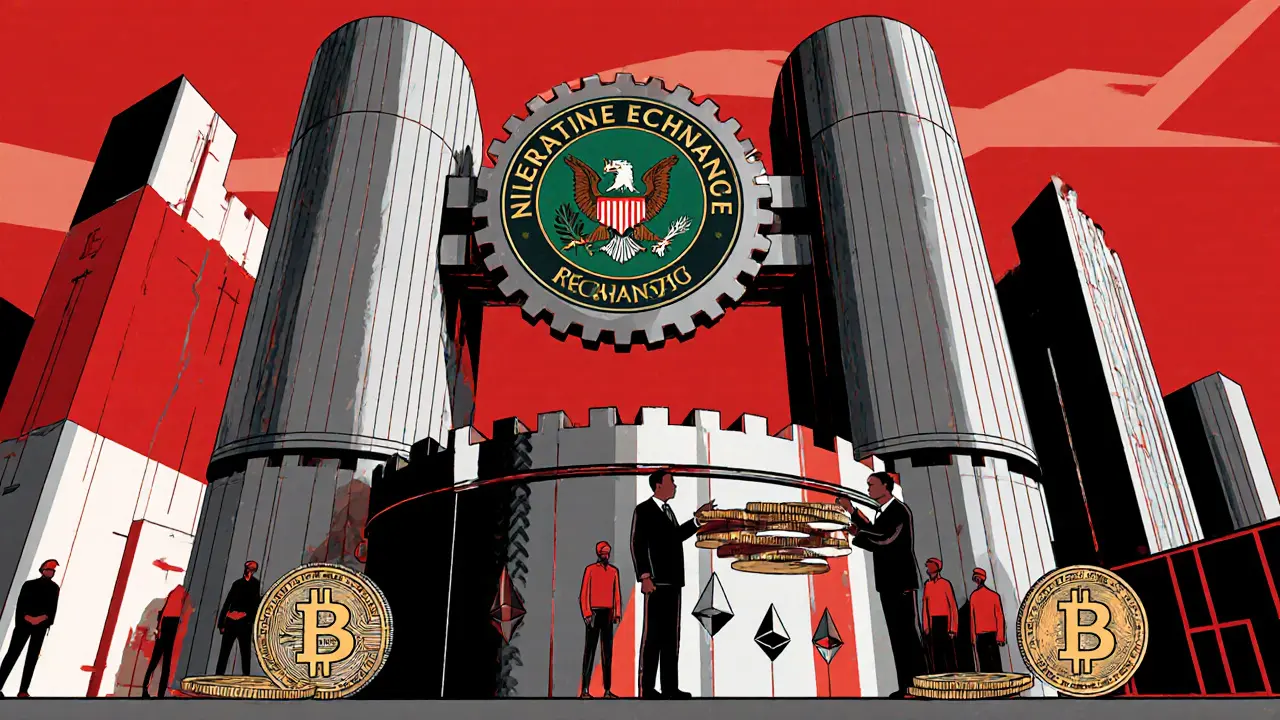
Nigeria's SEC now requires all crypto exchanges to obtain a license under the 2025 Investments and Securities Act. Learn the capital, compliance, and operational rules for legal operation in 2025.
read morePosted by
HELEN Nguyen
0 Comments
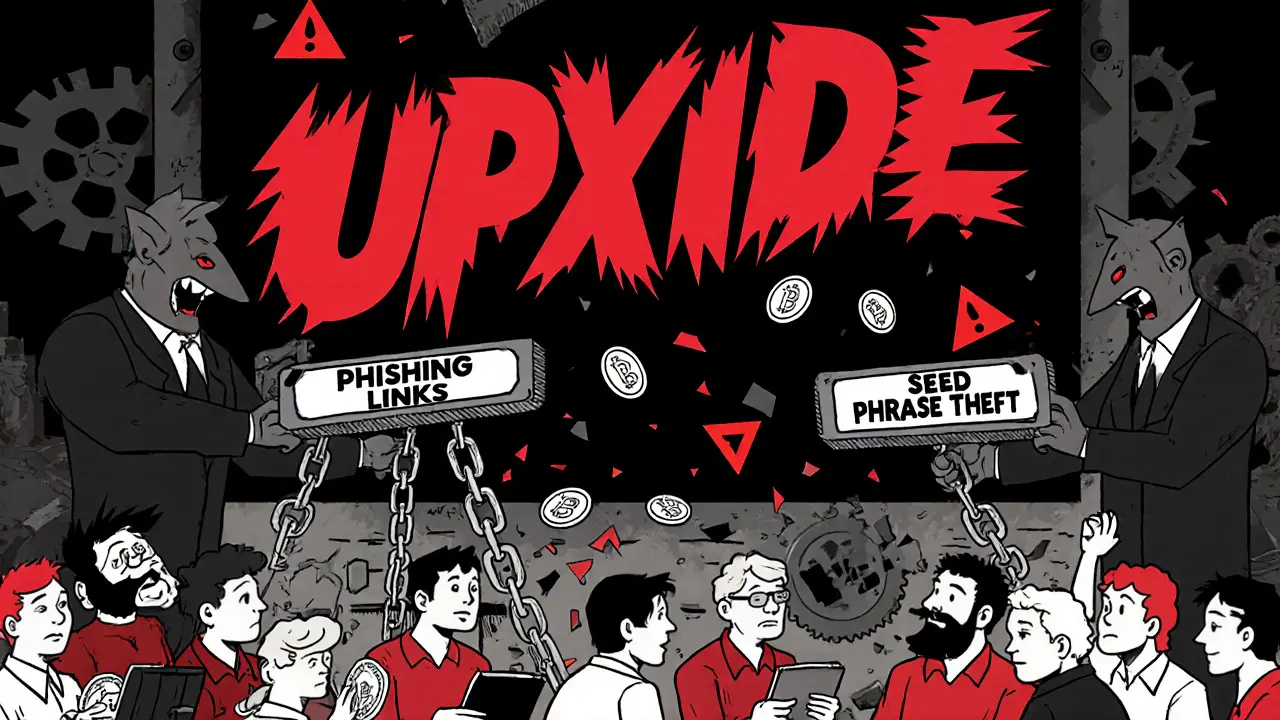
UPXIDE crypto exchange is not real-it's a scam. No official website, audits, or user reviews exist. Learn how to spot fake exchanges and protect your crypto from fraud in 2025.
read morePosted by
HELEN Nguyen
6 Comments
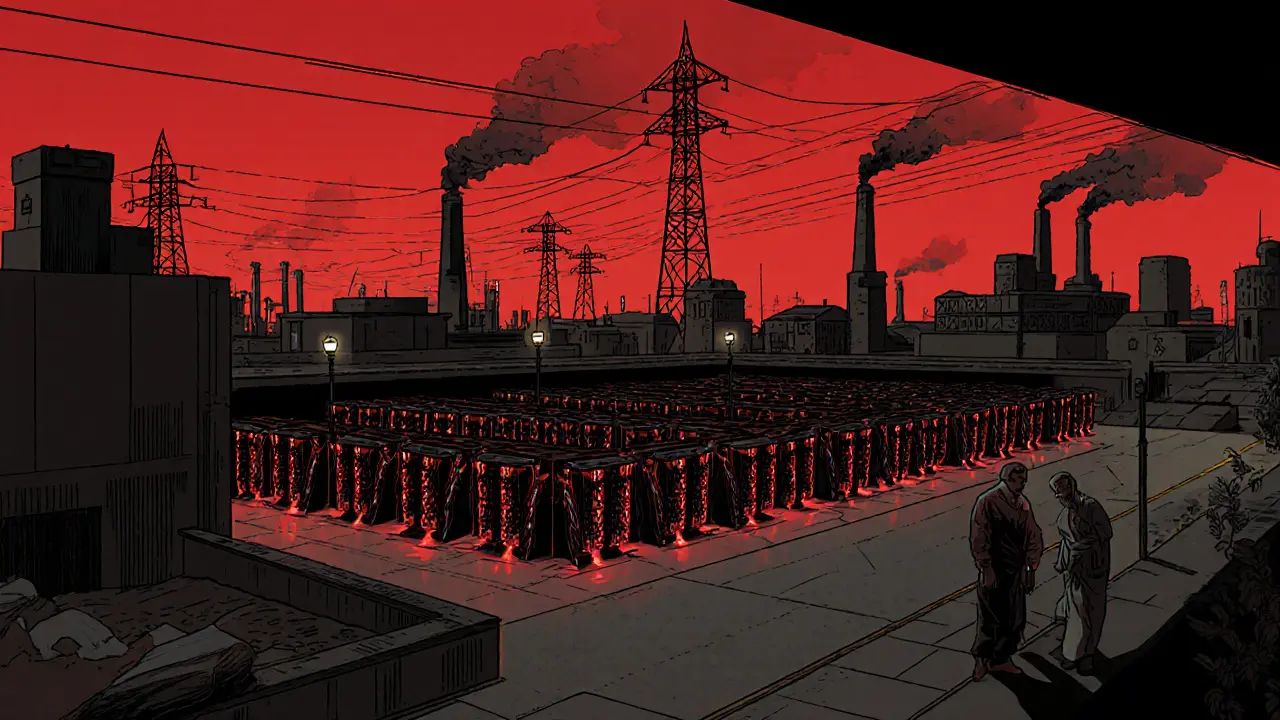
Iran's IRGC runs unlicensed crypto mining operations that steal electricity from citizens, fuel sanctions evasion, and fund regional conflicts. While ordinary Iranians face blackouts, military-linked farms mine Bitcoin 24/7 with no oversight.
read morePosted by
HELEN Nguyen
7 Comments
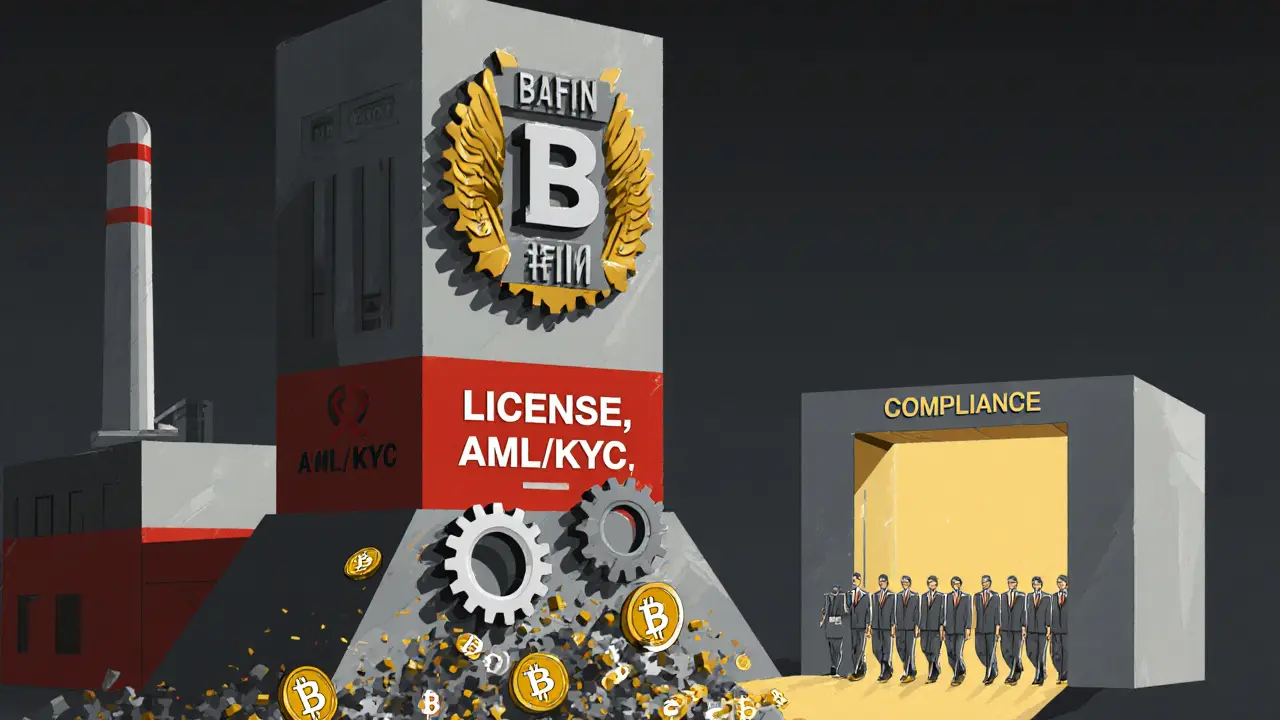
Germany's BaFin enforces strict crypto regulations under MiCAR. Learn what licenses you need, how to comply with AML rules, and what happened in 2025 when unlicensed firms were shut down.
read morePosted by
HELEN Nguyen
7 Comments
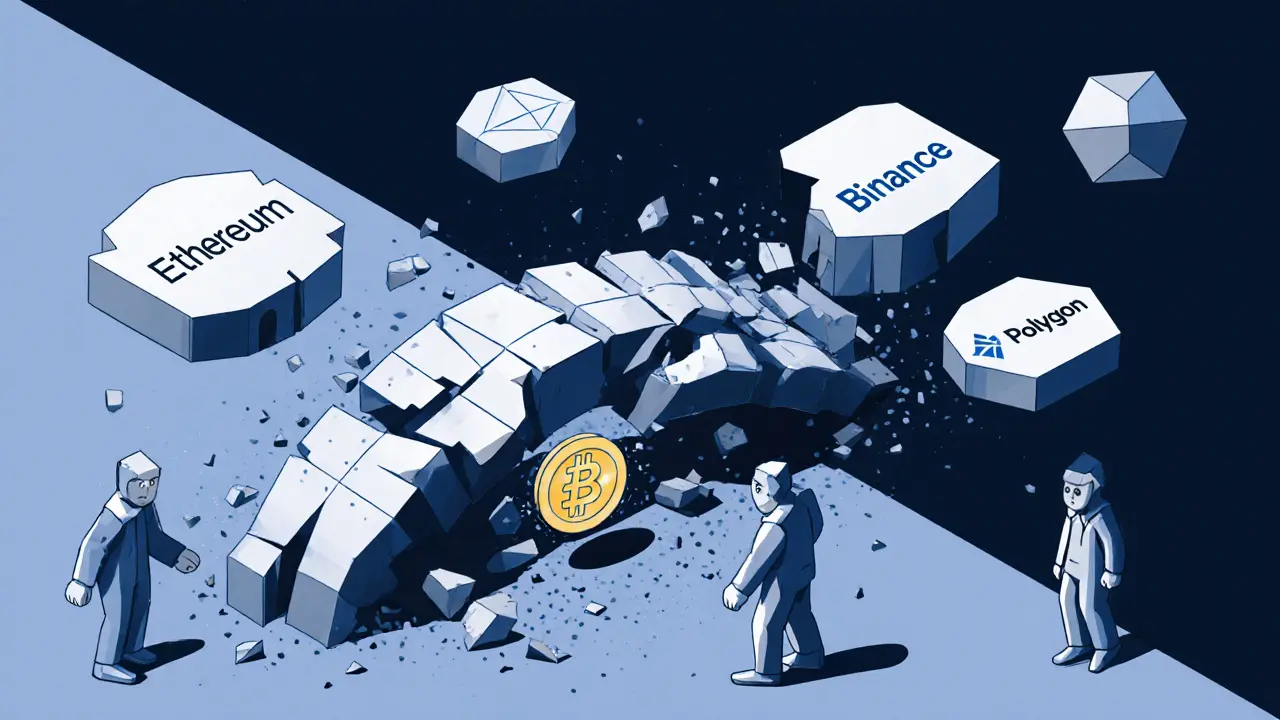
Pontoon (TOON) was a cross-chain crypto project designed to simplify liquidity movement between blockchains. Today, it's nearly worthless, with a market cap under $500 and no active development. Learn why it failed despite raising millions.
read morePosted by
HELEN Nguyen
8 Comments
Pontoon (TOON) was a cross-chain crypto project launched in 2021 that promised easy asset transfers between blockchains. Today, it's dead - with zero activity, no team, and a token worth 99.99% less than its peak. Here's what happened.
read morePosted by
HELEN Nguyen
5 Comments

The MurAll PAINT airdrop gave NFT artists and collectors free tokens in 2020-2021. At its peak, some received over $3,000 worth. Today, PAINT is worth pennies. Here's how it worked - and why it didn't last.
read morePosted by
HELEN Nguyen
9 Comments
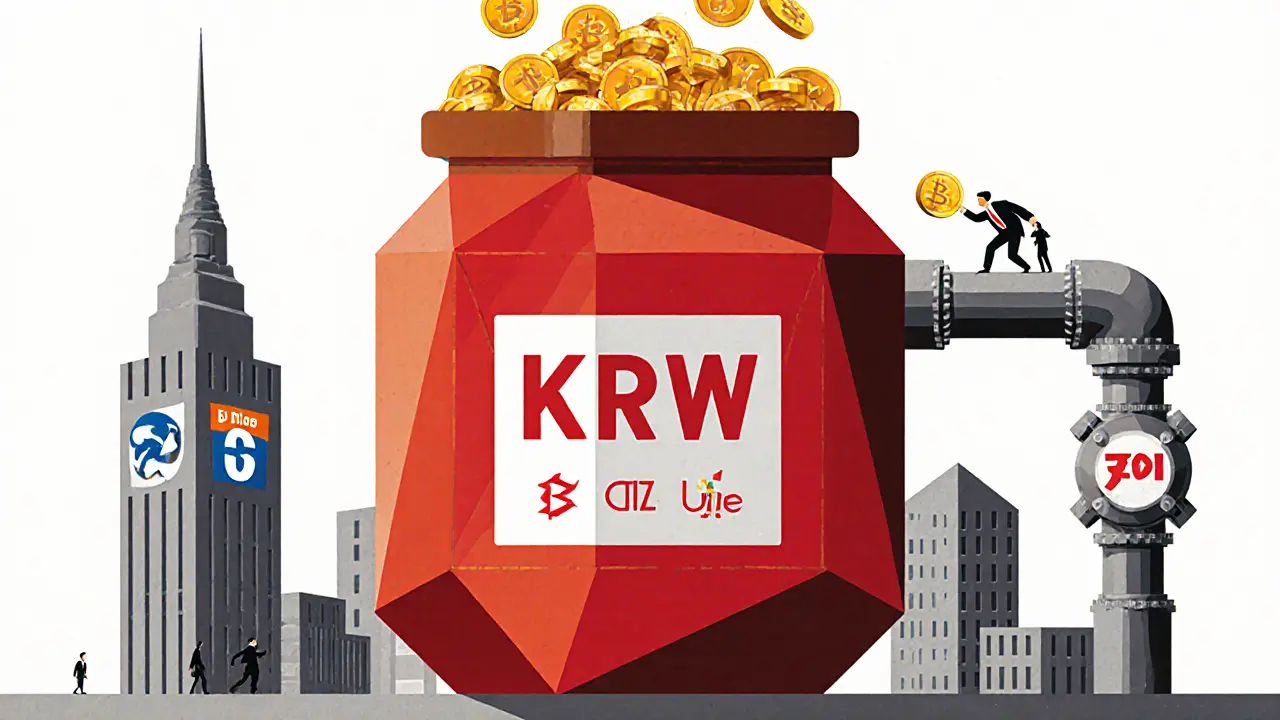
The kimchi premium explains why Bitcoin costs more in South Korea than anywhere else-due to high local demand, strict capital controls, and regulations that block foreign traders. It's not a glitch, it's a market reality.
read more