Crypto Exchange Review: Honest Insights on Platforms That Work and Those That Don’t
When you’re looking for a crypto exchange review, a detailed evaluation of a platform where you buy, sell, or trade digital assets. Also known as cryptocurrency trading platform, it’s not just about fees or speed—it’s about whether your money is safe and the platform will still be around next year. Too many people pick an exchange because it looks flashy or promises high returns. Then they wake up to a frozen account, a vanished platform, or a token worth pennies. The truth? Most crypto exchanges don’t last. Some get shut down by regulators. Others collapse because they were never real to begin with.
Look at what happened to Saturn Network, a decentralized exchange that vanished without warning, leaving users with no access to funds. Or RightBTC, a once-popular platform that disappeared in the early 2020s with no explanation. These aren’t outliers—they’re warnings. And then there’s UPXIDE, a fake exchange with no website, no audits, and zero user reviews. These aren’t just bad reviews—they’re red flags you can’t afford to ignore. A real crypto exchange review doesn’t just list features. It asks: Who runs this? Are they licensed? Have they been investigated? Is the team even real?
Regulation matters. In Australia, AUSTRAC, the government body that tracks financial crime and requires all crypto exchanges to register started cracking down hard in 2026. In Germany, BaFin, the financial regulator that shuts down unlicensed platforms made it clear: no license, no operation. These aren’t just rules—they’re filters. If an exchange ignores them, it’s not innovative—it’s risky. Even decentralized exchanges like Serum DEX, a fast, low-fee platform built on Solana that survived FTX’s collapse only because the community rebuilt it aren’t immune. They can fade away if no one maintains them.
What you’ll find here aren’t generic rankings or sponsored blurbs. These are real stories: exchanges that died, scams that fooled thousands, and a few that actually delivered. You’ll see how Nigerian exchanges had to get licensed under new SEC rules, why Tunisians trade crypto underground, and how the Kimchi Premium made Bitcoin cost more in South Korea than anywhere else. You’ll learn what licenses actually mean, how AML violations can cost millions, and why some tokens vanish overnight. This isn’t theory. It’s what happened—and what you need to know before you trade.
Posted by
HELEN Nguyen
6 Comments
A comprehensive review of Orderly Network, analyzing its omnichain liquidity infrastructure, Orderly One builder tool, and competitive advantages over traditional DEXs.
read morePosted by
HELEN Nguyen
6 Comments
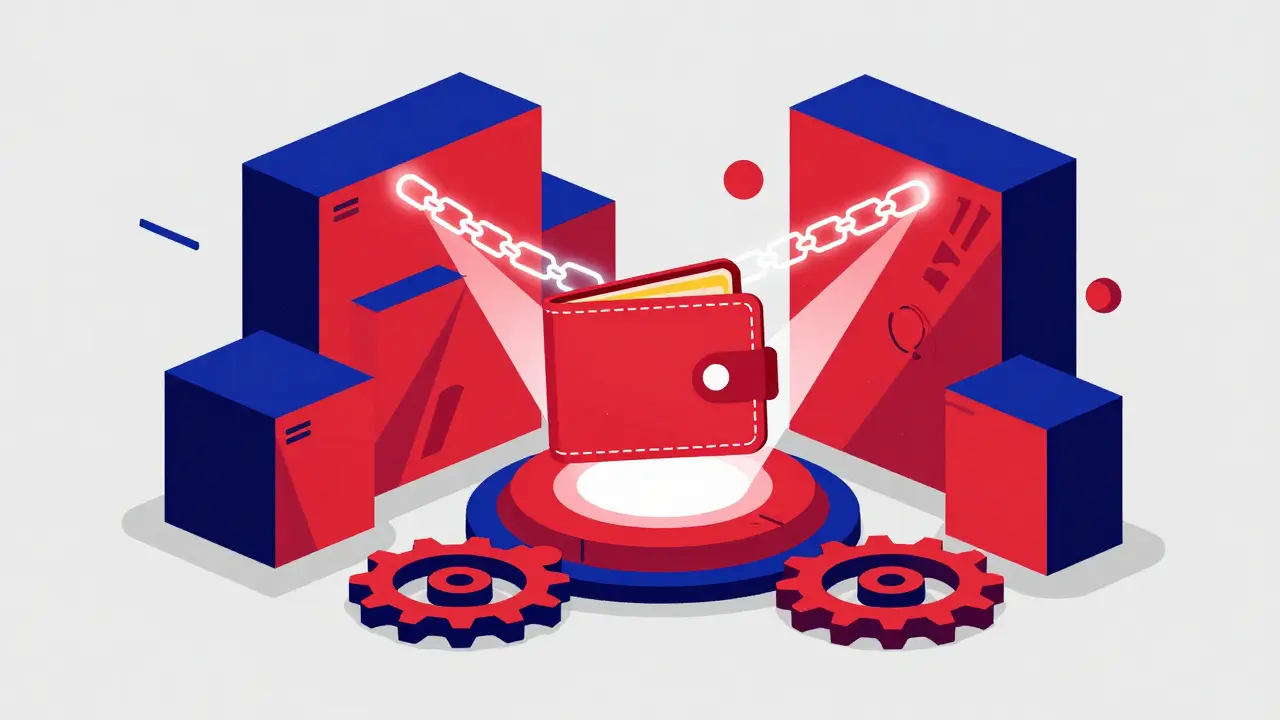
A detailed review of MoonSwap on the Moonriver blockchain, analyzing fees, liquidity, and security compared to Uniswap. Ideal for developers and low-cost traders.
read morePosted by
HELEN Nguyen
8 Comments
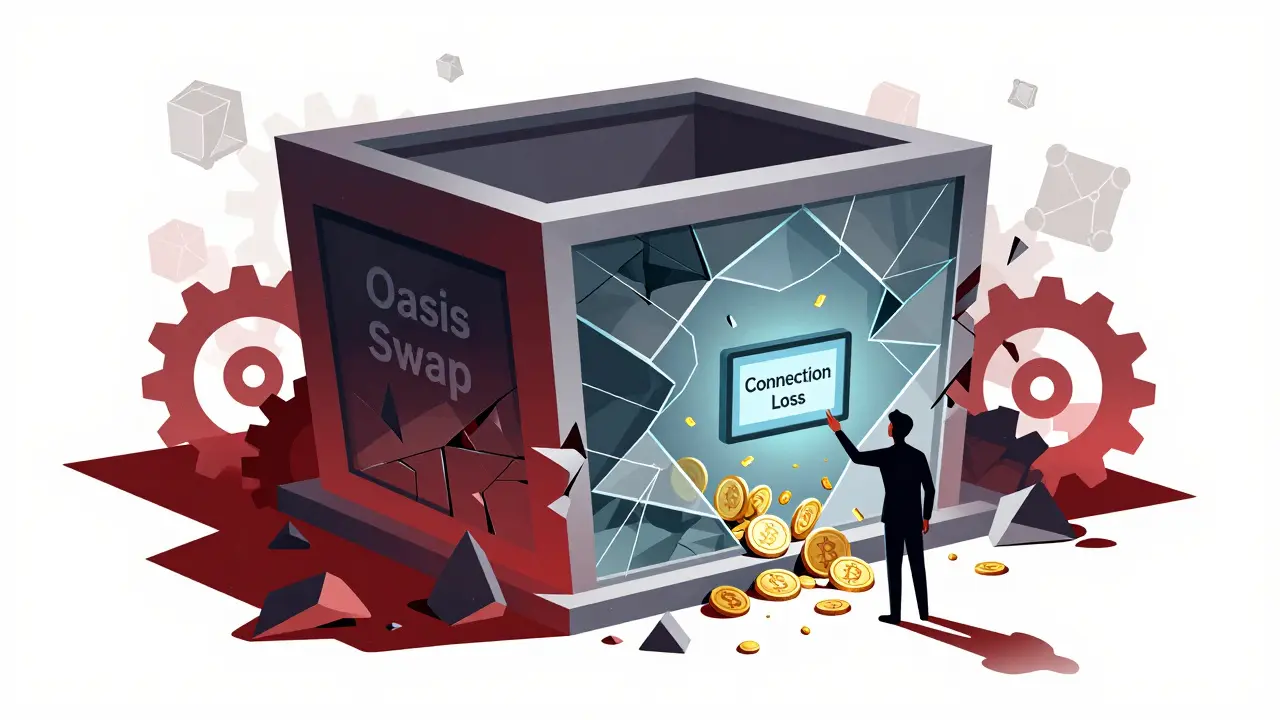
Oasis Swap crypto exchange is no longer operational. Once promoted as a decentralized trading platform, it vanished in 2021 with users unable to withdraw funds. Learn why it failed and how to avoid similar dead exchanges.
read morePosted by
HELEN Nguyen
10 Comments
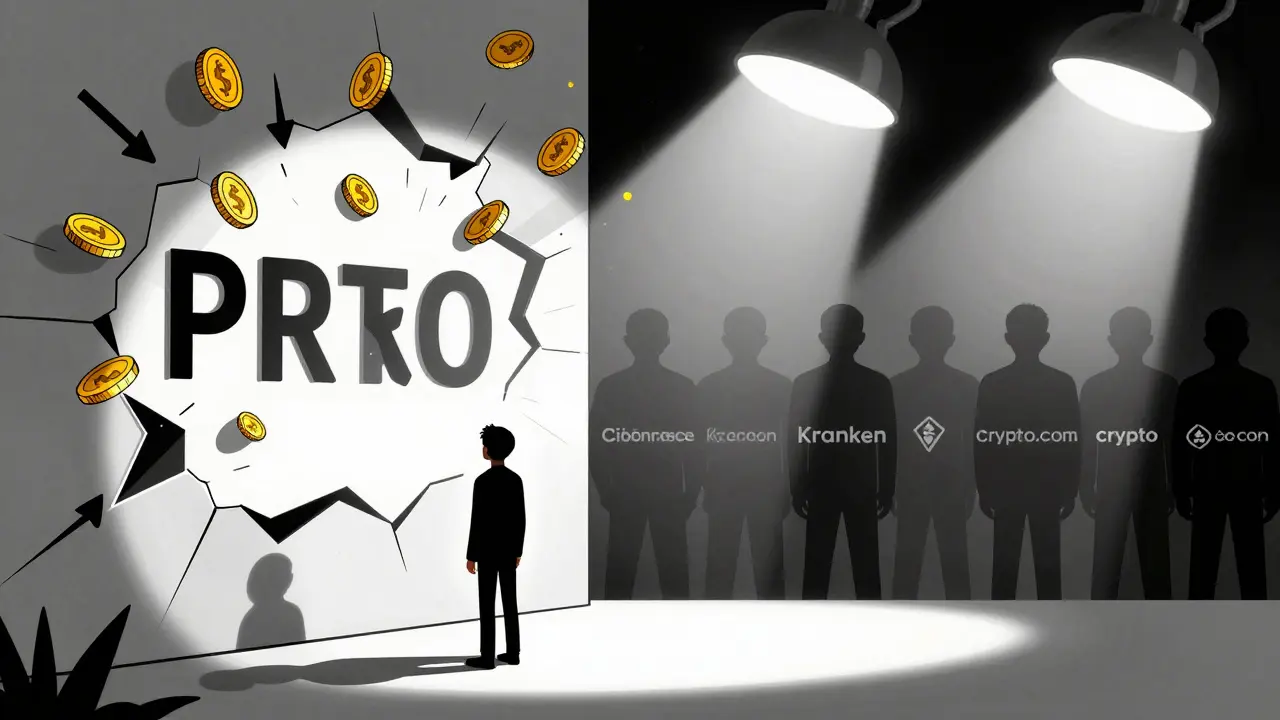
ProtoFi is a niche crypto platform centered on its PROTO token, not a full exchange. Learn about its risks, tax implications, price volatility, and why it doesn't compare to regulated platforms like Coinbase or Kraken.
read morePosted by
HELEN Nguyen
5 Comments
Xevenue crypto exchange is not a legitimate platform. No verified records, audits, or user reviews exist. Learn how to spot fake exchanges and protect your crypto from scams.
read more