Crypto Exchange Safety Checker
This tool helps you determine if a crypto exchange is legitimate or potentially fraudulent based on industry standards and security best practices. Based on the article content about Xevenue, we've built this safety checker to help you avoid similar scams.
Exchange Security Checklist
Safety Results
Complete the checklist above to see if this exchange is legitimate.
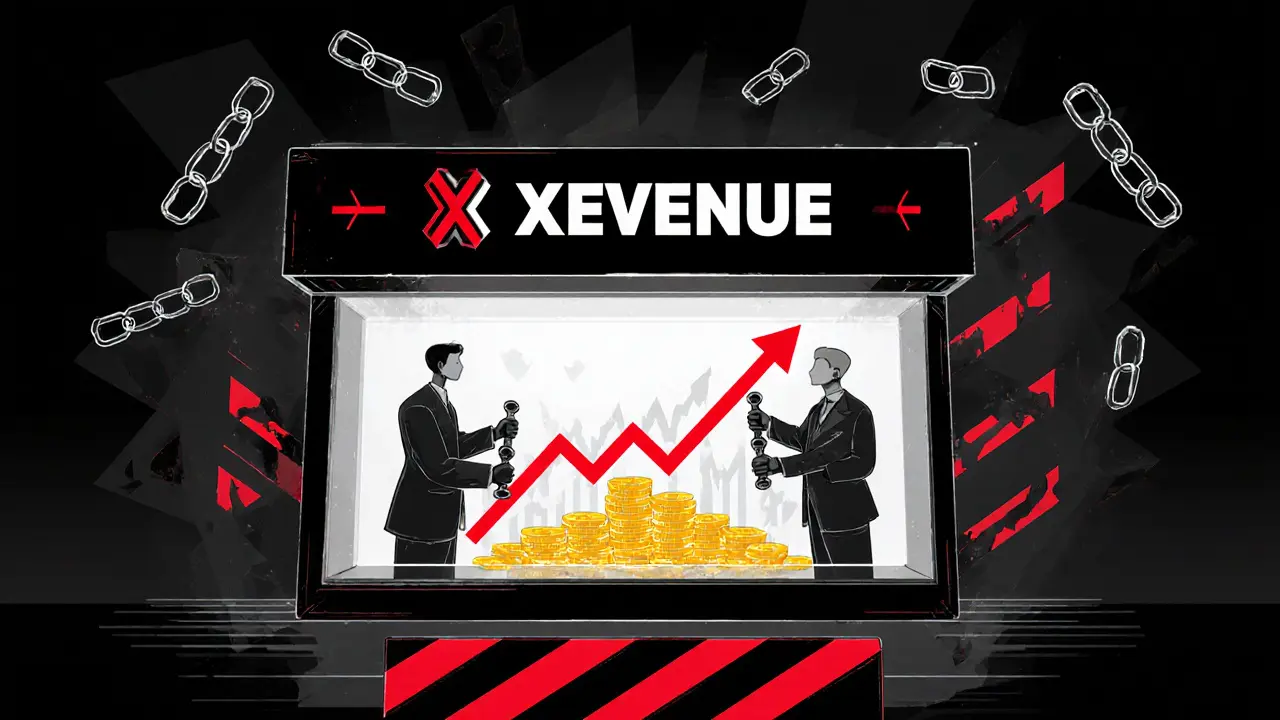
There’s no such thing as a legitimate, well-known crypto exchange called Xevenue. If you’ve come across this name on a website, social media post, or YouTube video promising high returns or low fees, you’re likely being targeted by a scam. No major crypto review site, security firm, or industry database - from CoinGecko to CryptoCompare - lists Xevenue as a real exchange. It doesn’t appear in any regulatory filings, audit reports, or user forums. Not on Trustpilot. Not on Reddit. Not even in the dark corners of Telegram groups where shady platforms usually hide.
That’s not an oversight. It’s a red flag.
Legitimate crypto exchanges like Binance, Coinbase, and Kraken have been around for years. They publish security whitepapers, undergo third-party audits, and are regulated in multiple jurisdictions. They don’t need to rely on flashy ads or influencers to attract users. They earn trust through transparency. Xevenue offers none of that.
What Happens When You Deposit Funds on Xevenue?
Imagine you sign up, verify your email, and deposit $500 in Bitcoin. You see your balance update instantly. It looks real. But here’s the catch: that balance is just a number on a screen. There’s no actual Bitcoin stored in a cold wallet. No insurance. No proof of reserves. The platform could be running on a single server in a rented apartment in a country with no crypto laws.
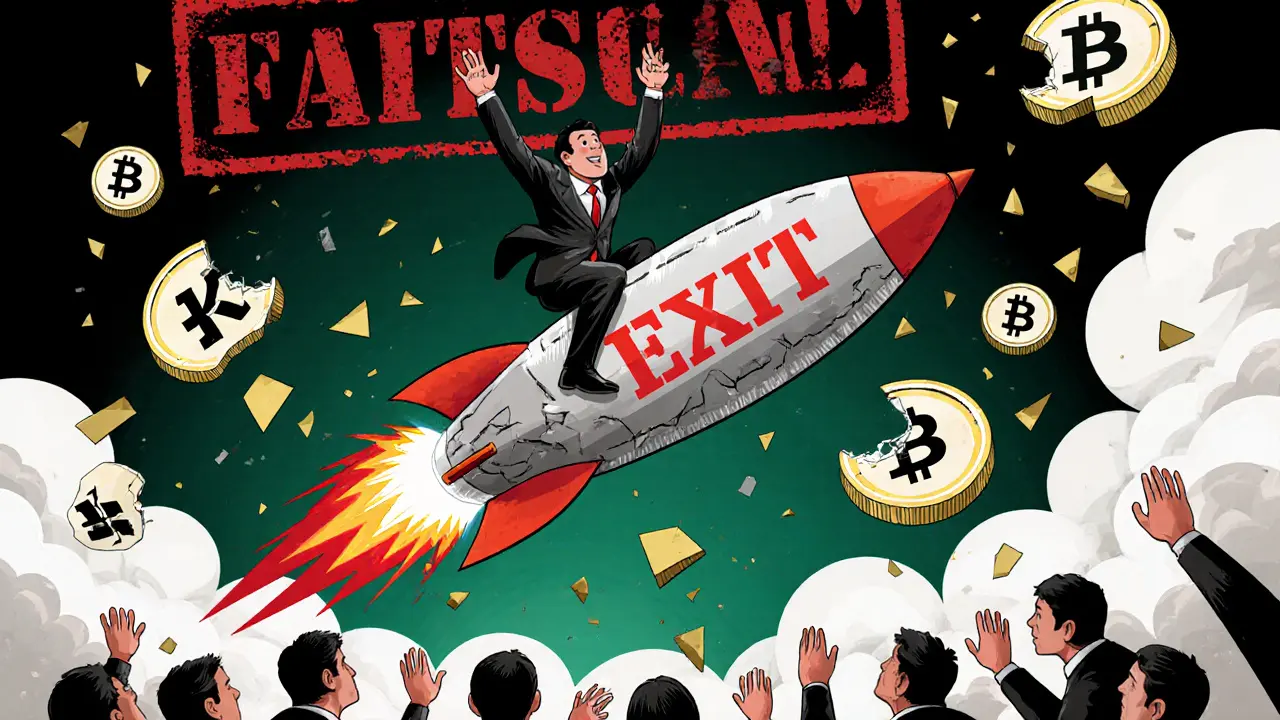
Within days, you might notice withdrawals are slow. Then they stop entirely. Customer support stops replying. The website suddenly redirects to a blank page. That’s not a glitch. That’s how exit scams work. Operators disappear with your money, and you’re left with nothing but a broken link and a drained wallet.
According to Chainalysis, over $3.8 billion was stolen from crypto exchanges in 2022 alone. Most of those losses came from platforms that looked convincing but had zero security infrastructure. Xevenue fits that profile perfectly.
How to Spot a Fake Crypto Exchange
You don’t need to be a tech expert to avoid scams. Here are five clear signs Xevenue (or any similar platform) is fake:
- No verifiable company information - Legitimate exchanges list their legal name, registered address, and license number. Xevenue doesn’t. If you can’t find a company registration in the UK, US, Singapore, or Malta, walk away.
- No two-factor authentication (2FA) - Real exchanges require 2FA using apps like Google Authenticator or Authy. Xevenue might offer SMS codes, which are easily hacked. Or worse - no 2FA at all.
- No cold storage - Top exchanges keep 95% or more of user funds offline. Xevenue doesn’t publish any details about where funds are stored. That’s because they’re likely keeping everything hot - online and vulnerable.
- No proof of reserves - Reputable exchanges regularly publish on-chain audits showing they hold enough assets to cover all user balances. Xevenue offers zero transparency here.
- Too-good-to-be-true offers - “Earn 10% daily!” “Double your crypto in 24 hours!” These are classic scam bait. No legitimate exchange guarantees returns like that.
If you’re unsure, check if the exchange is listed on CryptoCompare or CoinGecko. If it’s not there, it’s not real.
What Security Features Do Real Exchanges Use?
Real platforms don’t just say they’re secure - they prove it. Here’s what they actually do:
- Multi-signature wallets - Require 3-5 private keys to move funds. One person can’t steal everything.
- Role-Based Access Control (RBAC) - Employees only get access to the systems they need. No one has full control.
- DDoS protection - Uses Cloudflare or Akamai to block attacks that try to crash the site.
- Biometric login - Fingerprint or facial recognition for mobile apps.
- Regular third-party audits - Firms like CertiK or Hacken check their code and wallet security every quarter.
- Insurance coverage - Only 8% of exchanges offer full asset insurance, but the top ones do.
These features cost millions to build and maintain. That’s why only about 10% of the 500+ crypto exchanges out there are actually safe. Xevenue doesn’t have the resources, the team, or the track record to implement any of this.

Why Do Scams Like Xevenue Still Exist?
Because they prey on people who don’t know how to check for legitimacy. New crypto users see a sleek website, read fake testimonials, and assume it’s real. They don’t know to look for regulatory licenses or audit reports. They trust the design.
Scammers know this. They spend weeks building websites that look like Binance or Coinbase. They hire actors to post fake reviews. They run YouTube ads with influencers who don’t even use the platform. It’s a business model built on ignorance.
The 2023 industry report from Rapid Innovation found that 92% of secure exchanges use RBAC systems. Only 12% of all exchanges provide proof of reserves. Xevenue does neither. That’s not a coincidence. It’s a pattern.
What Should You Do Instead?
If you want to trade crypto safely, stick to exchanges with a proven history:
- Coinbase - Regulated in the U.S., insured, easy for beginners.
- Binance - Highest volume, advanced tools, but check local regulations.
- Kraken - Strong security, transparent audits, good for traders.
- Bybit - Popular for derivatives, strong anti-fraud systems.
- Bitstamp - One of the oldest, based in Europe, fully compliant.
All of these platforms have:
- Publicly listed company details
- Clear security pages with technical details
- Verified user reviews on independent sites
- History of surviving market crashes and hacks
Don’t gamble with your crypto on a platform that doesn’t even exist on paper.
What to Do If You Already Lost Money to Xevenue
If you deposited funds and now can’t access them:
- Stop sending more money - Don’t fall for the “pay to unlock” scam.
- Document everything - Save screenshots, transaction IDs, emails, and chat logs.
- Report it - File a complaint with your local financial regulator. In the U.S., that’s the FTC. In the EU, contact your national financial authority.
- Warn others - Post your experience on Reddit (r/CryptoCurrency), Trustpilot, or ScamAdviser.
- Don’t hire a recovery service - Most are scams too. They’ll ask for another payment to “recover” your funds.
Recovery is rare. Prevention is everything.
Final Word: Xevenue Is Not a Crypto Exchange
Xevenue isn’t a broken exchange. It’s not a startup with bad luck. It’s a fraud. There’s no technical issue to fix. No update to install. No customer service rep who can help. The entire platform is designed to vanish with your money.
Always assume a crypto platform is fake until proven otherwise. Check its registration. Look for audits. Verify its security features. If it doesn’t have them, it’s not worth the risk.
There are plenty of real exchanges out there. Don’t risk your savings on a name that doesn’t exist in the real world.
Is Xevenue a real crypto exchange?
No, Xevenue is not a real crypto exchange. It does not appear in any industry databases, regulatory filings, or security audits. No reputable source lists it as operational. It is likely a scam platform designed to steal user funds.
Why can’t I find Xevenue on CoinGecko or CryptoCompare?
Because Xevenue doesn’t meet the basic criteria to be listed. These platforms only include exchanges that are operational, transparent, and verified. Xevenue lacks a legal entity, security infrastructure, and public audits - all required for inclusion.
Does Xevenue offer cold storage for user funds?
There is no evidence Xevenue uses cold storage. Legitimate exchanges publish details about their wallet security, including the percentage of funds stored offline. Xevenue provides no such information, which strongly suggests it keeps all funds online - making them vulnerable to theft.
Can I get my money back if I deposited into Xevenue?
Recovery is extremely unlikely. Once a scam platform disappears, the operators vanish with the funds. Your best action is to report the incident to authorities and warn others. Avoid "fund recovery" services - they’re often scams too.
What are the safest crypto exchanges to use instead?
Stick with well-established, regulated platforms like Coinbase, Kraken, Binance (where available), Bitstamp, and Bybit. These exchanges publish security reports, undergo third-party audits, and have a proven track record of protecting user assets.
Comments
Ankit Varshney
I saw a YouTube ad for Xevenue last week. Thought it was too good to be true but didn’t realize how deep the scam went. This post laid it all out like a forensic report. Thanks for the clarity. I unsubscribed from that influencer immediately.
November 29, 2025 at 13:11
Ziv Kruger
There’s a quiet horror in how effortlessly these scams replicate legitimacy. The fonts. The buttons. The fake testimonials. They don’t trick the mind - they trick the muscle memory. We’ve been trained to trust sleek interfaces. That’s not security. That’s social engineering dressed in UI/UX.
And the worst part? The people who lose money aren’t dumb. They’re just tired. They want to believe. They’ve been told crypto is the future. So they reach for the shiny thing. And the sharks know it.
We don’t need more warnings. We need better education that doesn’t sound like a lecture from a bank teller.
November 30, 2025 at 11:19
Heather Hartman
Just wanted to say thank you for writing this. I’m new to crypto and was about to sign up for something that looked like Xevenue - I almost did. Your breakdown of red flags was exactly what I needed. I’m now checking every exchange on CoinGecko before even clicking ‘Sign Up.’ You saved me from a nightmare.
November 30, 2025 at 21:40
Catherine Williams
Let me tell you about my cousin. He lost $12k to a platform just like this. Said the site looked ‘professional.’ Said the support chat replied fast. Said the ‘live trader’ on Discord was super helpful.
Turns out the Discord was run by bots. The support replies were copied from a template. The ‘live trader’ was a pre-recorded video loop.
He’s still ashamed to talk about it. That’s the real damage - not the money. It’s the shame. The feeling you’re stupid for falling for it.
So if you’re reading this and you’ve been scammed - you’re not alone. And you’re not dumb. They’re just really, really good at pretending to be real.
December 1, 2025 at 07:09
Paul McNair
As someone who’s lived in five countries and traded across six exchanges, I can say this: the ones that survive are the ones that treat security like oxygen - invisible until it’s gone.
Xevenue isn’t just fake. It’s lazy. Real exchanges spend millions on audits, legal teams, and infrastructure. This? A WordPress theme and a fake LinkedIn page. That’s not a startup. That’s a crime scene waiting to happen.
And if you’re thinking ‘But what if it’s legit?’ - ask yourself: if it were real, why wouldn’t it be on CoinGecko? Why wouldn’t it have a .com domain registered under a real company? Why wouldn’t it have a single honest review anywhere?
The answer is simple: it doesn’t exist. And that’s the only fact you need.
December 2, 2025 at 12:45