Crypto Regulations and Exchange Risks in 2025: What You Need to Know
When dealing with crypto regulations, government rules that control how digital assets are traded, taxed, and monitored. Also known as digital asset laws, they now shape who can trade, where, and under what conditions. In 2025, these rules stopped being optional. From Australia’s AUSTRAC deadlines to Germany’s BaFin crackdowns, and Nigeria’s new licensing laws, the era of loose oversight ended. If you ran a crypto business, you had to register. If you traded, you had to report. And if you ignored it, you risked fines up to $500 million—or jail.
Crypto exchange, a platform where users buy, sell, or trade digital currencies. Also known as crypto trading platforms, it’s where most people enter the market—but 2025 exposed how many were fake. Crex24, Xevenue, UPXIDE, Saturn Network, RightBTC—they all vanished or got flagged as scams. Meanwhile, regulated names like Binance and Coinbase stayed standing. Users learned the hard way: if an exchange doesn’t publish audits, has no customer support, or hides its team, it’s not a platform—it’s a trap. And with withdrawal fees soaring and zero transparency, even some "legit" exchanges became risky.
AML penalties, fines and criminal charges for failing to prevent money laundering in crypto. Also known as anti-money laundering enforcement, they hit harder than ever in 2025. Banks, casinos, and crypto firms got hit with record fines. Executives went to prison. Even casual traders in the U.S. had to file FBAR forms if they held over $10,000 overseas. Meanwhile, countries like the UAE offered tax-free crypto trading, but only if you stayed compliant. It wasn’t about avoiding taxes anymore—it was about proving you weren’t laundering them.
And then there were the airdrops. FLY, PAINT, BRKL, UVT—they looked like free money. But most turned out to be ghost projects. Tokens with no team, no users, no future. One token dropped 99.99% in value. Another had a wallet nobody used. People chased hype, not utility. Meanwhile, Base’s upcoming token airdrop in 2026 taught a new lesson: only active users on real apps qualify. Not sign-ups. Not social media posts. Real usage.
Underground trading thrived in Tunisia and Iran, where people risked arrest just to bypass bank blocks. In Pakistan, crypto adoption soared—not because people were speculating, but because inflation made local currency worthless. And in South Korea, Bitcoin cost 20% more than anywhere else, thanks to the kimchi premium. These weren’t anomalies. They were symptoms of a fractured global system.
Behind it all, the tech kept moving. Bitcoin’s ECDSA cryptography was under threat from quantum computers. Shentu and PolySwarm offered real security tools—not just tokens. Sidechains like Polygon made transactions faster. But none of that mattered if your exchange shut down or your government banned you.
This archive pulls together every hard lesson from late 2025: the scams, the rules, the dead tokens, the hidden risks, and the few real opportunities still standing. You won’t find fluff here. Just what happened, why it matters, and how to avoid the same mistakes next time.
Posted by
HELEN Nguyen
0 Comments
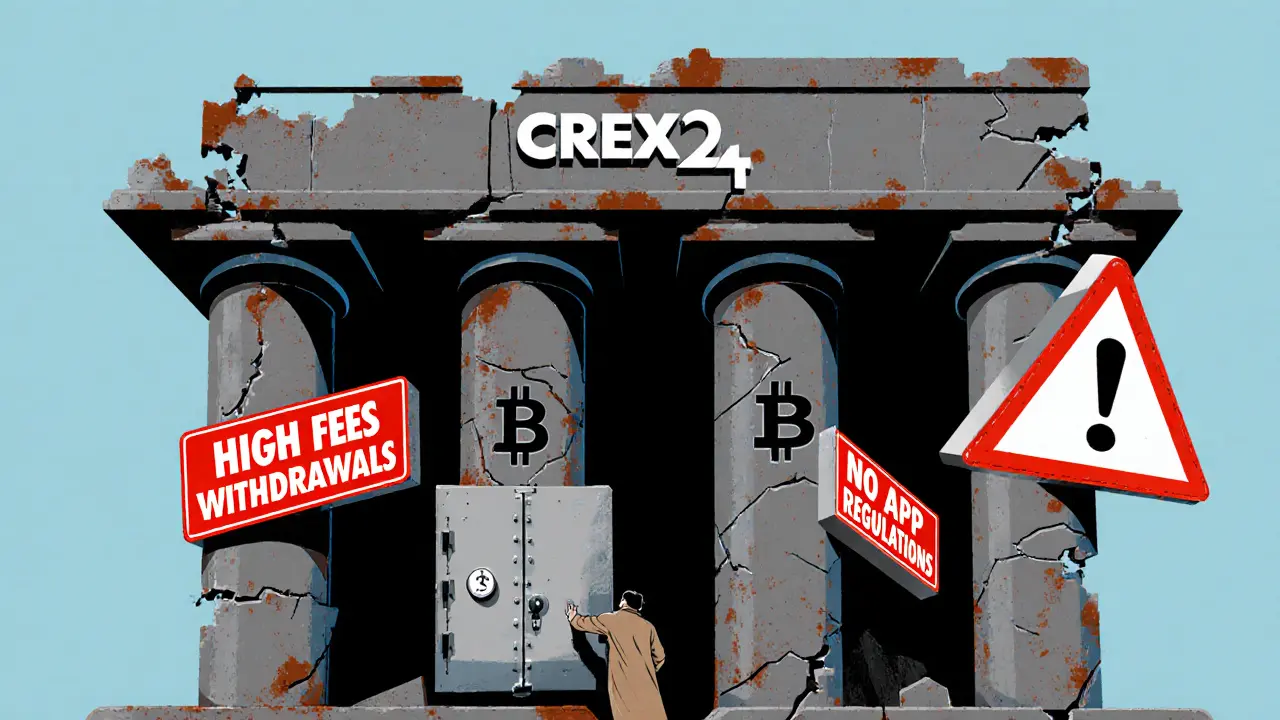
Crex24 claims to be a user-friendly crypto exchange, but serious red flags-including high withdrawal fees, no management transparency, and scam allegations since 2022-make it unsafe. Stick with regulated platforms like Binance or Coinbase instead.
read morePosted by
HELEN Nguyen
6 Comments
The UAE offers zero tax on crypto trading, staking, and mining for individuals in 2025, making it one of the world’s top destinations for crypto investors. Learn how to benefit legally and avoid upcoming compliance changes.
read morePosted by
HELEN Nguyen
0 Comments
IconTown is a community-driven crypto hub offering clear guides, market insights, and vetted airdrops for all experience levels. Learn, track, and grow with trusted crypto resources.
read morePosted by
HELEN Nguyen
0 Comments
Terms of Service for IconTown, a crypto information hub offering guides, market insights, and airdrop opportunities. Read our legal terms for using our informational website.
read morePosted by
HELEN Nguyen
0 Comments
IconTown's Privacy Policy explains data collection practices on our crypto education blog. We use cookies and analytics but don't store personal data. CCPA compliant.
read morePosted by
HELEN Nguyen
0 Comments
IconTown complies with the California Consumer Privacy Act (CCPA/CPRA). Learn your rights to know, delete, and opt-out of data sharing, and how to exercise them on our crypto information site.
read morePosted by
HELEN Nguyen
0 Comments
Contact IconTown for questions about crypto guides, airdrops, exchanges, or blockchain insights. Reach out to Helen Nguyen at [email protected].
read morePosted by
HELEN Nguyen
5 Comments
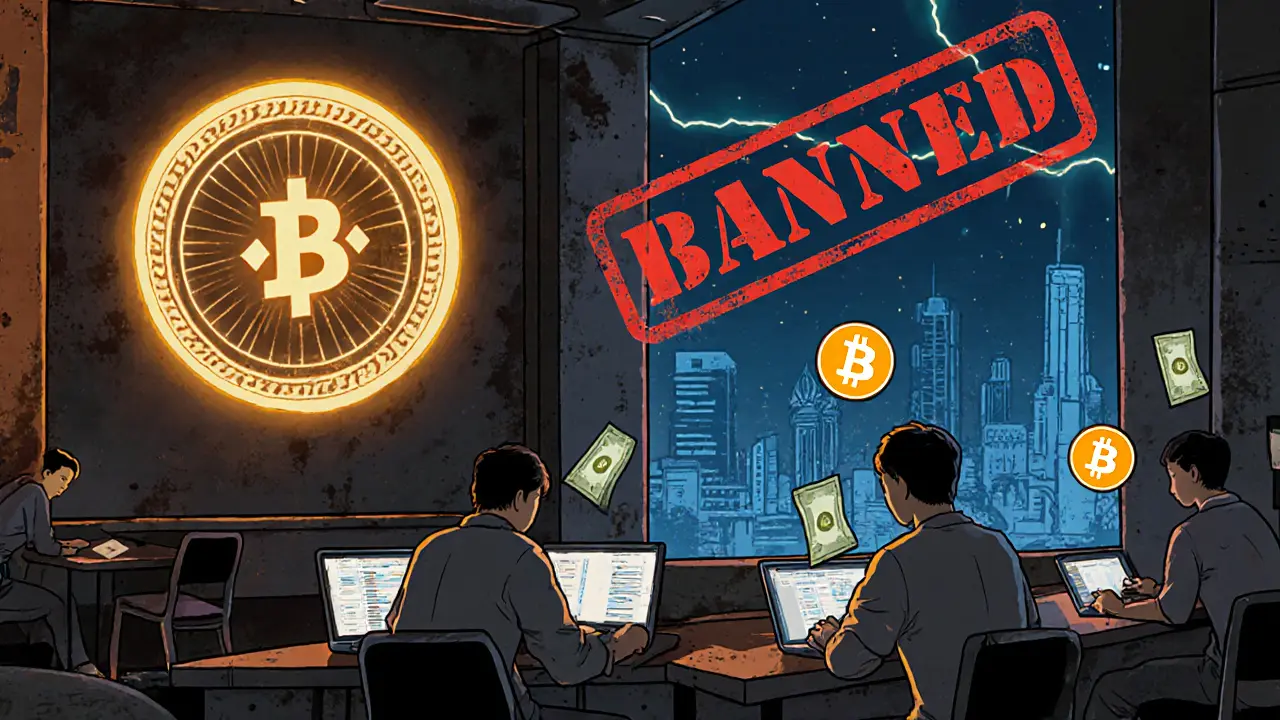
Despite a total ban since 2018, underground crypto trading thrives in Tunisia through VPNs and peer-to-peer platforms. Traders use Bitcoin, USDT, and cash workarounds to bypass bank blocks-risking arrest but gaining financial freedom.
read morePosted by
HELEN Nguyen
5 Comments
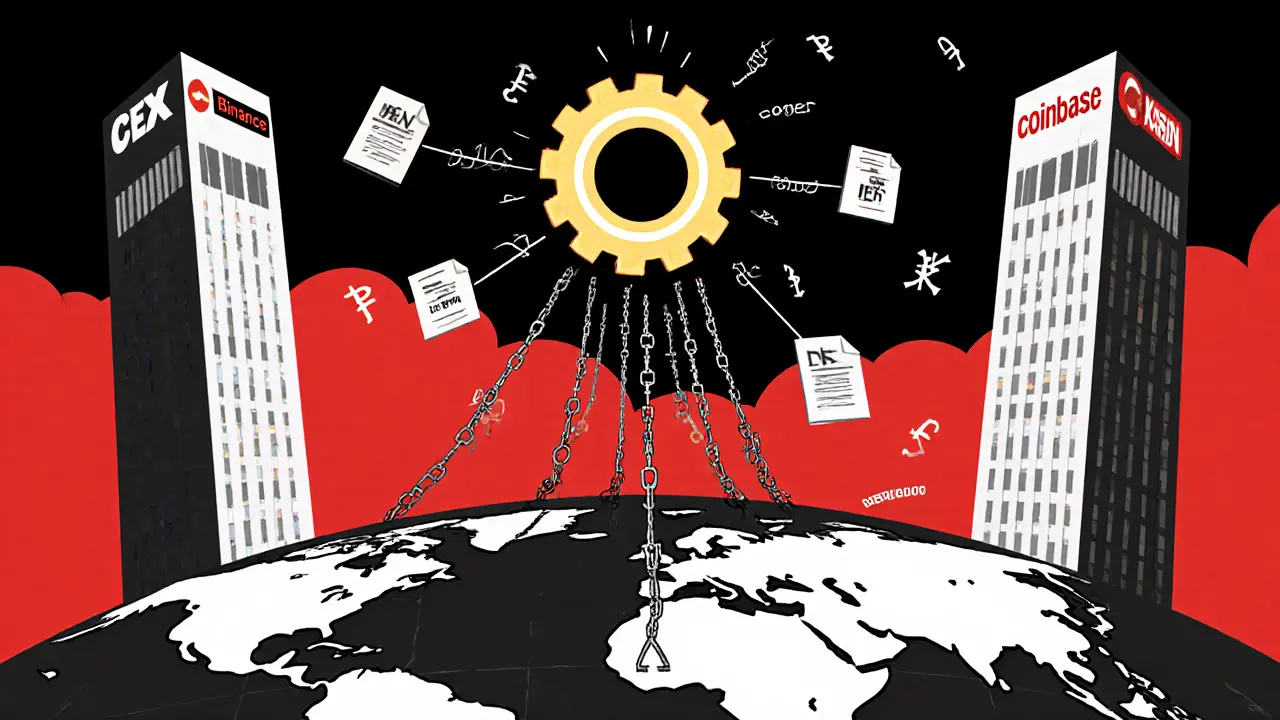
CEXs block users by country due to regulations, while DEXs let you trade anonymously-but that’s changing. Learn how geography shapes your crypto access, from KYC rules to emerging DEX restrictions.
read more