Tunisian Crypto Trading Risk Calculator
Understand Your Risk Level
This tool estimates your legal and financial risk when trading cryptocurrency in Tunisia based on your trading activity. Note: All crypto trading in Tunisia is currently illegal, but this calculator helps you understand the relative risk of different approaches.
This is a general estimate based on current enforcement practices. Actual risk varies based on many factors including bank monitoring systems and police resources.
Safety Recommendations
- Use a reliable VPN with kill switch
- Never link your identity to transactions
- Use cash transactions where possible
- Keep trading history offline
- Consider using third-party accounts abroad for larger amounts
Why this matters
Trading crypto in Tunisia carries serious risks. In 2021, a 17-year-old was jailed for helping friends buy Bitcoin. Account freezes can last weeks or months. While the government may legalize crypto someday, current enforcement remains strict.
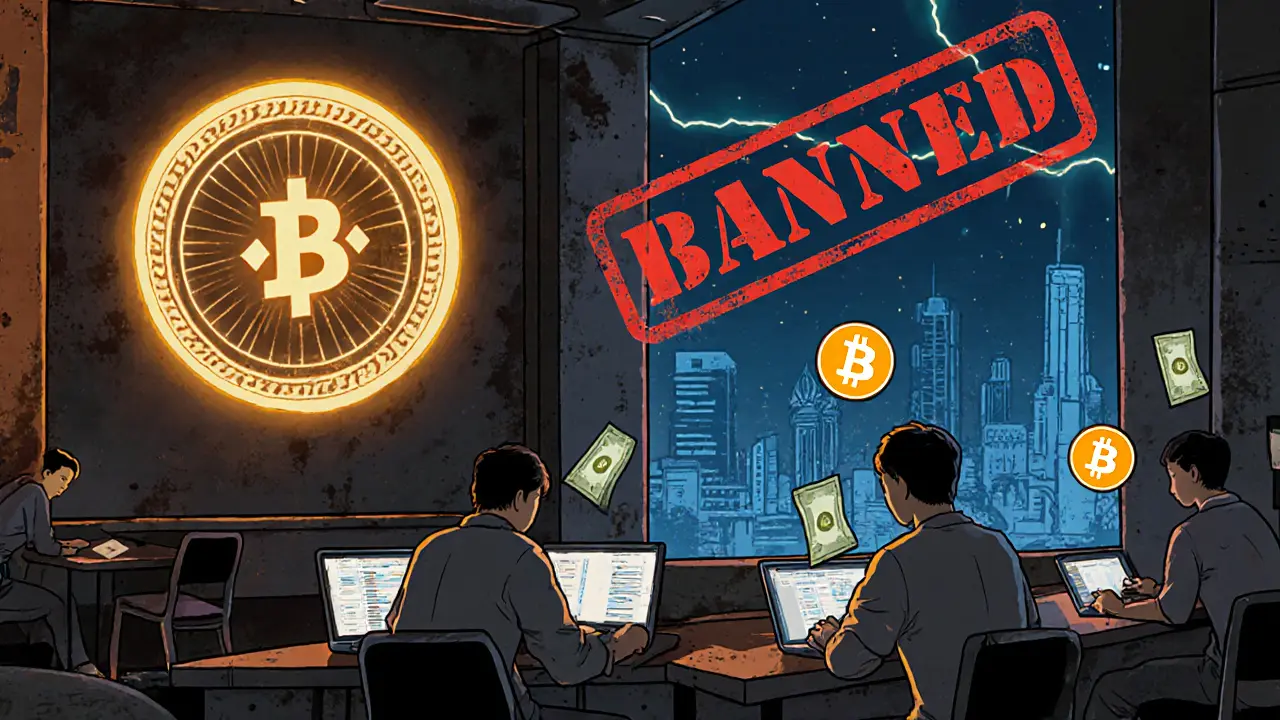
When the Central Bank of Tunisia banned all cryptocurrency transactions in May 2018, most people assumed it would kill crypto dead. Instead, it sparked a quiet revolution. Today, thousands of Tunisians trade Bitcoin, Ethereum, and USDT every day-using VPNs, cash meetups, and international P2P platforms-all while risking arrest. This isn’t some fringe activity. It’s a fully functioning underground economy, born from frustration, tech-savviness, and the simple need to access global finance.
How the Ban Backfired
The Central Bank of Tunisia (BCT) didn’t just discourage crypto-it made it illegal. Any buying, selling, or holding of digital currencies became a criminal offense. Banks were ordered to freeze accounts linked to crypto transactions. Exchanges were blocked. Even searching for crypto websites could trigger red flags. But here’s the twist: the ban didn’t stop trading. It just pushed it underground. People didn’t give up. They got smarter. They started using Virtual Private Networks (VPNs) to bypass government firewalls that block Binance, KuCoin, and OKX. They switched to peer-to-peer (P2P) trading, where buyers and sellers connect directly without a central exchange. No bank account needed. No government oversight. Just two people, a VPN, and a WhatsApp group. Bitcoin became the most popular choice-not because it’s flashy, but because it’s easy to move across borders. USDT (Tether) is a close second. It’s stable, so traders use it to avoid Bitcoin’s wild price swings while still bypassing the Tunisian Dinar’s inflation. Ethereum is growing fast too, especially among younger traders who want to experiment with DeFi and NFTs.The Tools of the Trade
You won’t find a licensed crypto exchange in Tunisia. None. Not one. So traders rely entirely on international platforms that don’t require local registration. Binance P2P is the most used. LocalBitcoins still has a small but loyal user base. Others like MEXC, Gate.io, and Nexo are common too. These platforms let you trade directly with someone in another country using bank transfers, cash deposits, or even mobile money. But here’s the catch: Tunisian banks block any transaction that looks even remotely like crypto. If you deposit money from a P2P trade, your account gets frozen. Sometimes for weeks. Sometimes permanently. So traders developed workarounds. Some use cash couriers-people who physically carry money between buyers and sellers in public places like cafés or parks. Others deposit cash into third-party accounts, often held by friends or family abroad. A few even use hawala-style informal networks, where money moves through trusted intermediaries without ever touching a bank. The most common method? Buying USDT from a trader in Turkey or Egypt, then selling it locally for Tunisian Dinars in cash. It’s slow. It’s risky. But it works.Legal Risks Are Real
In 2021, a 17-year-old boy was jailed for running a small crypto exchange from his bedroom. He wasn’t laundering money. He wasn’t scamming people. He just helped friends buy Bitcoin. He spent six months in jail. That case made headlines. It scared a lot of people. But it didn’t stop the trade. The government monitors bank transactions closely. If you send money to a known crypto wallet address-even accidentally-you could get flagged. Banks use automated systems that look for patterns: rapid deposits and withdrawals, transfers to foreign exchanges, frequent small transactions. Once flagged, you’re not just risking your account-you’re risking your freedom. There’s no official public record of how many people have been arrested, but court documents and human rights reports confirm dozens of cases since 2018. Most involve young men under 30. Many are students or recent graduates. They’re not criminals. They’re just trying to protect their savings from inflation or send money to family abroad.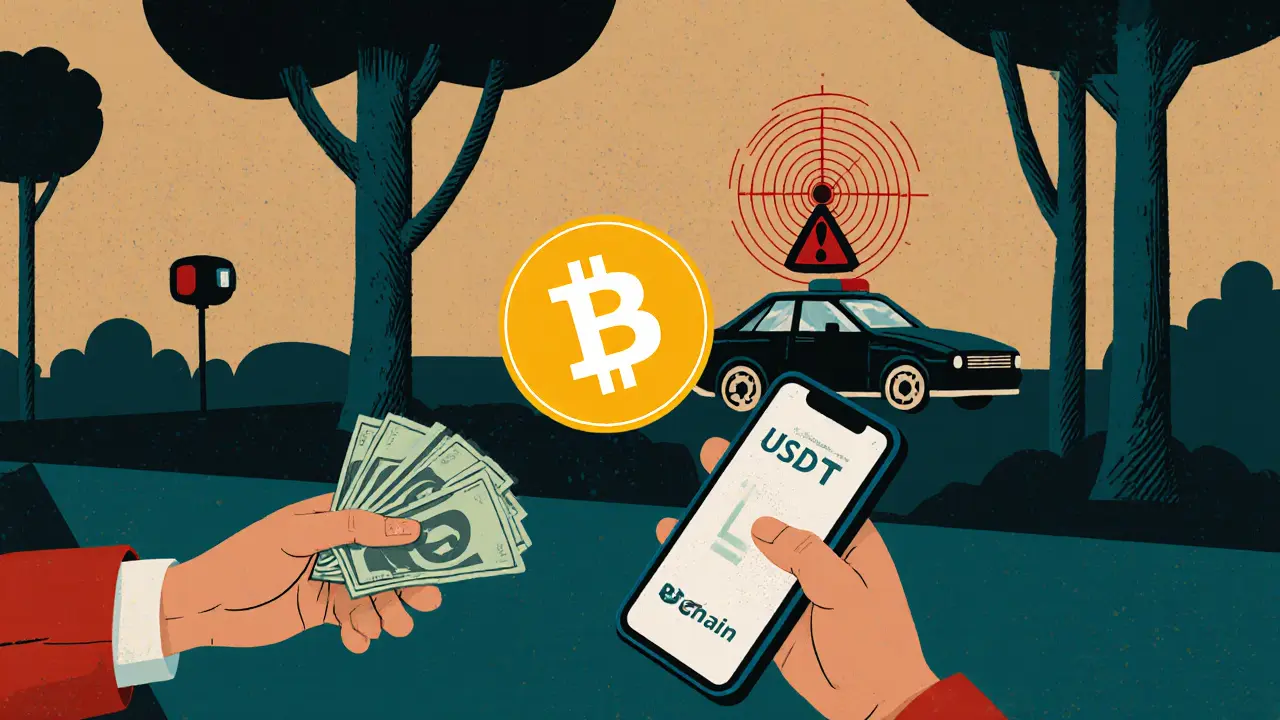
Why the Government Can’t Stop It
Here’s the irony: while citizens are being prosecuted, the government is quietly building its own blockchain system. Poste Tunisienne, the national postal service, is developing a blockchain-based payment platform. The Central Bank is researching a Central Bank Digital Currency (CBDC). Tech startups in Tunis and Sfax are working on blockchain applications for supply chains and digital IDs. The state wants blockchain technology. It just doesn’t want decentralized crypto. That contradiction is glaring. It’s like banning smartphones but letting people use the internet on landlines. The truth? Enforcement is patchy. Police don’t have the resources to track every crypto transaction. Many officers don’t even understand how Bitcoin works. So while the law is strict, the reality is messy. Some traders operate openly in online forums. Others meet in person with no fear. The underground market is too big, too decentralized, and too well-connected to shut down.Who’s Leaving-and Who’s Staying
One of the biggest costs of the ban isn’t jail time. It’s brain drain. Tech talent is leaving. Entrepreneurs who built crypto-related apps in Tunisia are moving to Canada, Switzerland, and Georgia. They take their skills, their ideas, and their future tax contributions with them. Those who stay? They adapt. Some focus on blockchain tech that doesn’t involve crypto-like tracking agricultural supply chains or securing voting systems. Others become crypto educators, teaching others how to use VPNs safely or how to avoid bank detection. A few even run small training programs for women in rural areas, helping them use crypto to sell handmade goods internationally. It’s not glamorous. But it’s survival.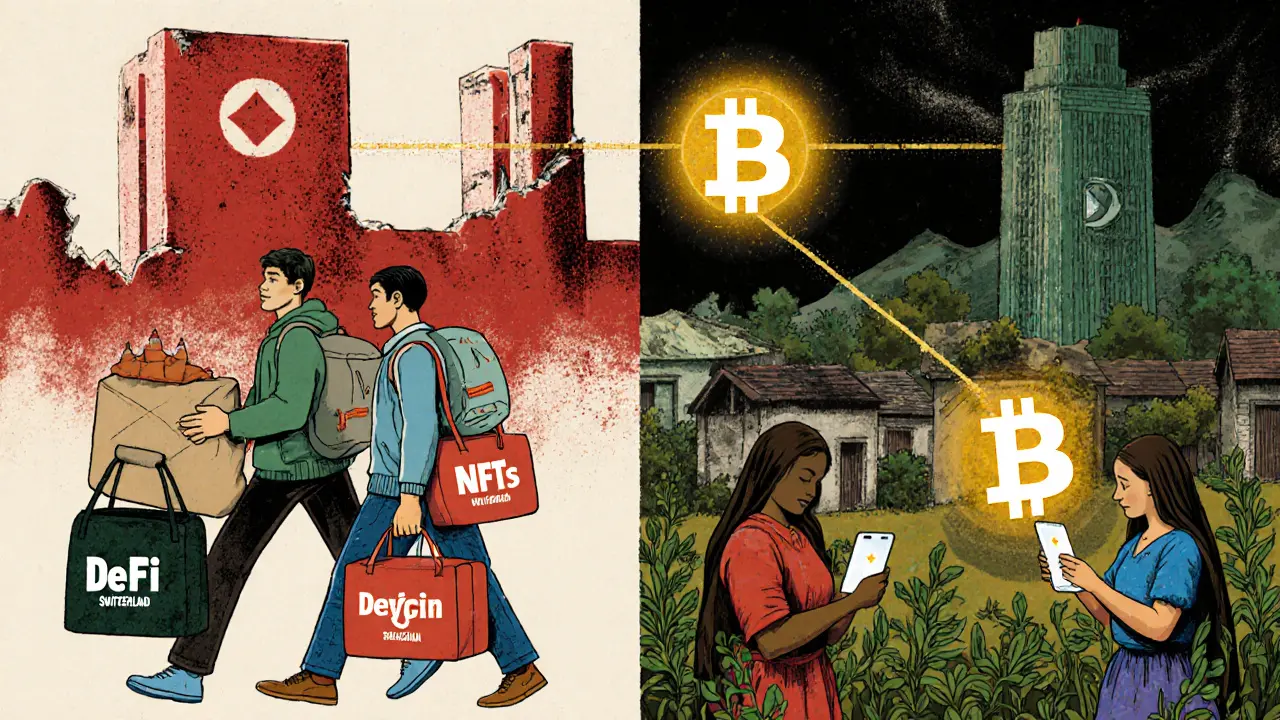
Change Is Coming-But When?
There are signs the government is reconsidering. In late 2024, a parliamentary committee began drafting a bill to decriminalize personal crypto ownership. The proposed law would allow individuals to hold and trade crypto under a licensing framework, similar to what Rwanda and Nigeria have done. It would also create a path for local exchanges to operate legally-if they meet strict AML and KYC rules. The Central Bank of Tunisia has signaled openness to fintech innovation. It’s already issued licenses to digital payment providers. It’s testing a CBDC. These aren’t small steps. They suggest the government realizes prohibition isn’t working. But change moves slowly. There’s still strong resistance from conservative factions who see crypto as un-Islamic. Others fear losing control over the financial system. So while the draft bill is under review, enforcement continues. No one knows if the law will change in six months-or six years.What This Means for You
If you’re in Tunisia and you’re trading crypto, you’re part of a quiet but powerful movement. You’re not just buying Bitcoin. You’re pushing back against an outdated system. You’re using technology to reclaim financial freedom. But you’re also taking a risk. Always use a reliable VPN. Never link your real identity to trades. Use cash when possible. Keep records offline. And never, ever tell your bank. If you’re outside Tunisia and you’re thinking of helping someone trade crypto there? Don’t send money directly. Don’t use your bank. Use P2P platforms with escrow protection. And understand the legal dangers they face. This isn’t about speculation. It’s about access. It’s about dignity. It’s about a generation refusing to be locked out of the global economy.Is crypto illegal in Tunisia?
Yes. Since May 2018, the Central Bank of Tunisia has banned all cryptocurrency transactions. Buying, selling, or holding crypto is considered illegal under Tunisian law. Violators can face fines, account freezes, or even imprisonment, as seen in multiple documented cases since 2018.
Can I use Binance in Tunisia?
You can’t access Binance directly in Tunisia because the government blocks its website. But many users access it through VPNs and use Binance P2P to trade directly with others. This is technically illegal, but it’s the most common way Tunisians trade crypto. Always use a trusted VPN and avoid linking your real identity to trades.
Why do Tunisians use USDT instead of Bitcoin?
USDT (Tether) is a stablecoin pegged to the US dollar, so its value doesn’t swing like Bitcoin. Tunisians use it because it helps them avoid inflation and price volatility when converting crypto back to Tunisian Dinars. It’s easier to trade in cash for USDT, then cash out later without losing value in the middle.
What happens if my bank account is flagged for crypto activity?
Your account will likely be frozen for weeks or months while the bank investigates. In some cases, you may be reported to the Tunisian Financial Analysis Committee (CTAF). If they find evidence of crypto trading, you could face legal action-even if you didn’t break any laws intentionally. Many people lose access to their savings permanently.
Is there a chance crypto will be legalized in Tunisia?
Yes. A draft bill to decriminalize personal crypto ownership is under review by parliament as of 2025. The Central Bank has also started exploring a Central Bank Digital Currency (CBDC) and has issued fintech licenses to other digital payment firms. While no timeline is set, the growing pressure from tech-savvy youth and brain drain suggest legal reform is inevitable-though it may take years.
Can I use crypto to send money to family abroad?
Yes, and many Tunisians do. Sending money through traditional remittance services is expensive and slow. Crypto offers a faster, cheaper alternative. People buy USDT locally, send it to a relative overseas, and they cash it out in their country. This is one of the most common uses of crypto in Tunisia-but it’s still technically illegal and carries legal risk.
Are there any safe ways to trade crypto in Tunisia?
There are no legal, government-approved ways to trade crypto in Tunisia right now. All current trading happens underground. The safest approach is to use P2P platforms with escrow protection, always use a VPN, avoid linking your identity, and never use your personal bank account for transfers. Cash transactions with trusted individuals reduce digital traces but carry physical risks.
Comments
Sharmishtha Sohoni
Been using Binance P2P from India for years-same vibe. VPNs, cash meetups, no paperwork. It’s wild how the same patterns pop up everywhere when banks fail people.
Same tools. Same risks. Same quiet rebellion.
November 30, 2025 at 08:57
Althea Gwen
so like… is this just capitalism’s way of saying ‘lol no’ to central banks? 🤔
also why is everyone in Tunisia so chill about risking jail? i’d be panic-scrolling reddit at 3am if i were them 😅
December 1, 2025 at 13:32
Durgesh Mehta
the fact that the government is building blockchain for itself but banning crypto for citizens is the ultimate hypocrisy
they want the tech without the freedom
and honestly i get it
control is easier than trust
December 2, 2025 at 12:51
Sarah Roberge
ok but let’s be real-this isn’t freedom, it’s a survival hack wrapped in a tech fantasy
you think these kids are ‘pushing back’? they’re just desperate
and the fact that the state is building a CBDC while jailing teenagers? that’s not irony, that’s dystopian capitalism with a Tunisian accent
also i think someone misspelled ‘USDT’ in the article… or was that intentional? 🤨
and why is everyone so calm about getting arrested? i’d be crying in a Starbucks
December 3, 2025 at 09:56
Jess Bothun-Berg
Let me just say this-this whole situation is a textbook case of regulatory failure. You ban something that’s technically impossible to fully control, and you create a black market that’s more efficient than your own system. Brilliant. Truly. The fact that people are using hawala networks and cash couriers? That’s not innovation. That’s desperation dressed up as crypto. And don’t even get me started on the ‘brain drain’ narrative-of course people are leaving. Why would anyone stay in a country where the government punishes financial literacy? It’s not a revolution. It’s a collapse. With emojis.
Also-USDT isn’t ‘stable.’ It’s a trust exercise. And trusting Tether’s reserves is like trusting a politician who says ‘I’ll fix the economy.’
And yes-I’m still mad about the 17-year-old in jail. That’s not justice. That’s cruelty. With a spreadsheet.
December 3, 2025 at 20:31