Xevenue Scam: What Happened and How to Avoid Similar Crypto Frauds
When you hear about Xevenue, a crypto platform that promised high returns but disappeared with users’ money, you’re looking at one of many crypto scams, fraudulent projects designed to trick people into investing before vanishing. These aren’t just shady websites—they’re carefully built illusions. Xevenue looked real: professional logos, fake testimonials, YouTube ads, even a mobile app. But behind the polish was nothing. No team, no code, no real infrastructure. Just a bank account that filled up—and then went silent.
Scammers like those behind Xevenue don’t guess what people want. They study it. They copy the design of legit exchanges like Binance or Coinbase. They use fake reviews from bots. They promise 10%, 20%, even 50% weekly returns—something no legitimate platform would ever guarantee. And they target people who are new to crypto, scared of missing out, or desperate for quick cash. The fake crypto platform, a digital trap built to mimic trustworthiness often has a countdown timer, a limited-time bonus, or a "VIP access" button. Click it, send your crypto, and you’re gone. No customer service. No refund. No trace.
After Xevenue collapsed, users reported losing everything from a few hundred to tens of thousands. Some had been following "gurus" on Telegram who pushed the platform for weeks. Others found it through Google ads that looked like real news. The truth? There was no company. No audit. No license. Just a smart contract that sent funds to a wallet controlled by anonymous actors. And once the money moved, it was gone forever—no one can reverse a blockchain transaction.
You’ll see similar patterns in other scams: UPXIDE, Pontoon, UvToken. All had flashy websites. All vanished. All left behind empty wallets and angry communities. The difference between a real project and a scam isn’t always in the tech—it’s in the transparency. Real teams have LinkedIn profiles, public code repositories, and clear roadmaps. Scams have vague whitepapers, no contact info, and pressure to act now.
There’s no magic trick to avoid every scam. But there are simple rules: if it sounds too good to be true, it is. If you can’t find who runs it, walk away. If they ask you to send crypto to a wallet they control, don’t. And if you’ve already lost money? Report it. Share your story. You might save someone else from the same trap.
Below, you’ll find real cases of crypto platforms that promised the moon—and delivered nothing. Learn from their mistakes. Know the signs. And never let FOMO blind you to the red flags.
Posted by
HELEN Nguyen
5 Comments
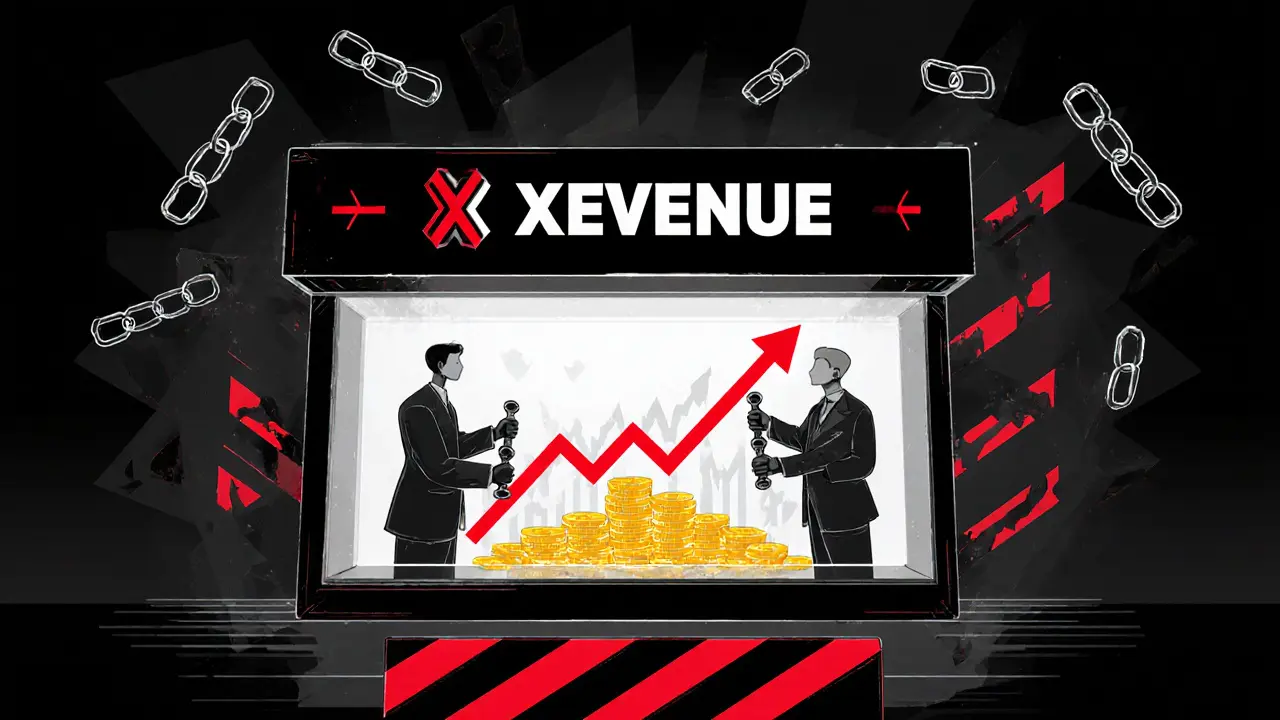
Xevenue crypto exchange is not a legitimate platform. No verified records, audits, or user reviews exist. Learn how to spot fake exchanges and protect your crypto from scams.
read more