Unlicensed Crypto Mining: Risks, Laws, and What Really Happens When You Skip the Rules
When you mine cryptocurrency without a license, you're not just running hardware—you're playing with legal fire. Unlicensed crypto mining, the practice of validating blockchain transactions and earning rewards without official approval from local authorities. Also known as illegal crypto mining, it’s a growing problem in countries where regulators demand permits, taxes, or energy usage reports. This isn’t some gray-area loophole. In places like China, Russia, and parts of the U.S., running mining rigs without a license can mean fines, equipment seizures, or even criminal charges.
Crypto regulation, the set of laws governments use to control how digital assets are created, traded, and mined varies wildly. Some countries, like the UAE, welcome miners with zero taxes and no licensing. Others, like Nigeria and Germany, require formal registration, proof of energy sourcing, and AML compliance. Mining penalties, the consequences for breaking these rules aren’t theoretical. In 2024, Iranian authorities confiscated over 12,000 mining rigs. In Kazakhstan, miners were fined millions for using state-subsidized electricity without permission. Even in the U.S., the IRS has started tracking unreported mining income—and if you’re not reporting it, you’re risking an audit.
Here’s the truth: most people who mine without a license aren’t trying to break the law. They’re just unaware. Maybe they bought a rig online, joined a pool, and assumed it was fine. But the rules don’t care about your intent. If your electricity bill spikes, if your IP gets flagged by a telecom provider, or if your mining software connects to a banned pool—you’re already on the radar. Crypto compliance, the process of meeting legal requirements for mining and reporting isn’t about bureaucracy. It’s about staying in business.
What you’ll find in the posts below isn’t a list of how to avoid detection. It’s a clear-eyed look at what happens when mining goes off the books. From real cases of shutdowns and seizures to how regulators track miners using energy data and blockchain analytics, these posts show you the actual risks—not the hype. You’ll see how countries like Tunisia and Pakistan handle underground mining, how exchanges like Xevenue and UPXIDE get shut down for lack of compliance, and why even a single unlicensed rig can trigger a chain reaction of legal trouble. This isn’t about fear. It’s about knowing the game before you play it.
Posted by
HELEN Nguyen
6 Comments
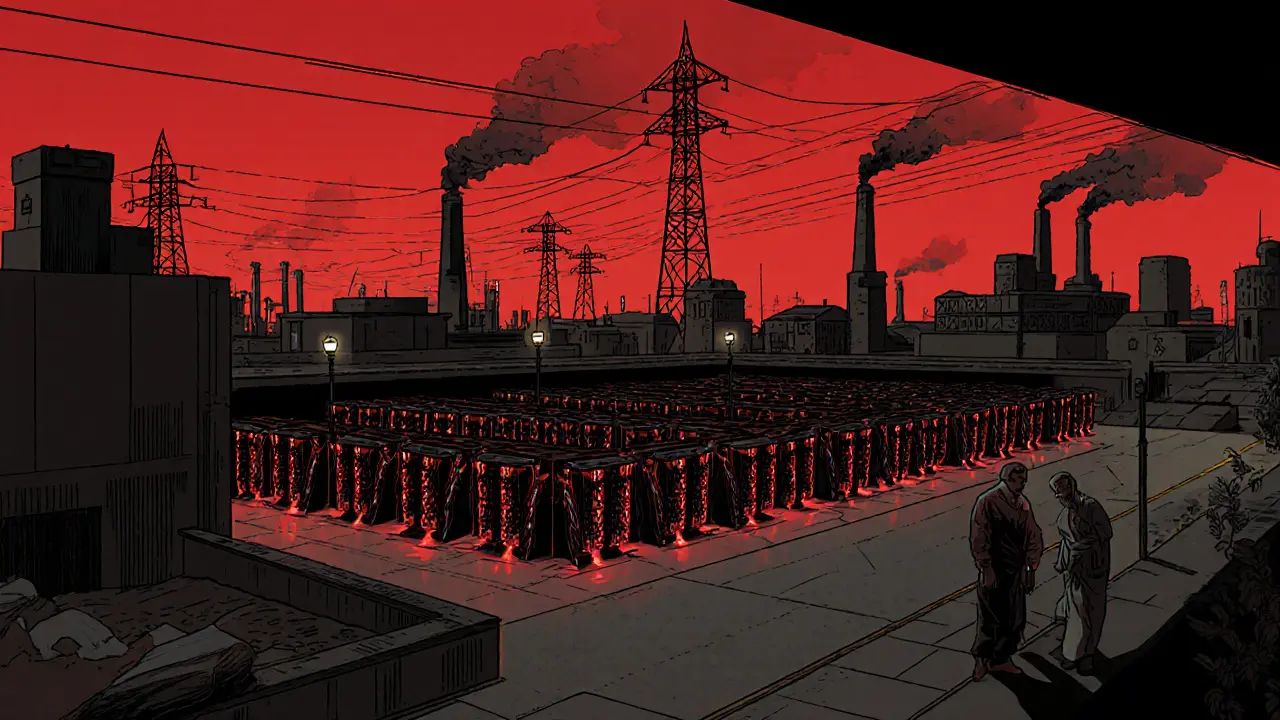
Iran's IRGC runs unlicensed crypto mining operations that steal electricity from citizens, fuel sanctions evasion, and fund regional conflicts. While ordinary Iranians face blackouts, military-linked farms mine Bitcoin 24/7 with no oversight.
read more