Underground Crypto: Hidden Markets, Unregulated Exchanges, and Real-World Risks
When you hear underground crypto, crypto activity that avoids official oversight, regulation, or public reporting. Also known as shadow crypto, it’s not just about anonymity—it’s about systems that exist because legal frameworks can’t keep up or deliberately don’t reach. This isn’t fiction. It’s Pakistanis using stablecoins to protect savings from hyperinflation, Iranians mining Bitcoin with stolen power while their neighbors live in blackouts, and Nigerian exchanges scrambling to get licenses before the law shuts them down. Underground crypto isn’t one thing—it’s dozens of desperate, clever, or outright illegal moves happening in the gaps between policy and reality.
Look closer and you’ll find unlicensed crypto mining, mining operations that bypass energy regulations, tax laws, or environmental controls. In Iran, the IRGC runs massive farms that drain the national grid—no permits, no accountability. In places like Venezuela or Kazakhstan, individuals mine in basements using illegally tapped electricity. Then there’s fake crypto exchanges, platforms that look real but have no audits, no team, and no intention of paying users. Xevenue, UPXIDE, RightBTC—they all vanished overnight, leaving users with empty wallets and no recourse. These aren’t outliers. They’re symptoms of a system where trust is replaced by speed, and regulation lags behind innovation by years. And when these platforms die, they leave behind decentralized exchange shutdowns, once-promising DEXs that collapsed due to poor governance, lack of funding, or community abandonment. Saturn Network, Serum DEX after FTX, Pontoon—these weren’t scams at first. They were hopeful experiments that ran out of steam, users, or trust. Their deaths teach us that even decentralized systems need more than code to survive.
What you’ll find below isn’t a list of hype or get-rich-quick schemes. It’s a raw look at what happens when crypto escapes the spotlight. You’ll read about tokens with 99.99% price drops that still have websites, exchanges that never existed, and countries where crypto adoption thrives because the government can’t stop it. These stories aren’t just about money. They’re about survival, control, and what happens when technology outpaces law. Whether you’re trying to avoid scams, understand global adoption, or just stay safe—this is the real crypto landscape. Not the one you see on ads. The one you have to navigate to protect what’s yours.
Posted by
HELEN Nguyen
5 Comments
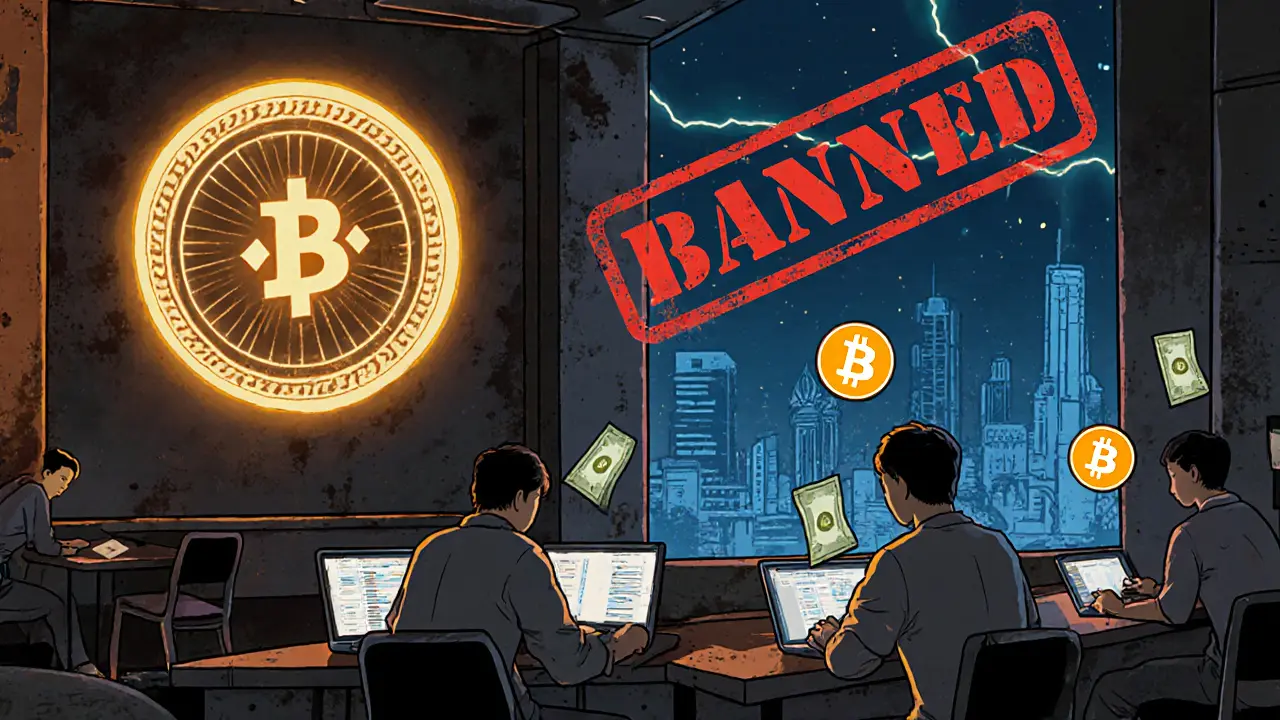
Despite a total ban since 2018, underground crypto trading thrives in Tunisia through VPNs and peer-to-peer platforms. Traders use Bitcoin, USDT, and cash workarounds to bypass bank blocks-risking arrest but gaining financial freedom.
read more