Tunisia Crypto Trading: Regulations, Challenges, and Real-World Access
When it comes to Tunisia crypto trading, the practice of buying, selling, or holding digital assets within Tunisia’s legal and economic environment. Also known as cryptocurrency trading in Tunisia, it’s not about freedom—it’s about finding gaps in a system built to block it. Tunisia doesn’t ban crypto outright, but it doesn’t welcome it either. The central bank has warned against it since 2017, calling it a "risk to financial stability." Yet, over 12% of Tunisians now own some form of cryptocurrency, according to a 2024 Chainalysis report. Why? Because inflation hit 9% in 2023, the local currency lost nearly 40% of its value since 2020, and remittances from abroad dried up. People turned to Bitcoin and stablecoins not because they believed in decentralization, but because they had no other way to protect their savings.
That’s where crypto regulations Tunisia, the unofficial but enforced rules that control how digital assets move in and out of the country. Also known as Tunisian crypto restrictions, it’s not a law on paper—it’s a wall of bank blocks, ATM limits, and payment processor refusals. Tunisian banks won’t process transactions to Binance, Coinbase, or any foreign exchange. Local fintech apps that try to bridge the gap get shut down within months. Even peer-to-peer trading through LocalBitcoins or Paxful is risky—many sellers vanish after receiving cash, and buyers get reported to authorities for "currency speculation." Meanwhile, crypto adoption Tunisia, the real-world use of digital assets by ordinary citizens to survive economic pressure. Also known as Tunisian crypto usage, it’s mostly done through Telegram groups, WhatsApp networks, and USB drives passed between friends. Stablecoins like USDT are the hidden currency of choice—used to pay for freelance work, buy imported goods, or send money to family abroad without triggering bank flags.
What you won’t find in official reports are the quiet workarounds: Tunisians using VPNs to access decentralized exchanges like Uniswap, trading through Turkish or Egyptian intermediaries, or buying Bitcoin in cash from traders in border towns. Some even use crypto to pay for online courses, software subscriptions, or cloud services—anything that doesn’t require a local bank account. The Tunisia crypto trading scene isn’t thriving—it’s surviving. And that’s why the posts below matter. They don’t talk about hype or price charts. They show you what actually works when the system is stacked against you: how to spot fake exchanges, what airdrops are still active, how to avoid scams targeting desperate users, and which tools still function despite the restrictions. What follows isn’t theory. It’s what people in Tunisia are doing right now to keep their finances alive.
Posted by
HELEN Nguyen
5 Comments
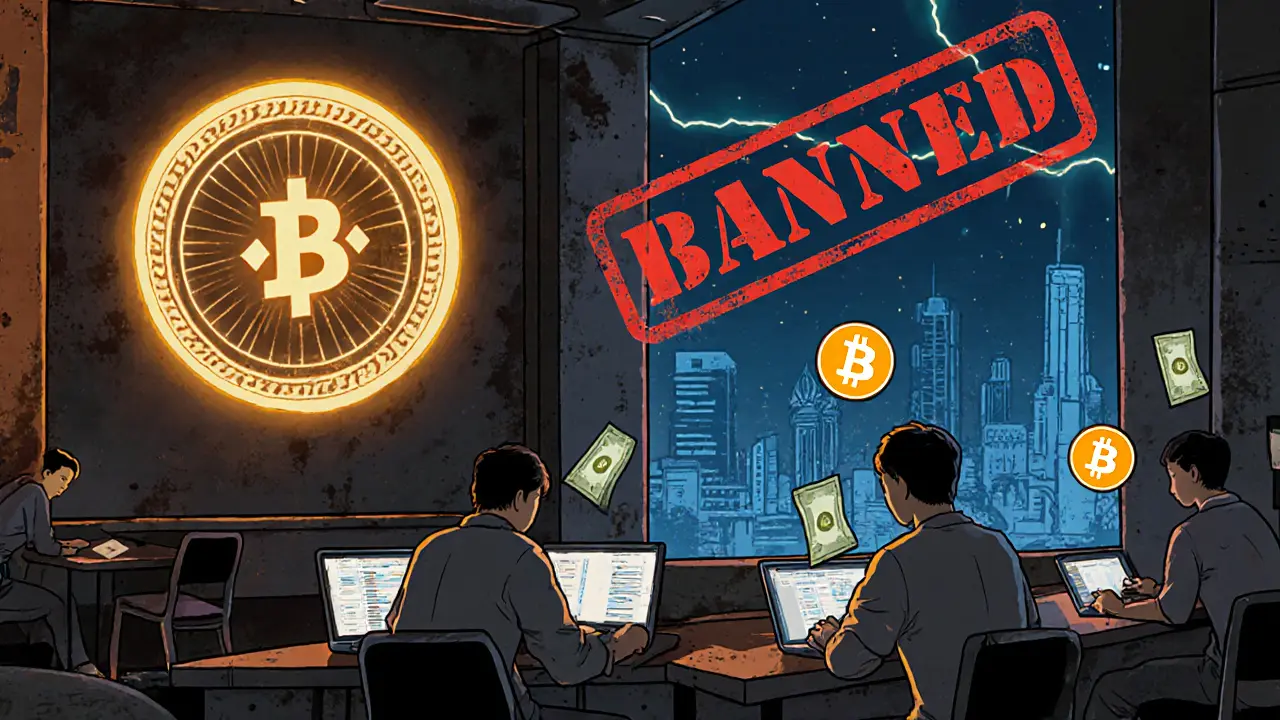
Despite a total ban since 2018, underground crypto trading thrives in Tunisia through VPNs and peer-to-peer platforms. Traders use Bitcoin, USDT, and cash workarounds to bypass bank blocks-risking arrest but gaining financial freedom.
read more