Stablecoins in Pakistan: How They Work, Where to Use Them, and What You Need to Know
When you need to hold value in a country where the PKR, the official currency of Pakistan, which has lost over 50% of its value against the US dollar since 2018 keeps falling, stablecoins become more than a crypto trend—they become a lifeline. A stablecoin, a digital currency pegged to a stable asset like the US dollar to avoid price swings lets you lock in buying power without touching a bank. In Pakistan, where banks block international transfers and inflation eats savings, stablecoins like USDT, Tether, the most widely used dollar-pegged token, accepted across P2P platforms and local exchanges are quietly replacing cash savings for millions.
Stablecoins in Pakistan aren’t about speculation. They’re about survival. People use them to pay for imported goods, send money to family abroad, or protect earnings from sudden currency devaluations. You won’t find them on official banking apps, but you’ll find them on P2P crypto platforms, peer-to-peer networks where users trade crypto directly, often using cash or bank transfers to avoid formal financial oversight like Paxful and LocalBitcoins. Traders swap PKR for USDT in seconds, then hold it until they need to buy something overseas—or until the next rupee drop. The process is simple: find a seller, pay via bank transfer or cash deposit, get the tokens in your wallet, and move on. No paperwork. No delays. No government approval needed.
But it’s not risk-free. While stablecoins themselves are designed to stay stable, the systems around them aren’t. Some sellers disappear after you pay. Some platforms freeze accounts without warning. And while Pakistan’s central bank officially bans crypto, enforcement is patchy—meaning you operate in a gray zone where legal protection doesn’t exist. Still, the numbers don’t lie: millions of Pakistanis use stablecoins daily. They’re not chasing get-rich-quick schemes. They’re trying to keep their money from vanishing. Below, you’ll find real stories, practical guides, and warnings from people who’ve been there. From how to safely buy USDT with local bank transfers, to which platforms still work after recent crackdowns, to what happens when your wallet gets hacked—you’ll find exactly what you need to stay safe and stay in control.
Posted by
HELEN Nguyen
9 Comments
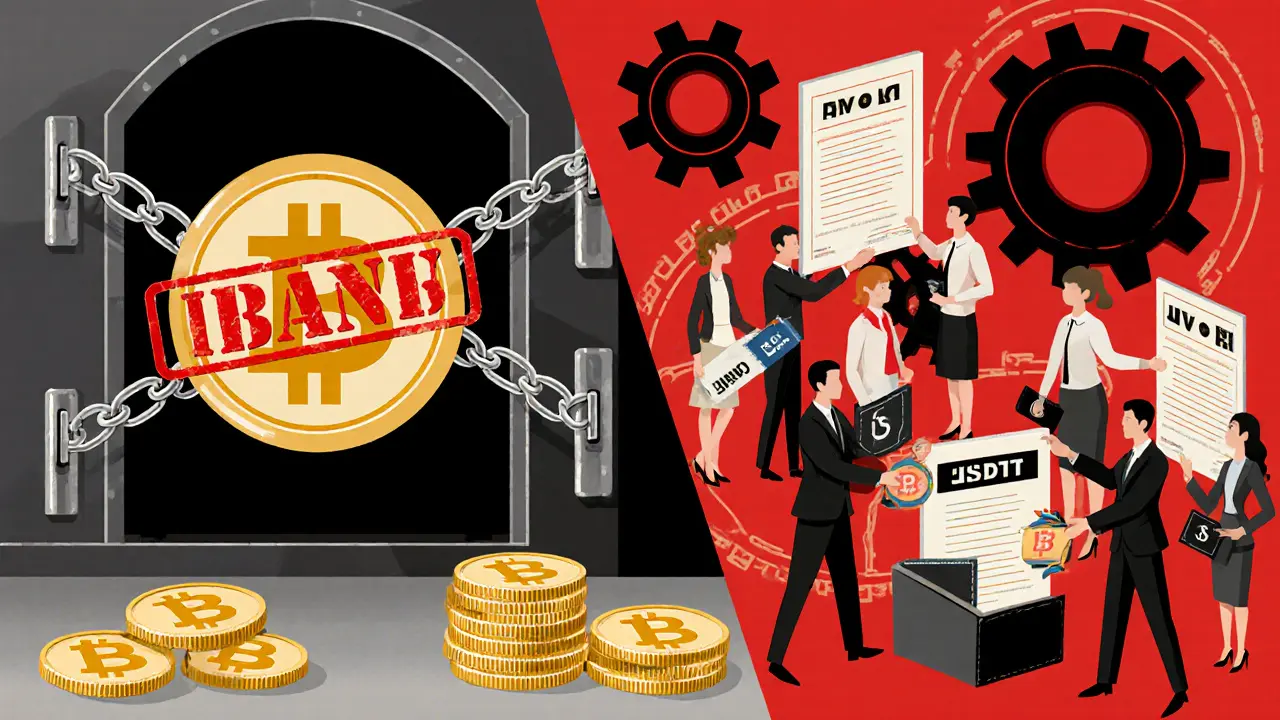
Pakistan rose to 3rd-4th globally in crypto adoption despite a 2018 ban, thanks to stablecoin use for remittances and inflation protection. Over 20 million citizens now hold crypto, driven by necessity, not speculation.
read more