Remittance Cost Calculator
Send Money to Pakistan: Traditional vs Crypto
Compare fees for sending money to Pakistan. The article shows that traditional remittance services charge 8-10% while crypto transfers cost just $2.
According to the article, 8-10% of your transfer amount goes to fees with traditional services like Western Union. With crypto, you pay a flat $2 fee regardless of the amount.
Traditional Remittance
Western Union, MoneyGram, etc.
Crypto Remittance
USDT, USDC, etc.
How much you save:
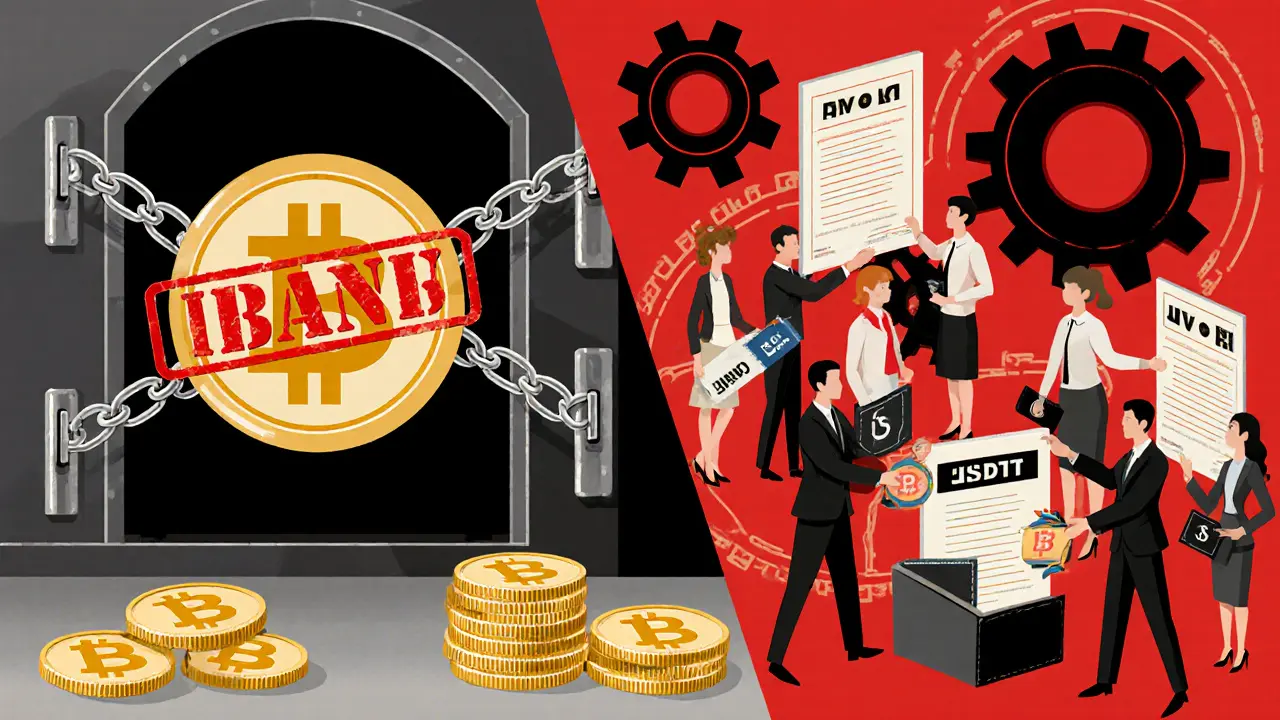
For years, Pakistan was one of the most hostile countries in the world toward cryptocurrency. In 2018, the State Bank of Pakistan banned banks from dealing with crypto exchanges. People who used Bitcoin or Ethereum risked having their accounts frozen. Yet today, Pakistan sits at 3rd or 4th in the world for crypto adoption - right behind India and the United States. How did that happen?
From Ban to Boom: A Complete Regulatory Flip
It wasn’t gradual. It was a 180-degree turn. In 2018, crypto was illegal territory. By mid-2025, Pakistan created the Pakistan Virtual Assets Regulatory Authority a government body established in July 2025 to license, monitor, and regulate virtual asset service providers. That’s not just a policy change - it’s a full institutional overhaul. The government didn’t just stop blocking crypto. It started building roads for it. The Pakistan Crypto Council a private-public industry body led by CEO Bin Saqib, formed in early 2025 to coordinate regulatory alignment and international partnerships became the bridge between regulators and users. Their job? Make sure exchanges, wallets, and businesses could operate legally. No more shadow markets. No more fear of arrest. Just rules - clear, enforceable, and backed by the state.Why People Turned to Crypto - Not Speculation, But Survival
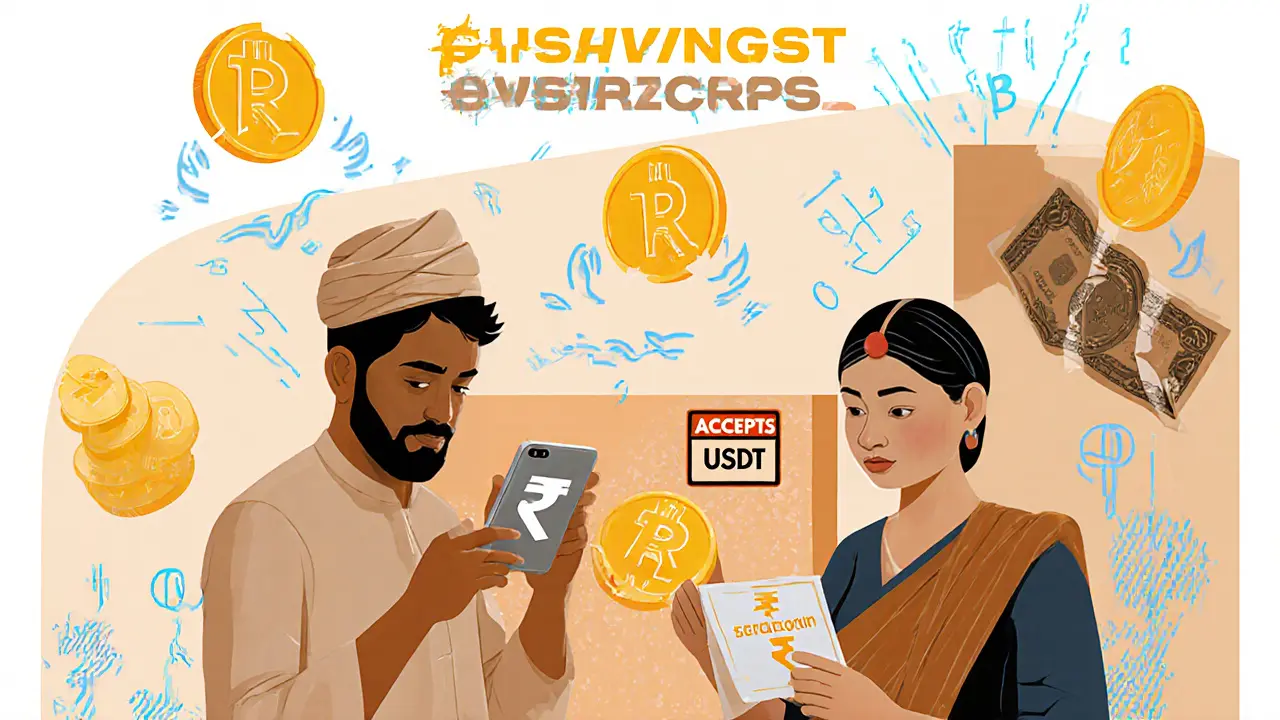
Most people think crypto adoption is about getting rich quick. In Pakistan, it’s about staying afloat. The country’s inflation rate hit 38% in 2024. The Pakistani rupee lost nearly half its value against the dollar since 2020. People saw their savings evaporate overnight. Bitcoin and stablecoins like USDT became a lifeline. Stablecoins are the real story here. They’re digital coins pegged to the U.S. dollar. You can send them across borders in minutes, for less than a dollar. Compare that to traditional remittance services like Western Union, which charge 8-10% to send money home from the Gulf or Europe. For a worker sending $300 to their family in Lahore, that’s $24 gone. With crypto? $2. Chainalysis, the leading crypto analytics firm, found that over 70% of crypto transactions in Pakistan are for remittances and savings - not trading. That’s not speculation. That’s necessity. People aren’t buying Bitcoin because they think it’ll hit $100,000. They’re buying it because their bank account won’t protect their money.How Pakistan Ranks So High - The Numbers Behind the Headlines
According to Chainalysis’ 2025 Global Adoption Index, Pakistan jumped six spots to 3rd place globally. That’s not a fluke. Here’s what drove it:- Over 20 million Pakistanis own crypto - that’s nearly 9% of the population.
- Total crypto value held by Pakistanis: $20-25 billion as of mid-2025.
- Transaction volume grew 210% between July 2024 and June 2025 - the fastest growth in South Asia.
- Over 80% of crypto activity happens on decentralized platforms, meaning users bypass traditional banking entirely.
Who’s Behind the Scenes - And Why It Matters
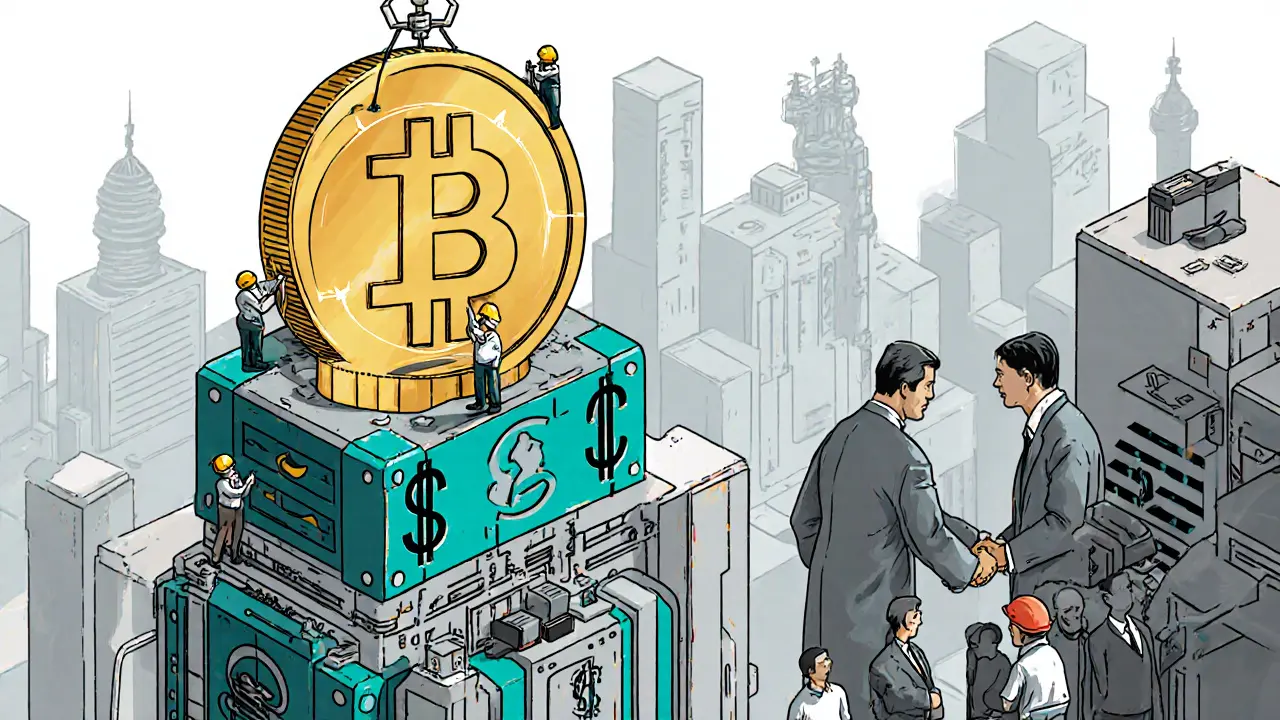
This isn’t just a grassroots movement. It’s a strategic play. In June 2025, Finance Minister Muhammad Aurangzeb met with Bitcoin billionaire Michael Saylor, whose company MicroStrategy holds over $62 billion in Bitcoin. The goal? Use crypto to stabilize Pakistan’s economy and attract foreign capital. Then came the August 2025 deal with World Liberty Financial a U.S.-based blockchain firm co-founded by Zach Witkoff, linked to the Trump family’s political network. The partnership promised to build crypto infrastructure, train regulators, and even create a national digital currency pilot. Critics called it a political favor. Supporters said it brought needed expertise. The connection between World Liberty Financial and Steve Witkoff - Trump’s Middle East envoy - and Pakistan’s army chief Asim Munir raised eyebrows. Was this about technology… or influence? Either way, it worked. Pakistan got access to global networks it couldn’t build alone.How Pakistan Compares to Other Top Crypto Nations
Here’s how Pakistan stacks up against its global peers in 2025:| Rank | Country | Adoption Driver | Key Metric |
|---|---|---|---|
| 1 | India | Mass retail use, UPI integration | Over 100 million users |
| 2 | United States | ETF approvals, institutional investment | $1.2 trillion in crypto assets held |
| 3 | Pakistan | Stablecoin remittances, inflation hedge | $25B held, 20M users |
| 4 | Vietnam | Young, tech-savvy population, P2P trading | 15% of population owns crypto |
| 5 | Nigeria | High remittance demand, mobile wallet use | 21M users, but lower transaction value |
The Risks - And What Could Go Wrong
This success isn’t guaranteed. Pakistan’s crypto boom is built on three fragile pillars: regulation, stability, and trust. First, the regulatory framework is new. The Pakistan Virtual Assets Regulatory Authority has no track record. If political winds shift - say, a new government takes power in 2026 - they could roll back licenses overnight. Second, reliance on foreign firms like World Liberty Financial creates dependency. What if they pull out? What if U.S. sanctions target their operations? Pakistan’s crypto ecosystem could collapse faster than it rose. Third, there’s no consumer protection. If you send crypto to the wrong address, it’s gone. No bank will refund you. No government will step in. Thousands have already lost life savings to scams - and there’s no legal recourse.What’s Next for Pakistan’s Crypto Future
By 2026, Pakistan aims to launch a national stablecoin backed by foreign reserves. That’s huge. If it works, it could become a regional hub for digital finance. Schools are already starting to teach blockchain basics. Banks are partnering with crypto firms. Even small shops in Karachi now accept USDT for goods. The real test? Will this growth be sustainable? Or just a reaction to economic chaos? Experts like Chainalysis’ Kim Grauer say Pakistan’s model is the future: crypto not as a gamble, but as a tool. A way to send money home. A way to save without losing value. A way to bypass broken systems. Pakistan didn’t become a top crypto nation because it’s tech-savvy. It became one because it had no other choice.Frequently Asked Questions
Is cryptocurrency legal in Pakistan in 2025?
Yes. As of July 2025, cryptocurrency is fully legal under the new Pakistan Virtual Assets Regulatory Authority. Exchanges, wallets, and businesses can operate with licenses. The 2018 ban was officially lifted in early 2025 after widespread public pressure and economic need.
Why is Pakistan using stablecoins instead of Bitcoin?
Stablecoins like USDT and USDC are pegged to the U.S. dollar, so their value doesn’t swing wildly. In a country with 38% inflation, Bitcoin’s price volatility makes it risky for daily use. Stablecoins let people save, send money, and pay bills without losing half their value in a week.
How many people in Pakistan own crypto?
Approximately 20 million Pakistanis, or about 9% of the population, own cryptocurrency as of mid-2025. This is far higher than the global average of 6.9%. Most are young, urban, and use crypto for remittances and savings, not trading.
Did Pakistan get help from the U.S. to build its crypto system?
Yes. In August 2025, Pakistan’s Crypto Council partnered with World Liberty Financial, a U.S.-based blockchain firm linked to the Trump family’s political network. The partnership provided technical training, infrastructure support, and access to international markets. Critics call it a political deal; supporters say it brought needed expertise.
Can I use crypto to pay bills in Pakistan?
Yes. Major utility companies in Lahore, Karachi, and Islamabad now accept USDT for electricity, water, and internet bills. Some supermarkets and pharmacies also accept crypto via QR code payments. This is still limited to big cities, but it’s growing fast.
Is Pakistan’s crypto growth sustainable?
It depends. If the government keeps regulation clear and protects users, yes. If politics interferes or foreign partners pull out, it could crash. The key is whether crypto stays focused on real needs - like sending money home - rather than turning into a speculative casino.
Comments
Catherine Williams
This is the most beautiful thing I’ve ever seen. Women in Lahore sending USDT to their moms in Peshawar while their husbands are stuck in Dubai? That’s not crypto-that’s liberation. I cried reading this. The system tried to break them, and they built a new one with their phones. 💔➡️🚀
November 30, 2025 at 02:13
Paul McNair
It’s wild how the same people who scream 'crypto is a scam' when it's used by the poor suddenly get quiet when it's saving lives. Pakistan didn't adopt crypto because it's trendy-it adopted it because the state failed them. And now? They're teaching the world how to survive capitalism.
Meanwhile, my country’s still debating if Bitcoin is 'a real asset.'
November 30, 2025 at 10:06
Mohamed Haybe
India is #1 because we have 1.4 billion people and everyone knows how to use UPI. Pakistan is #3 because they had no choice. Don't act like this is innovation its desperation with a blockchain label. Also USDT is just digital rupee with extra steps
December 1, 2025 at 17:22
Marsha Enright
If you're sending $300 home and paying $24 in fees, you're basically giving your money to a middleman who does nothing. Crypto fixes that. It's not magic-it's math. And the fact that Pakistan built a regulatory framework around it? That’s the real win.
Stablecoins aren’t speculative-they’re social infrastructure. Treat them like that.
December 3, 2025 at 07:54
Andrew Brady
Let me get this straight. The U.S. military-industrial complex partners with a Trump-linked firm to 'help' Pakistan build a digital currency… right after the army chief gets cozy with them? And you call this adoption?
This isn't a grassroots revolution. It's a covert financial takeover disguised as economic relief. The State Department didn't drop this out of kindness. They want to control the next global payment layer. Watch what happens when the next election flips.
And don't tell me 'it's for the people.' If it were, why not let them use Bitcoin directly? No. They need a centralized, licensed, monitored version. That's control. Not freedom.
December 4, 2025 at 03:15
Sharmishtha Sohoni
20 million users. 70% remittances. 80% decentralized. That’s not speculation. That’s survival. Why do we keep calling it 'crypto adoption' like it’s a fashion trend? It’s a currency revolution born from collapse.
December 4, 2025 at 06:00
Althea Gwen
Imagine if your bank account could vanish overnight because the government said so… but then you found out you could send your life savings across borders in 5 minutes for $2? That’s not crypto. That’s magic. 🧙♀️💸
Also why is no one talking about how this makes the IMF look like a dinosaur? 😅
December 5, 2025 at 13:16
Durgesh Mehta
The real story is how fast this happened. One year ago people were getting arrested for using crypto now shops in Karachi take USDT for milk and bread. No one planned this. It just happened because people needed it. Regulation followed the people not the other way around
December 5, 2025 at 23:46
Sarah Roberge
Wait… so Pakistan’s economy collapsed so hard that people had to invent their own financial system… and now we’re calling it a success? 🤔
That’s not innovation. That’s a cry for help with a QR code. And don’t even get me started on World Liberty Financial-sounds like a startup named by a bored intern in a Trump Tower elevator. 🙄
Also… who’s gonna pay when 10 million people lose everything because the regulator gets fired next year? Nobody. That’s who.
December 6, 2025 at 13:07