Stablecoin Legality in Bolivia: What You Need to Know in 2025
When it comes to stablecoin legality in Bolivia, the legal status of digital currencies pegged to fiat like the US dollar. Also known as crypto-backed stable assets, these tokens—especially USDT and USDC—are used by Bolivians to protect savings from hyperinflation and bypass strict banking controls, even when the government says they shouldn’t be. Unlike Bitcoin, which is sometimes treated as a commodity, stablecoins are seen by regulators as direct substitutes for the Bolivian boliviano, making them a bigger red flag for authorities.
The central bank of Bolivia has never officially legalized any cryptocurrency, and in 2025, it still enforces a strict ban on financial institutions dealing with crypto assets. But here’s the catch: that ban doesn’t stop people. Thousands of Bolivians use peer-to-peer apps like LocalBitcoins and Paxful to buy USDT with cash, then send it to family abroad or use it to pay for imported goods. It’s not about speculation—it’s survival. In a country where inflation hit 8% in 2024 and access to dollars is tightly controlled, stablecoins became the unofficial currency of the informal economy. This isn’t just a tech trend; it’s a response to real economic pressure. And while the government cracks down on exchanges and fintechs that operate without licenses, enforcement on individuals is rare. That’s because chasing every person with a crypto wallet is impossible.
What’s more, Bolivia’s legal system doesn’t clearly define whether holding or trading stablecoins is a civil offense, a criminal act, or just ignored. There are no known cases of regular citizens being jailed for owning USDT. But if you’re running a business that accepts crypto or converts it to bolivianos, you’re playing with fire. The financial intelligence unit (UIF) monitors suspicious transfers, and banks can freeze accounts linked to crypto activity. So while stablecoin adoption in Bolivia, the widespread use of dollar-pegged tokens by everyday citizens. Also known as crypto remittance channels, it’s growing because the system failed them. remains strong, the legal gray zone is getting riskier. Meanwhile, crypto regulation in Bolivia, the lack of formal rules governing digital assets. Also known as crypto legal vacuum, it’s not unique—countries like Nigeria and Pakistan face similar gaps—but Bolivia’s banking restrictions make it more urgent. The real question isn’t whether stablecoins are legal—it’s whether you’re willing to risk being flagged by authorities for using them.
Below, you’ll find real posts that break down how Bolivians are using stablecoins despite the ban, what happens when banks catch on, how USDT flows through underground networks, and what other countries with similar rules are doing right—or wrong. No theory. No guesswork. Just what’s actually happening on the ground in 2025.
Posted by
HELEN Nguyen
7 Comments
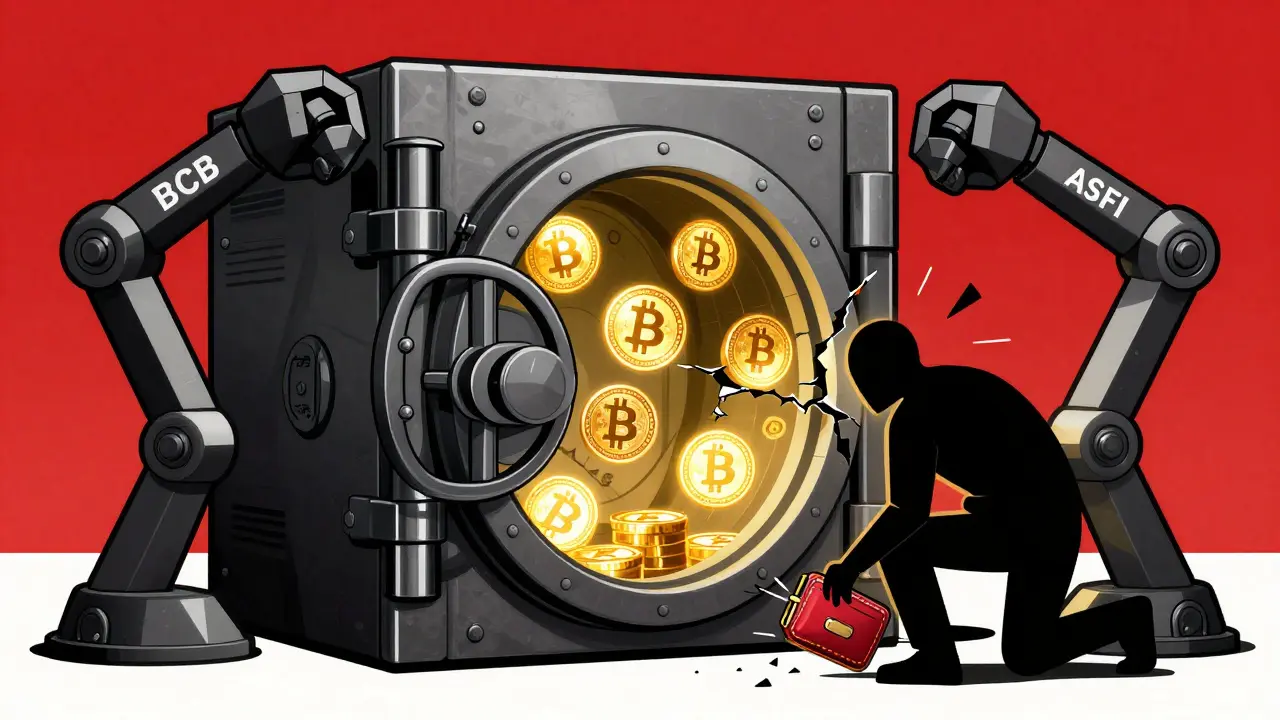
Bolivia lifted its crypto ban in 2024, making trading legal - but only through licensed banks. Know the penalties for bypassing approved channels and how taxes apply to personal vs. business crypto use in 2025.
read more