SRM Token: What It Is, Who Uses It, and Why It Matters in Crypto
When you hear SRM token, the native utility token of the Serum decentralized exchange built on Solana. Also known as Serum token, it was designed to reward liquidity providers, reduce trading fees, and govern platform upgrades in one of the fastest DeFi ecosystems around. Unlike many tokens that faded after hype, SRM had real infrastructure behind it—Serum’s order book DEX was one of the first to bring traditional exchange speed to blockchain, with trades settling in milliseconds.
SRM doesn’t exist in a vacuum. It’s tightly linked to Serum, a decentralized exchange built on Solana that uses a centralized order book model for high-speed trading. Also known as Serum DEX, it was built to solve the slow, expensive trading problems of early DEXs like Uniswap. Then there’s Solana, the high-performance blockchain that hosts Serum and powers its low fees and fast confirmations. Also known as SOL blockchain, it’s what made SRM’s speed possible in the first place. You can’t talk about SRM without talking about Solana—it’s the engine, and SRM is the fuel. And while many DeFi projects have come and gone, Serum’s architecture still influences how new DEXs are built today.
People used SRM to cut trading fees by up to 75%, earn rewards for adding liquidity, and vote on platform changes. Back in 2021, it wasn’t just speculation—it was functional. Traders on Solana, especially those doing high-frequency swaps or arbitrage between DEXs, relied on it. Even now, some DeFi protocols still integrate Serum’s order book tech, meaning SRM’s code lives on even if its price doesn’t. You’ll find references to it in posts about failed DEXs, tokenomics that didn’t last, and how Solana’s ecosystem evolved after its early boom.
What’s in the collection below? You’ll see real examples of what happened to tokens like SRM after their peak—how some faded into obscurity, others got absorbed, and a few still have hidden utility. There are stories of exchanges that shut down, airdrops that vanished, and crypto projects that looked promising but lost momentum. SRM’s journey mirrors them all: built on real tech, backed by hype, and eventually tested by time. If you’ve ever wondered why some tokens survive and others don’t, the answers are here.
Posted by
HELEN Nguyen
9 Comments
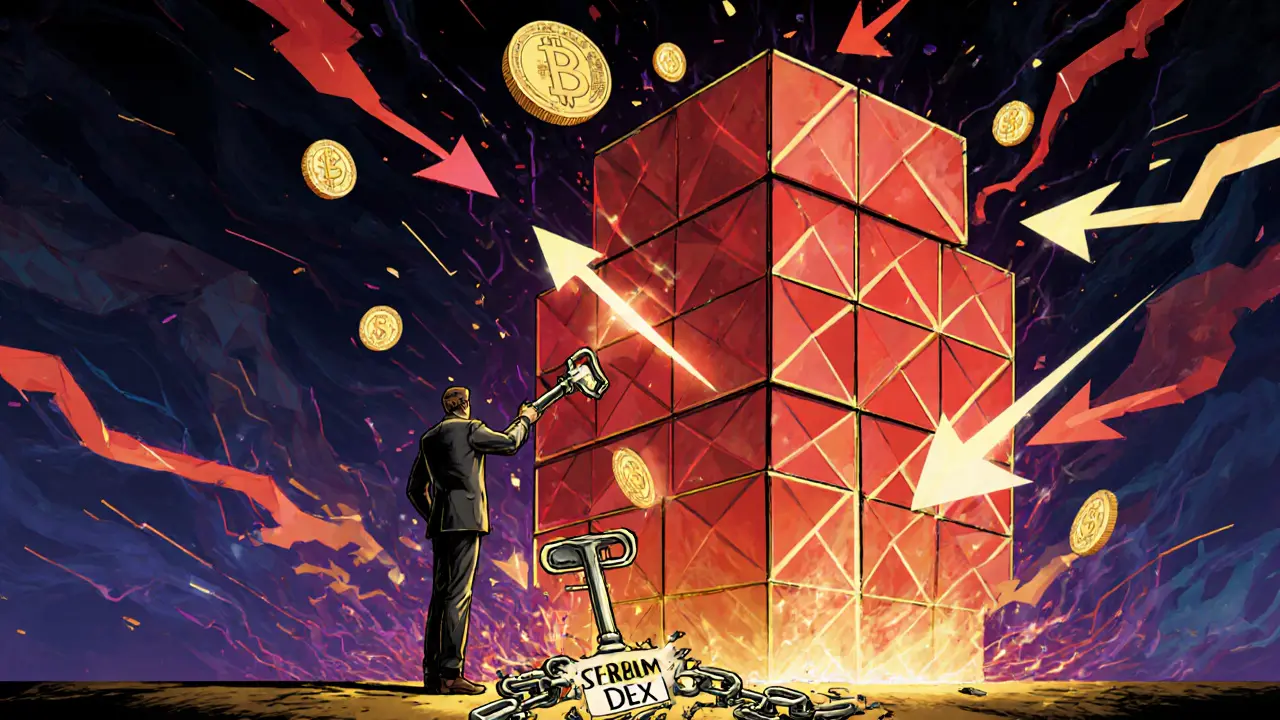
Serum DEX was a groundbreaking Solana-based decentralized exchange with order book trading and near-zero fees. After FTX's collapse, it was forked by the community. Here's how it works today, who should use it, and whether it's still viable.
read more