South Korea Crypto Regulations: What You Need to Know in 2025
When it comes to South Korea crypto regulations, a tightly controlled framework that demands full transparency from exchanges, traders, and token issuers. Also known as Korea's digital asset rules, this system forces everyone to register, report, and comply—or face heavy fines and blocked access. Unlike countries that treat crypto as a gray area, South Korea treats it like a bank account: everything must be tracked, taxed, and approved.
The KFTC (Korea Financial Intelligence Unit), the main body enforcing crypto compliance under the Financial Services Commission. Also known as Korea’s financial watchdog, it requires all local exchanges to hold licenses, collect real-name KYC data, and report every transaction over $1,000. No anonymous trading. No offshore wallets hiding funds. If you’re trading on Binance or Coinbase from Seoul, you’re still under their watch. The South Korea crypto tax, a 20% capital gains tax on profits from crypto sales, staking, and mining. Also known as Korea’s digital asset income tax, it applies to anyone who makes over 2.5 million KRW ($1,800) in a year. Even if you’re just swapping one coin for another, the government sees it as a sale. No loopholes. No exceptions.
What makes this even harder is that South Korea doesn’t just regulate exchanges—they regulate people. If you hold crypto in a foreign wallet, you still have to declare it. If you earn interest from DeFi, it’s taxable income. If you get an airdrop, you owe tax the moment you sell it. The rules are clear, and the penalties are brutal: fines up to 50 million KRW ($37,000), jail time for tax evasion, and permanent bans from local exchanges. This isn’t just about compliance—it’s about survival in the market.
That’s why the posts below matter. You’ll find real breakdowns of how Korean traders navigate these rules, what happens when exchanges get shut down, how AML checks trap unsuspecting users, and why some choose underground trading despite the risks. You’ll see how local platforms like Upbit and Bithumb changed their systems to stay legal, how tax software is now mandatory for serious traders, and why even small gains can trigger audits. There’s no fluff here—just what actually happens on the ground when the government watches every click.
Posted by
HELEN Nguyen
9 Comments
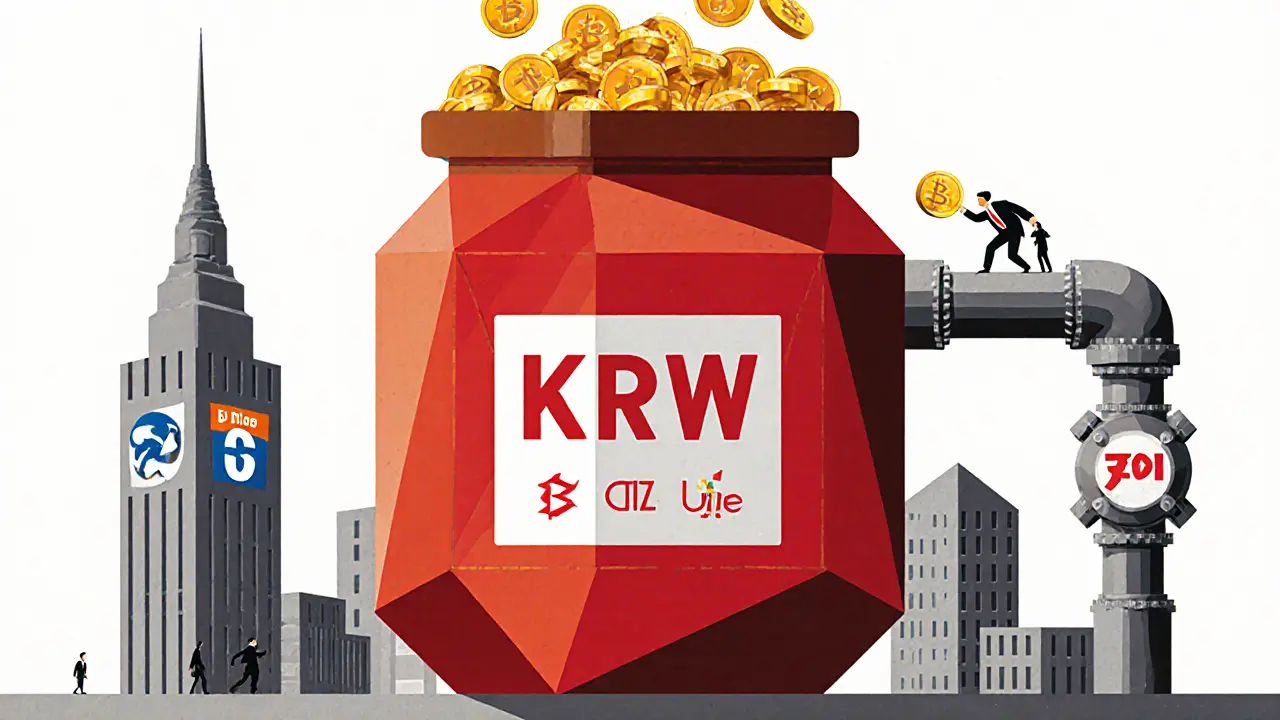
The kimchi premium explains why Bitcoin costs more in South Korea than anywhere else-due to high local demand, strict capital controls, and regulations that block foreign traders. It's not a glitch, it's a market reality.
read more