Safe Crypto Exchange: How to Pick One That Won’t Lose Your Money
When you’re trading crypto, your safe crypto exchange, a platform that holds and trades digital assets with strong security and legal oversight. Also known as a regulated crypto exchange, it’s the gatekeeper between your money and the blockchain. But not all exchanges are built the same. Some are run by people who vanish when the market drops. Others get hacked because they skip basic security. And a few? They’re outright scams with fake websites and no real support. You need to know what separates the real ones from the ones that steal.
A regulated crypto exchange, a platform legally registered with financial authorities like AUSTRAC, BaFin, or the Nigerian SEC has to follow strict rules. That means they must verify users, report suspicious activity, and keep customer funds separate from company money. In Australia, exchanges must register with AUSTRAC by 2026. In Germany, BaFin shuts down unlicensed platforms. These aren’t just paperwork—they’re your first line of defense. If an exchange doesn’t say where it’s licensed, don’t trust it. Also, look for crypto exchange security, features like cold storage, two-factor authentication, and insurance against hacks. The best ones store 95% or more of user funds offline, away from hackers. They also require two-step login and often insure deposits. Saturn Network and RightBTC shut down because they didn’t have these basics. Don’t make the same mistake.
Scams don’t always look like scams. UPXIDE has no website, no audits, no reviews—yet people still send money to it. Meanwhile, exchanges like Serum DEX and Base are built on transparent tech, even if they’re decentralized. But even DEXs can be risky if you don’t know what you’re doing. Geography matters too: some exchanges block users from Nigeria, Tunisia, or Pakistan because of local laws. That doesn’t mean they’re unsafe—it means they’re following rules. A crypto exchange scams, fraudulent platforms designed to steal funds under the guise of trading services often promise unrealistic returns, pressure you to deposit fast, or disappear after a big airdrop. If it sounds too good to be true, it is. Check if the exchange is mentioned in official government alerts. Look for user reviews that talk about withdrawals—not just trading speed. And never ignore compliance. The Fines for AML violations hit half a billion dollars in 2025. If an exchange isn’t serious about compliance, it’s not serious about protecting you.
Below, you’ll find real cases of exchanges that failed, ones that got shut down, and others that stayed safe by following the rules. You’ll see how regulations work in Nigeria, Australia, and Germany. You’ll learn what to look for in a platform before you deposit a single coin. And you’ll spot the signs of a scam before it’s too late. This isn’t theory. These are the stories of real people who lost money—and the ones who didn’t.
Posted by
HELEN Nguyen
5 Comments
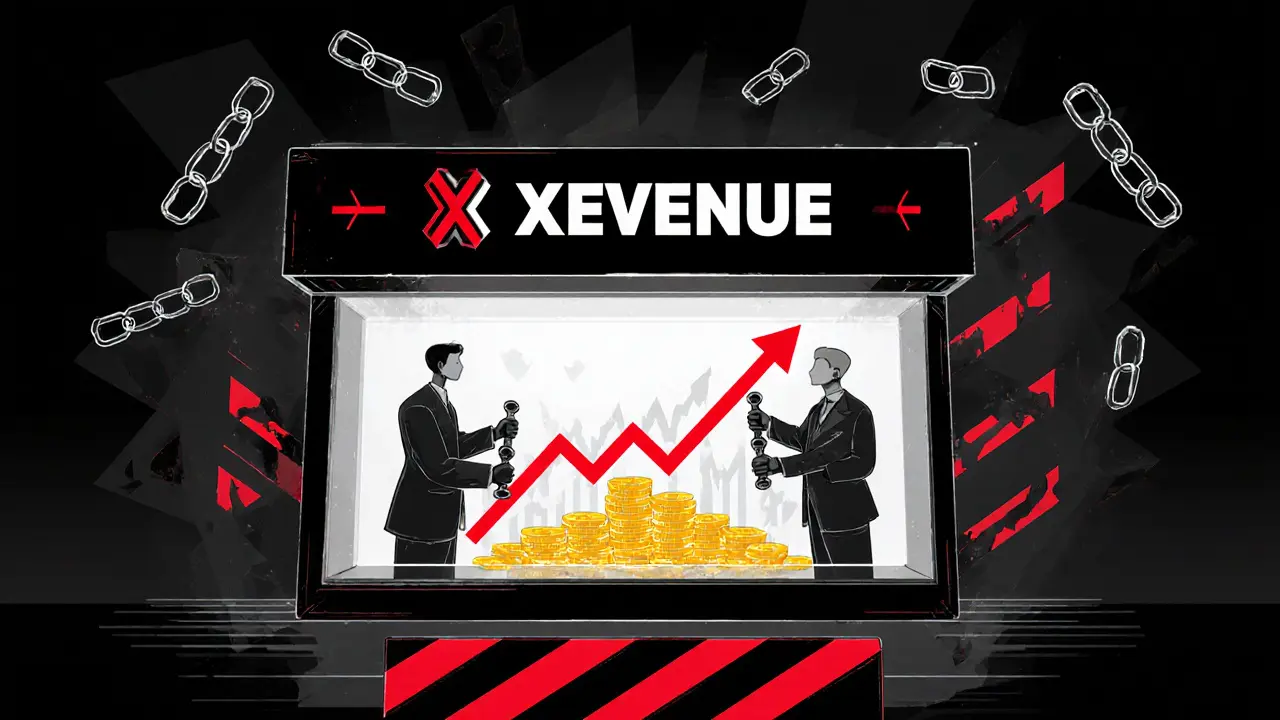
Xevenue crypto exchange is not a legitimate platform. No verified records, audits, or user reviews exist. Learn how to spot fake exchanges and protect your crypto from scams.
read more