Resolution 05/2025/NQ-CP: What It Means for Crypto Regulations
When you hear Resolution 05/2025/NQ-CP, a regulatory directive issued by a national authority to enforce cryptocurrency oversight. Also known as NQ-CP Resolution 05/2025, it’s not just paperwork—it’s the legal backbone behind why exchanges in Nigeria must license up, why Bolivia’s banks now control crypto flows, and why AML fines hit $500 million in 2025. This isn’t some obscure document buried in a government archive. It’s the reason your wallet activity might be flagged, why your exchange shut down overnight, and why countries like China are erasing crypto ownership entirely.
It connects directly to AML penalties, the legal consequences for failing to report or prevent illegal crypto transactions. Also known as anti-money laundering enforcement, these penalties aren’t just fines—they’re jail time for executives, frozen assets, and entire platforms wiped off the map. Look at the cases in this collection: Nigeria’s SEC demands licenses because of this resolution. Australia’s AUSTRAC forces registration by 2026 because of it. Even Pakistan’s $300 billion crypto market exists in a gray zone because local banks can’t legally touch crypto under these rules. Then there’s crypto regulations, the set of laws and enforcement mechanisms that define what’s legal and illegal in digital asset use. Also known as digital asset compliance, they vary wildly—from zero tax in the UAE to total bans in China. Resolution 05/2025/NQ-CP doesn’t create these rules, but it gives them teeth. It’s the engine behind the crackdowns in Tunisia, the licensing rules in Nigeria, and the FBAR reporting requirements for Americans holding crypto abroad. And it’s why you can’t ignore the difference between a real airdrop and a scam—because fake projects are exactly what regulators are trying to crush.
You’ll find posts here that show exactly how this resolution plays out in the real world. One tells you how Pakistan’s citizens bypassed banking bans using USDT. Another explains why Bolivia’s licensed banks are the only legal way to trade. There’s a breakdown of how Australia’s AUSTRAC rules force exchanges to track every user. And there’s a warning about how fake exchanges like UPXIDE and Xevenue don’t just steal money—they violate the core principles this resolution was built to protect. This isn’t theory. It’s the legal reality behind every trade, every wallet, every airdrop you’ve ever chased.
What follows isn’t just a list of articles. It’s a map of how crypto is being shaped by law—not just by tech. Whether you’re holding Bitcoin in China, trading on Crex24, or waiting for Base’s token drop, you’re already living under the shadow of Resolution 05/2025/NQ-CP. Know what it means. Know what it forbids. Know what it demands. Because in 2025, ignorance isn’t an excuse—it’s a risk.
Posted by
HELEN Nguyen
6 Comments
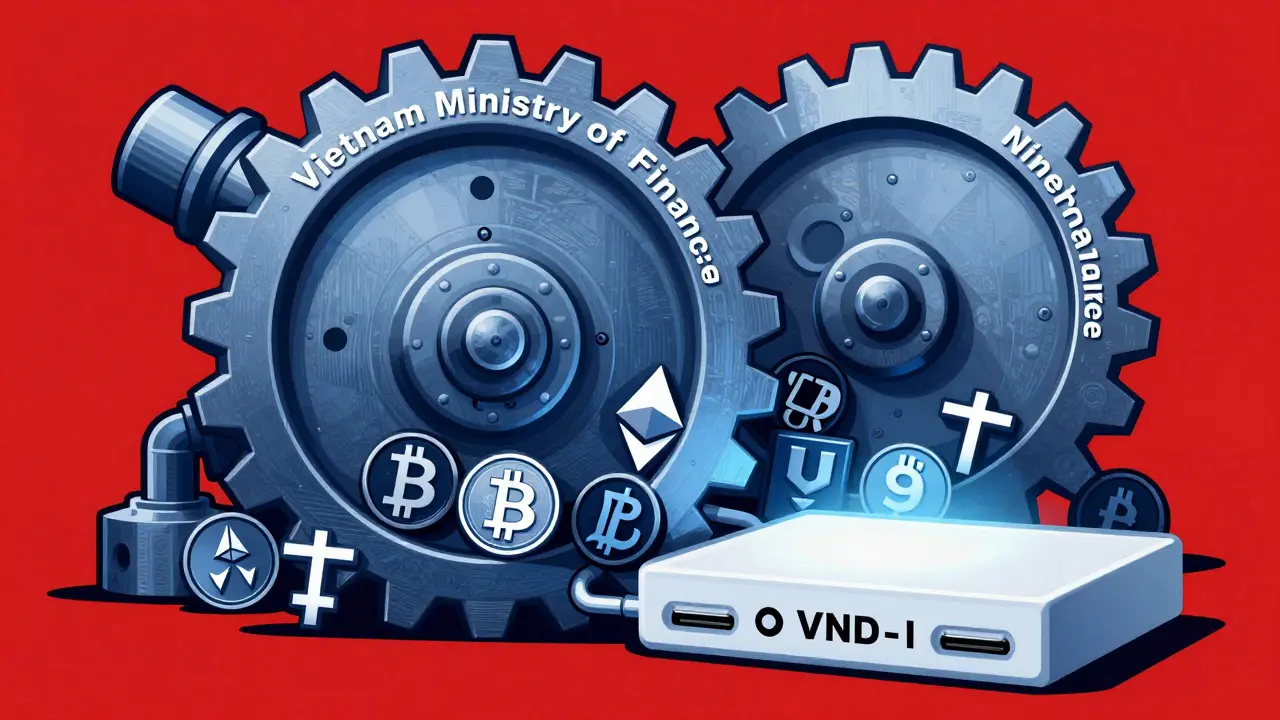
Vietnam’s new crypto laws distinguish between trading and payment: trading is legal only on licensed platforms using VND, while crypto payments remain legally undefined. Learn what’s allowed, what’s risky, and what’s coming in 2026.
read more