P2P Crypto Tunisia: Peer-to-Peer Trading, Regulations, and Real-World Use
When people in Tunisia trade crypto without banks or exchanges, they’re using P2P crypto, a direct way to buy and sell digital assets between individuals, often with local currency like the Tunisian dinar. Also known as peer-to-peer trading, it’s become a lifeline for those locked out of traditional finance or facing currency controls. This isn’t theory—it’s daily practice for thousands who use apps like LocalBitcoins, Paxful, and Binance P2P to get Bitcoin, USDT, or other coins without going through a bank.
Why Tunisia? The country has high inflation, limited access to foreign currency, and strict banking rules that make it hard to move money abroad. So people turn to P2P exchanges, platforms that connect buyers and sellers directly, often with escrow protection. Also known as peer-to-peer marketplaces, they let Tunisians pay via mobile money, bank transfer, or even cash in person. Unlike centralized exchanges that block users by country, P2P lets anyone with a phone and internet trade. But it’s not risk-free. Scammers exist, and some users get trapped in fake payment screenshots or delayed transfers. That’s why knowing who you’re trading with—and using platform escrow—is non-negotiable.
Then there’s the legal side. Tunisia doesn’t ban crypto, but it doesn’t officially recognize it either. The central bank warns against it, and banks often freeze accounts linked to crypto activity. This gray zone pushes most trading underground—right into P2P. No one’s getting licensed here. No one’s filing taxes on crypto gains (yet). But people still trade. Why? Because they need to protect savings from devaluation, send money home to family abroad, or buy goods from global sellers who only accept crypto.
What you’ll find in the posts below aren’t generic guides. These are real stories: how Tunisians use USDT to pay for web hosting, how a student bought Bitcoin via mobile wallet to fund a study abroad trip, why one trader switched from Binance to Paxful after his bank account got frozen. You’ll see what works, what doesn’t, and who actually got burned. No fluff. No hype. Just what people are doing right now, on the ground, in Tunisia, with their own money on the line.
Posted by
HELEN Nguyen
5 Comments
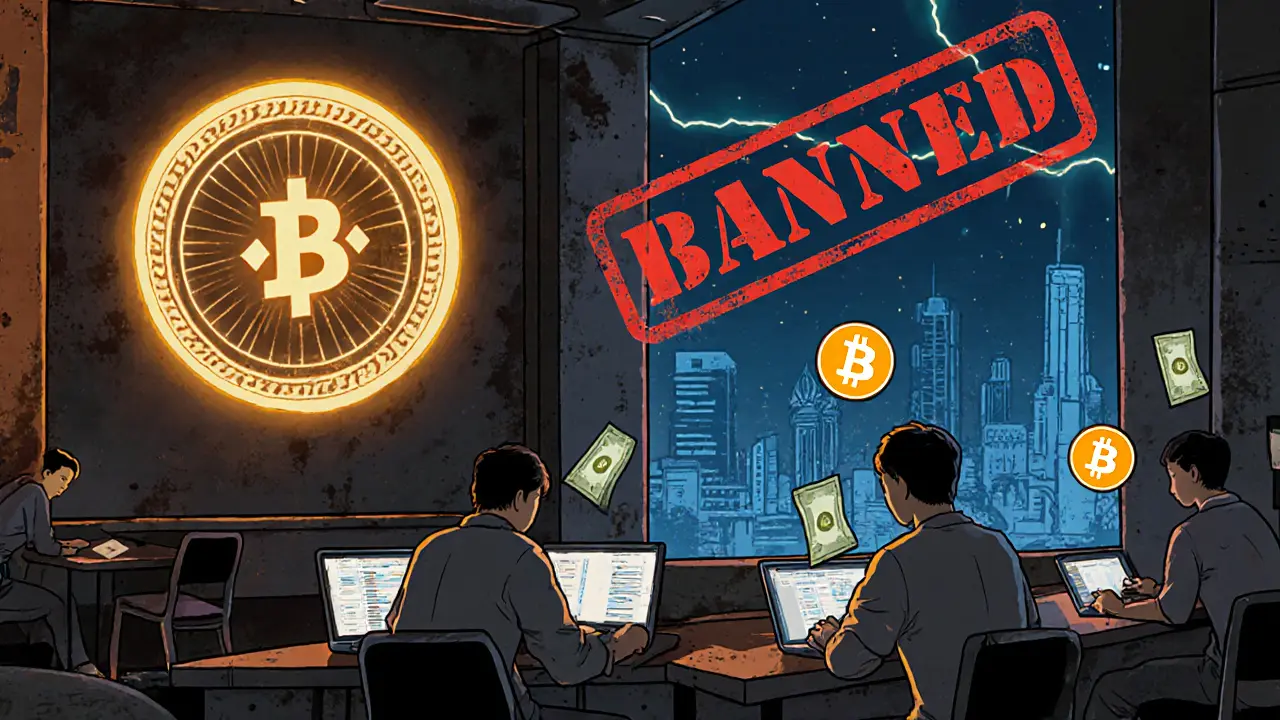
Despite a total ban since 2018, underground crypto trading thrives in Tunisia through VPNs and peer-to-peer platforms. Traders use Bitcoin, USDT, and cash workarounds to bypass bank blocks-risking arrest but gaining financial freedom.
read more