Nigerian SEC crypto licensing: Rules, penalties, and what traders must know
When it comes to Nigerian SEC crypto licensing, the regulatory framework that controls how crypto businesses operate in Nigeria. Also known as Nigeria’s crypto licensing rules, it’s the single biggest factor shaping whether a crypto exchange can legally serve Nigerian users—or get shut down overnight. This isn’t about vague guidelines. It’s about real licenses, mandatory audits, and fines that can reach millions of naira.
The Nigerian SEC, the Securities and Exchange Commission of Nigeria. Also known as SEC Nigeria, it’s the government body that enforces financial rules, including those for digital assets started cracking down hard in 2021 after a wave of unregulated platforms drained users’ funds. Since then, only companies that apply for and receive a license can legally offer crypto trading, custody, or token sales to Nigerians. Unlicensed platforms? They’re illegal. And the SEC doesn’t just warn them—they freeze bank accounts, block websites, and name and shame operators in public notices.
It’s not just exchanges that need licenses. Wallet providers, staking services, and even token issuers must now register with the SEC. If you’re running a crypto business in Nigeria, you need to prove you have anti-money laundering systems, KYC checks, and a clear audit trail. The crypto licensing Nigeria, the official process to gain legal permission to operate crypto services in Nigeria. Also known as SEC crypto registration, it’s not a formality—it’s a full compliance audit. Many small startups can’t afford the cost or paperwork, which is why you’ll still see unlicensed platforms operating in the shadows, using P2P apps and Telegram to avoid detection.
And if you ignore the rules? The penalties are brutal. Fines can hit up to ₦50 million ($30,000+), and executives can face jail time. The SEC has already shut down over a dozen platforms since 2022, including major names that once promised huge returns. They’ve also started working with banks to freeze accounts linked to unlicensed crypto activity. This isn’t a threat—it’s happening right now.
But here’s the real question: what does this mean for you? If you’re trading crypto in Nigeria, you’re not just a user—you’re part of a system that’s being tightly controlled. Using an unlicensed exchange puts your funds at risk. Even holding crypto on an unregistered wallet could become a problem if the SEC expands its reach. The safest path? Only use platforms that show their SEC license number clearly on their website. If they don’t have one, walk away.
Below, you’ll find real cases, breakdowns of compliance failures, and guides on how to spot licensed platforms before you deposit a single naira. No theory. No fluff. Just what’s actually working—and what’s getting shut down in Nigeria’s crypto space right now.
Posted by
HELEN Nguyen
6 Comments
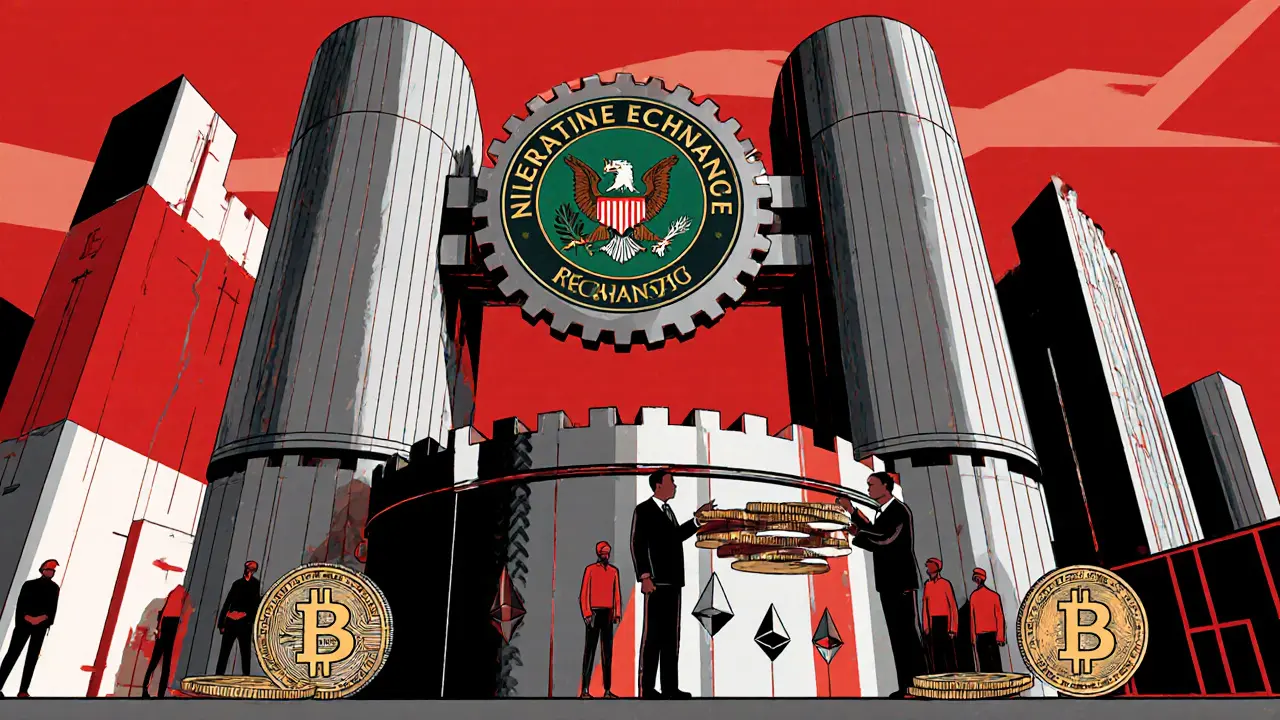
Nigeria's SEC now requires all crypto exchanges to obtain a license under the 2025 Investments and Securities Act. Learn the capital, compliance, and operational rules for legal operation in 2025.
read more