Nigeria Crypto Regulations 2025: What’s Legal, What’s Not, and How It Affects You
When it comes to Nigeria crypto regulations 2025, the official rules governing how Nigerians can buy, sell, and use digital assets under the authority of the Central Bank of Nigeria and SEC Nigeria. Also known as Nigerian cryptocurrency laws, these rules shape everything from peer-to-peer trading to business licensing—and they’re changing faster than most people realize. Unlike the outright ban in 2021, Nigeria’s current approach is more about control than prohibition. The Central Bank of Nigeria still blocks banks from processing crypto transactions, but that hasn’t stopped over 30 million Nigerians from holding Bitcoin, USDT, or other coins. Why? Because for many, crypto isn’t speculation—it’s survival.
Behind the scenes, the Central Bank of Nigeria, the federal institution responsible for monetary policy, currency issuance, and financial system oversight in Nigeria. Also known as CBN, it has been quietly pushing its own digital currency, the eNaira. Launched in 2021, the eNaira is now the only legally recognized digital currency in the country, and businesses that want to operate in crypto must eventually integrate with it. Meanwhile, the Securities and Exchange Commission Nigeria, the government body that regulates capital markets and enforces rules on digital asset offerings and exchanges in Nigeria. Also known as SEC Nigeria, it has started registering crypto platforms that meet anti-money laundering standards. That means if you’re running a P2P exchange or offering token sales, you’re now expected to register—or risk fines and shutdowns.
What about taxes? In 2025, the Federal Inland Revenue Service started requiring individuals to report crypto gains over ₦500,000 annually. No one’s getting audited for buying $100 of Bitcoin, but if you’re trading daily or running a mining operation, you’re on the radar. The government doesn’t have a clear tax rate yet, but they’re watching how other countries handle it—especially Ghana and South Africa. And while you won’t find official guidance on staking or DeFi income, experts say the safest move is to keep records. If you’re using Binance, Bybit, or P2P platforms like Paxful, your transaction history could become your tax return.
There’s also the underground reality: millions still trade using WhatsApp, Telegram, and cash meetups. Banks won’t touch crypto, so people use mobile money agents, forex dealers, and even local traders to swap Naira for USDT. It’s risky—scams are common—but it’s also the only way for many to send money home, pay for imports, or protect savings from inflation. The government knows this. That’s why enforcement is patchy. They shut down a few big platforms, but they haven’t arrested a single P2P trader.
What you’ll find below are real, up-to-date breakdowns of what’s allowed, what’s dangerous, and who’s getting caught. From how the eNaira affects your wallet to why some crypto exchanges got banned overnight, these posts cut through the noise. You won’t find guesses or opinions—just what’s happened, what’s changing, and what you need to do to stay clear of trouble in 2025.
Posted by
HELEN Nguyen
6 Comments
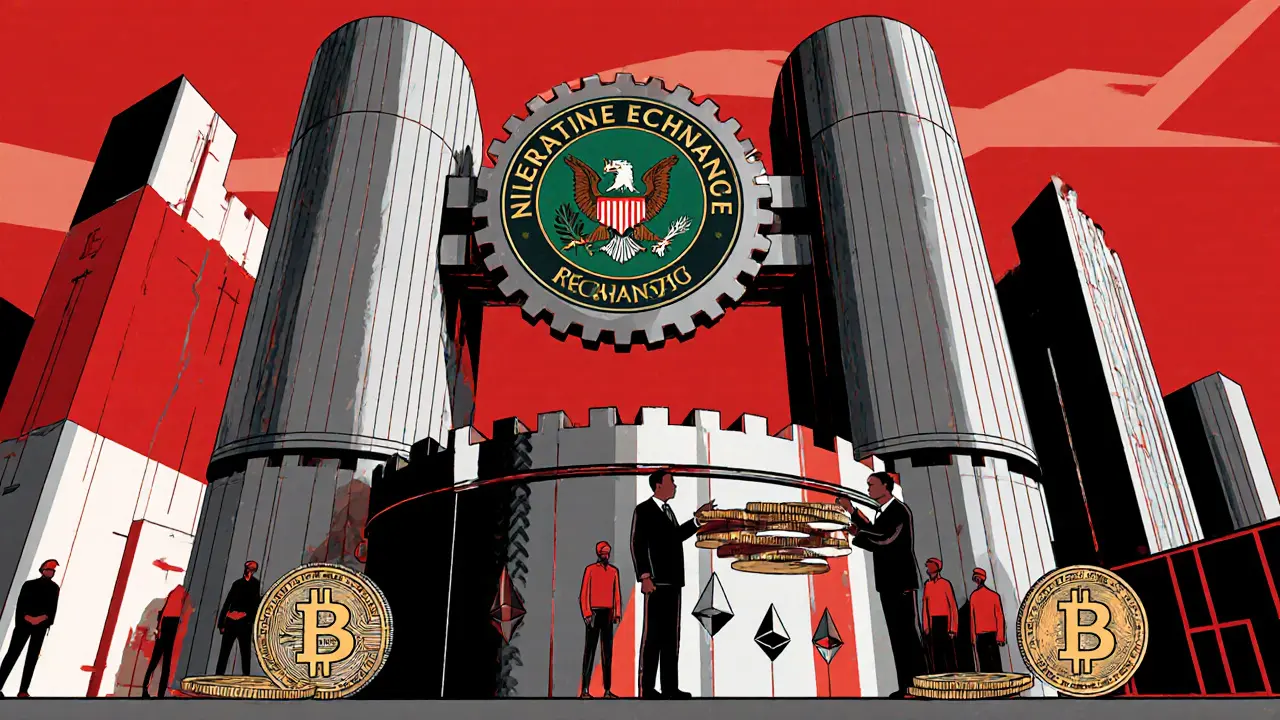
Nigeria's SEC now requires all crypto exchanges to obtain a license under the 2025 Investments and Securities Act. Learn the capital, compliance, and operational rules for legal operation in 2025.
read more