NFT Games: What They Are, How They Work, and Where to Start
When you play an NFT game, a type of blockchain-based game where in-game items are unique digital assets you truly own. Also known as play-to-earn games, they let you buy, sell, or trade characters, weapons, land, or skins as NFTs—non-fungible tokens stored on a blockchain. Unlike regular games where items disappear when you quit, NFT games give you real control over your digital stuff.
These games aren’t just about collecting pixels. They’re built on networks like Ethereum, Solana, or Polygon, and often tie into blockchain games that reward players with tokens you can cash out. Some people play to earn—trading rare skins or completing quests to get paid in crypto. Others play because they believe in the project, want to own part of a virtual world, or just like the gameplay. But here’s the catch: not all NFT games are worth your time. Many have crashed, abandoned their communities, or turned into pure gambling schemes. The ones that last? They focus on fun first, money second.
Real success stories like Axie Infinity showed what’s possible—players in the Philippines earned more than minimum wage just by playing. But that boom didn’t last. Today, the best NFT games are quieter, more focused, and built for long-term players, not speculators. They use tokens not just as rewards but as tools for governance, upgrades, or unlocking content. And while the hype has cooled, the core idea remains powerful: your in-game items shouldn’t belong to a company—they should belong to you.
What you’ll find in the posts below aren’t flashy promises or get-rich-quick guides. They’re real, grounded looks at what’s actually working in NFT gaming right now. From step-by-step guides on buying and selling NFTs, to deep dives on why some projects died and others survived, this collection cuts through the noise. You’ll see how fees work, which marketplaces actually matter, and what red flags to watch for. No fluff. Just what you need to play smart—if you decide to play at all.
Posted by
HELEN Nguyen
8 Comments
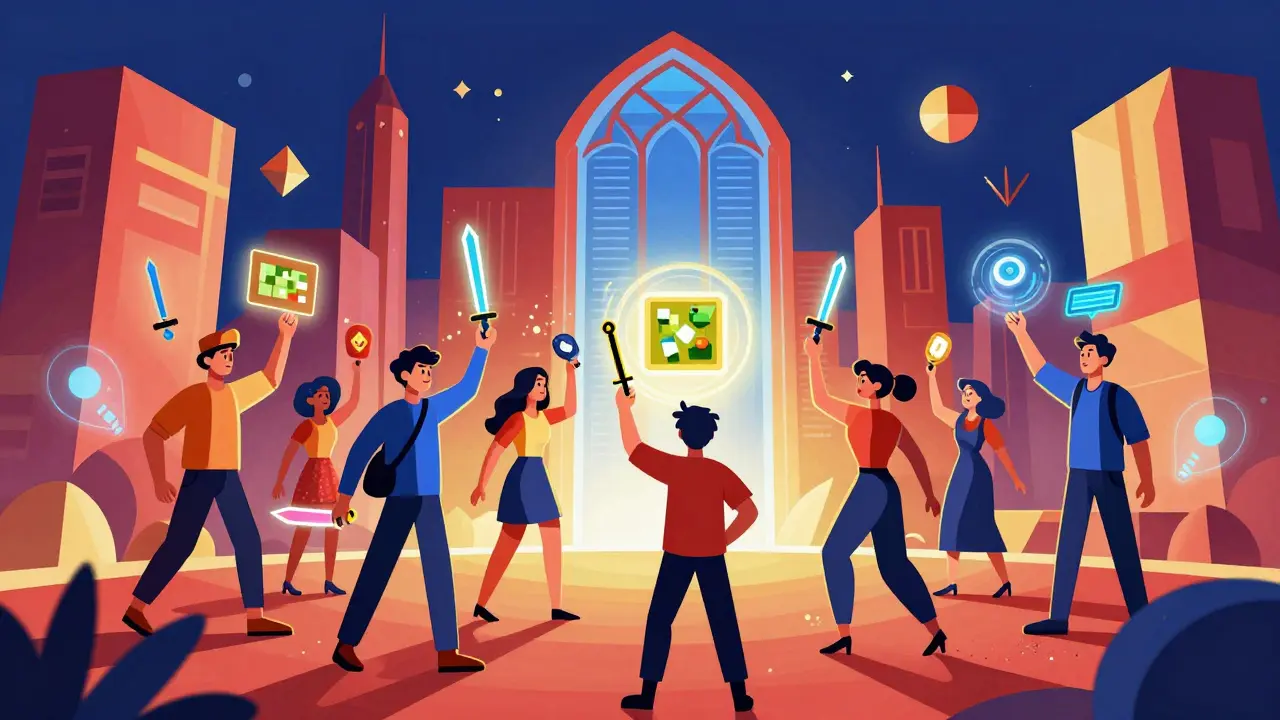
Blockchain gaming is reshaping digital entertainment by giving players real ownership and income from in-game assets. By 2025, it's becoming the main gateway to the metaverse-with real earnings, DAO governance, and growing enterprise adoption.
read more