Korean crypto market: Regulations, adoption, and what’s really happening
When you think of the Korean crypto market, the highly regulated but fiercely active cryptocurrency ecosystem in South Korea. Also known as South Korea cryptocurrency market, it’s one of the few places where retail traders outpace institutional players, and where government crackdowns haven’t stopped adoption—they’ve just pushed it underground. This isn’t just about Bitcoin or Ethereum. It’s about how a nation of 52 million people turned crypto into a daily tool for remittances, savings, and even side income—despite bans, taxes, and exchange shutdowns.
The South Korea cryptocurrency, a market shaped by intense regulatory scrutiny and public demand. Also known as Korean crypto ecosystem, it operates under some of the strictest rules in the world. Exchanges must register with the Financial Services Commission, enforce KYC, and report all transactions. But here’s the twist: while big platforms like Bithumb and Upbit face heavy oversight, peer-to-peer trading through Telegram, KakaoTalk, and local cash deals exploded. Over 10 million Koreans—nearly 20% of the population—have held crypto at some point, according to local surveys. They’re not chasing hype. They’re using it to protect savings from inflation, send money abroad without bank fees, and bypass capital controls. And it’s not just individuals. Korean investors were among the first to drive global price spikes for new tokens, not because they had insider info, but because they traded with real money—fast, often, and without waiting for permission.
Then there’s the crypto regulations Korea, the complex web of rules that try to control trading, taxation, and exchange operations. Also known as Korean crypto laws, they’re designed to prevent money laundering and protect consumers. But in practice, they’ve created a gray zone. For example, while domestic exchanges can’t offer leverage trading or derivatives, Koreans still access these tools through offshore platforms using VPNs. Tax reporting is mandatory, but enforcement is patchy. Many traders simply don’t file—because the system feels broken, not because they’re trying to cheat. The government knows this. That’s why they keep tightening rules: they’re not trying to stop crypto. They’re trying to bring it into the light—on their terms. Meanwhile, crypto adoption Korea, the real-world use of digital assets by everyday people. Also known as Korean crypto usage,> is growing in ways regulators didn’t predict. Stablecoins like USDT are used for daily payments in small businesses. Crypto remittances to family overseas are cheaper than traditional wire transfers. Even teens are buying small amounts of crypto as a learning tool—not as a gamble, but as a new kind of financial literacy.
What you’ll find in the posts below isn’t just news or opinions. It’s the raw, unfiltered truth about how the Korean crypto market actually works—when banks say no, when exchanges shut down, when the government cracks down, and when people still find a way to trade. You’ll see how real people navigate restrictions, what platforms survive the purges, and why crypto keeps thriving here even when it’s supposed to be dead.
Posted by
HELEN Nguyen
9 Comments
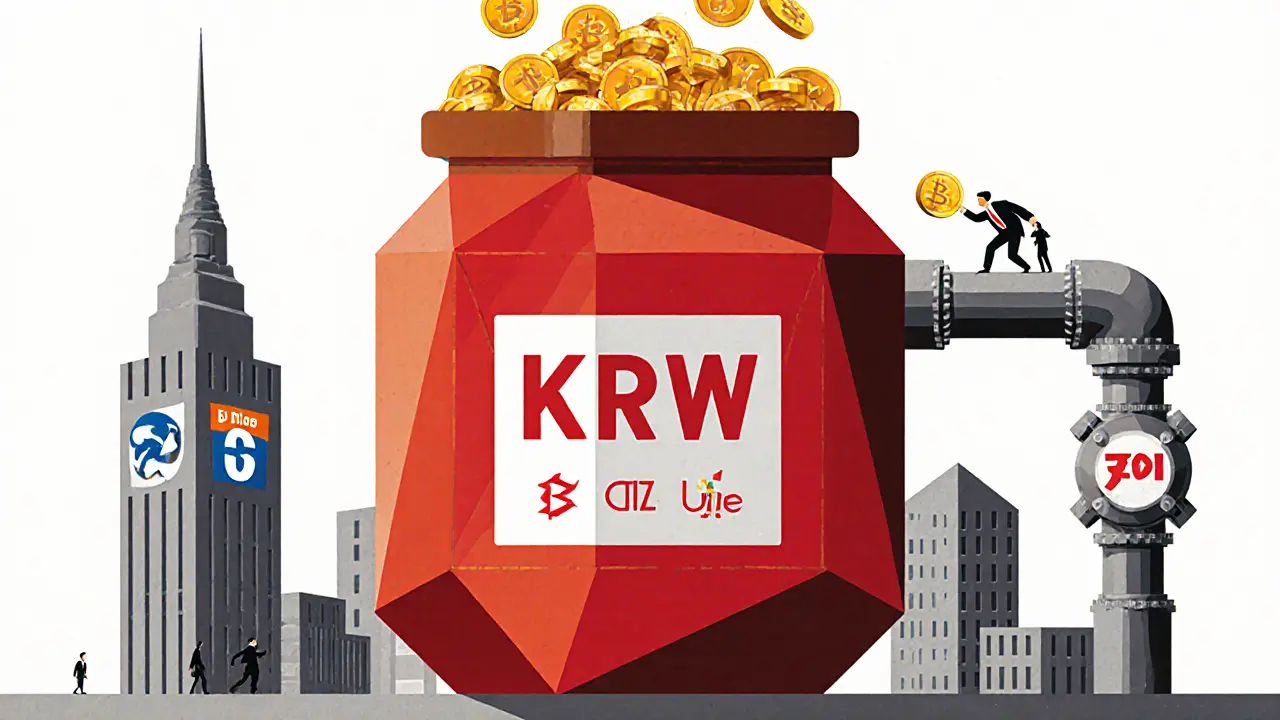
The kimchi premium explains why Bitcoin costs more in South Korea than anywhere else-due to high local demand, strict capital controls, and regulations that block foreign traders. It's not a glitch, it's a market reality.
read more