Kimchi Premium
When you buy Bitcoin in South Korea, you often pay more than someone buying it in the U.S. or Europe. This price gap is called kimchi premium, the extra cost investors in South Korea pay for Bitcoin compared to global markets. Also known as Korean Bitcoin premium, it’s not a glitch—it’s a pattern shaped by capital controls, local demand, and limited exchange access. It’s called kimchi premium because it’s tied to South Korea, where kimchi is a national staple—just like Bitcoin is for many local traders.
This isn’t just about curiosity. The kimchi premium, the extra cost investors in South Korea pay for Bitcoin compared to global markets. Also known as Korean Bitcoin premium, it’s a pattern shaped by capital controls, local demand, and limited exchange access. happens because South Koreans face strict rules on moving money abroad. Banks limit how much you can send overseas, so buying Bitcoin locally becomes the easiest way to hold foreign-value assets. At the same time, local traders are hungry for crypto as a hedge against inflation and a way to bypass traditional finance. This mix of high demand and restricted supply pushes prices up—sometimes by 10%, 20%, or even more.
The crypto arbitrage, the practice of buying an asset in one market and selling it in another for profit opportunity here is real. Traders who can move funds quickly—through peer-to-peer platforms or offshore wallets—can buy low overseas and sell high in Korea. But it’s not easy. Exchange restrictions, withdrawal delays, and sudden regulatory crackdowns make it risky. The Korea crypto prices, the local market rates for cryptocurrencies in South Korea, often influenced by domestic demand and capital controls don’t stay high forever. They spike during bull runs, panic sell-offs, or when global crypto news hits—and then collapse just as fast.
What you’ll find in these posts aren’t theories. They’re real cases: how traders exploited kimchi premium during the 2021 Bitcoin rally, why it vanished during China’s crypto ban, and how South Korean exchanges reacted when regulators cracked down on foreign transfers. You’ll see how some traders turned this price gap into a short-term profit engine—and why most got burned when the premium disappeared overnight. This isn’t about getting rich quick. It’s about understanding how geography, regulation, and human behavior create hidden opportunities—and risks—in crypto markets.
Posted by
HELEN Nguyen
9 Comments
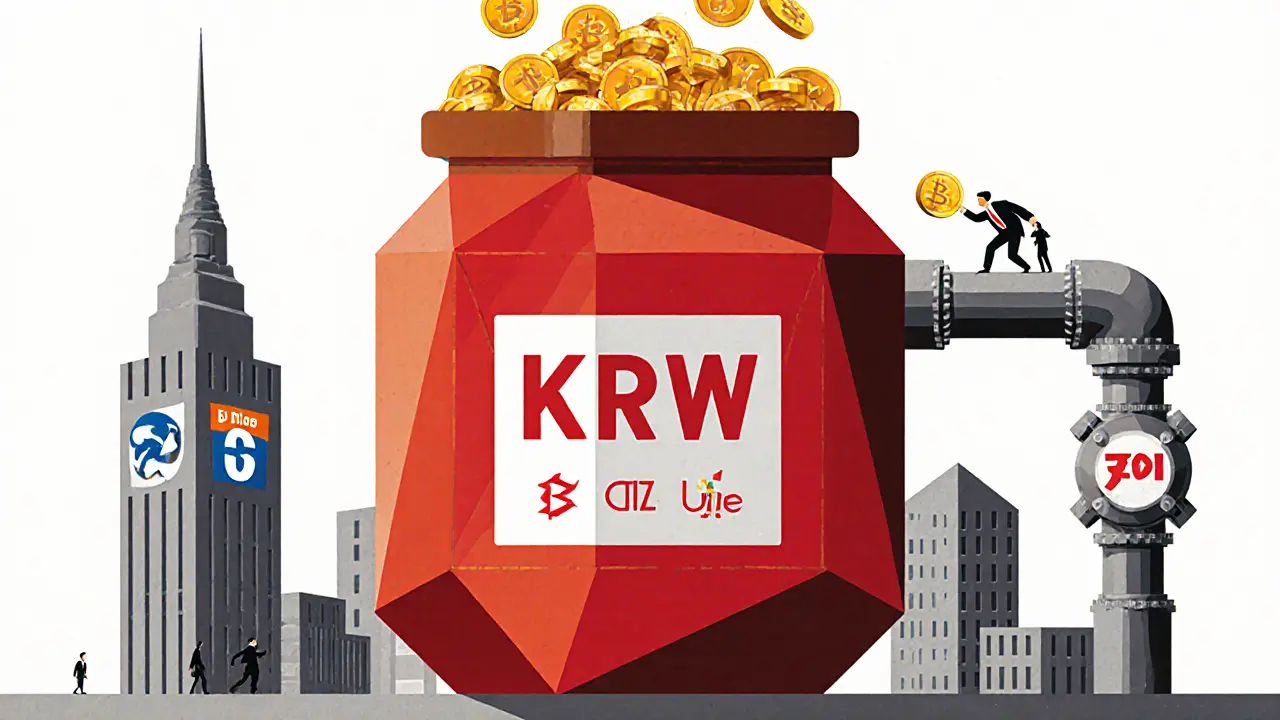
The kimchi premium explains why Bitcoin costs more in South Korea than anywhere else-due to high local demand, strict capital controls, and regulations that block foreign traders. It's not a glitch, it's a market reality.
read more