IRGC Bitcoin: What It Is, Why It Matters, and What You Need to Know
When people talk about IRGC Bitcoin, the intersection of Iran’s Islamic Revolutionary Guard Corps and Bitcoin usage under state sanctions. Also known as Iranian crypto under military pressure, it’s not a cryptocurrency—it’s a geopolitical tension point. The IRGC doesn’t issue Bitcoin. It doesn’t mine it. But it’s the reason Bitcoin exists at all in Iran today.
Iran’s government has banned crypto exchanges since 2019, calling them a threat to national currency and financial sovereignty. Yet, the IRGC—a powerful military and economic force inside Iran—has quietly allowed crypto to thrive in the shadows. Why? Because Bitcoin lets Iranians bypass U.S. sanctions, send money overseas, and protect savings from hyperinflation. Over 15 million Iranians now hold crypto, mostly Bitcoin and USDT. Most of them aren’t speculators. They’re parents, doctors, and shop owners using crypto to feed their families.
This isn’t just about money. It’s about control. The IRGC runs Iran’s foreign trade, its banking system, and its cyber operations. When the U.S. freezes Iranian bank accounts, the IRGC turns to peer-to-peer crypto networks. When banks block international transfers, Iranians use Telegram bots to trade Bitcoin for cash. The IRGC doesn’t stop it—because it profits from it. Reports show IRGC-linked entities use crypto to buy dual-use tech, evade asset freezes, and fund overseas operations. Meanwhile, regular Iranians risk arrest just to access their own savings.
So when you hear "IRGC Bitcoin," don’t think of a coin. Think of a system: one where a military force lets its own people break the law to survive, while using that same system to undermine the very sanctions meant to weaken it. It’s a paradox. And it’s happening right now.
Across the posts below, you’ll find real stories of how crypto works in Iran, how sanctions shape trading, what happens when exchanges get shut down, and who’s really controlling the flow of digital money. You’ll see how Bitcoin became Iran’s unofficial currency—not because of tech, but because of necessity. And you’ll learn why governments that ban crypto often end up relying on it anyway.
Posted by
HELEN Nguyen
6 Comments
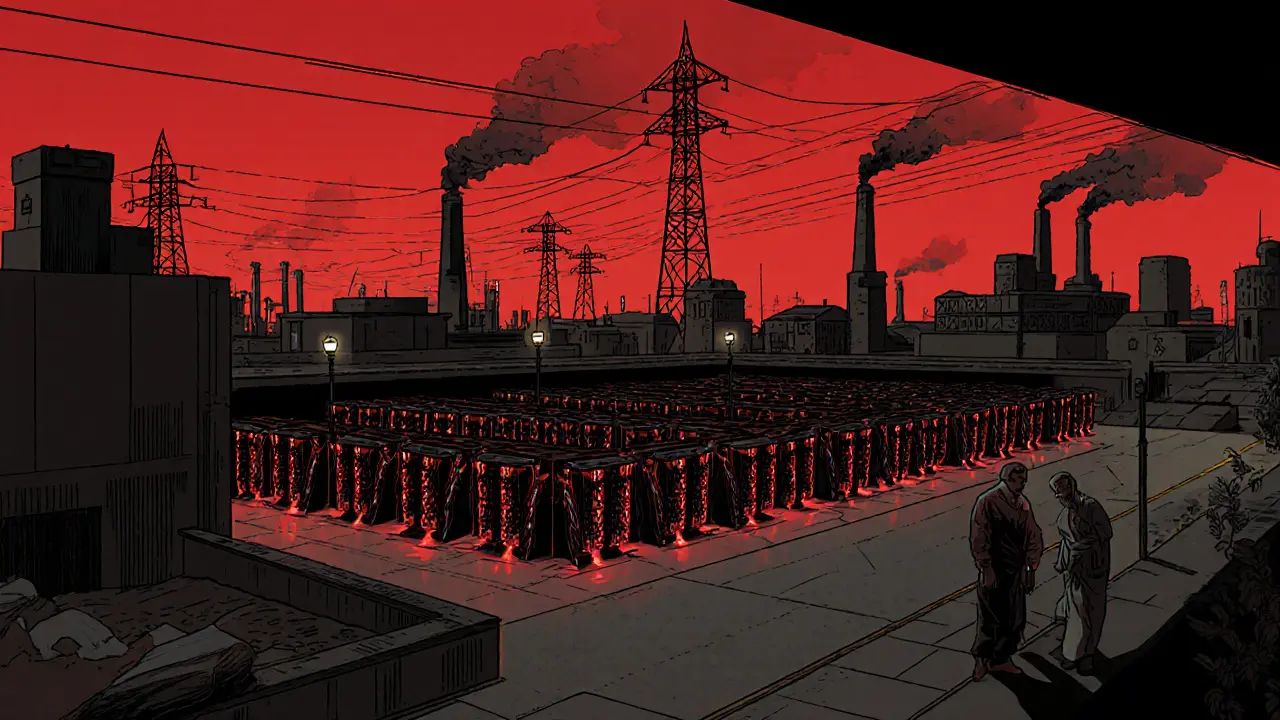
Iran's IRGC runs unlicensed crypto mining operations that steal electricity from citizens, fuel sanctions evasion, and fund regional conflicts. While ordinary Iranians face blackouts, military-linked farms mine Bitcoin 24/7 with no oversight.
read more