Iran energy crisis: How power shortages drive crypto adoption and underground trading
When the lights go out in Tehran, many Iranians don’t just reach for candles—they reach for their phones and open a crypto wallet. The Iran energy crisis, a prolonged shortage of reliable electricity caused by aging infrastructure, mismanagement, and international sanctions has turned crypto from a speculative asset into a survival tool. For millions, Bitcoin and USDT aren’t investments—they’re a way to protect savings from hyperinflation, send money abroad without banks, and keep trading when the grid fails. This isn’t theory. It’s daily life.
What makes this different from other crypto markets is the direct link between energy access, the physical ability to run mining rigs and keep devices charged and crypto adoption, how people use digital assets when traditional systems collapse. In Iran, miners don’t just compete for block rewards—they compete for diesel generators and backup batteries. Some trade crypto using cash through P2P platforms like LocalBitcoins, while others use VPNs to bypass banking blocks. The government bans crypto, but it can’t ban the need for money that works when the power grid doesn’t. This isn’t about getting rich—it’s about staying solvent.
And it’s not just individuals. The same forces that make crypto useful for families are pushing underground exchanges to grow. Unlike Nigeria or Pakistan, where crypto adoption is driven by remittances and youth innovation, Iran’s case is rooted in desperation. The Iran energy crisis forces people into a corner where crypto becomes the only reliable financial layer left. That’s why, despite crackdowns and arrests, crypto use keeps rising. You won’t find official stats, but anecdotal reports from traders, miners, and even journalists suggest millions are now using crypto daily—not because they believe in decentralization, but because they have no other choice.
Below, you’ll find real stories and breakdowns of how people in Iran and similar regions are using crypto under extreme conditions. From P2P workarounds to how mining rigs run on stolen grid power, these posts don’t sugarcoat it. They show what happens when a nation’s infrastructure fails—and its people turn to blockchain not for profit, but for protection.
Posted by
HELEN Nguyen
6 Comments
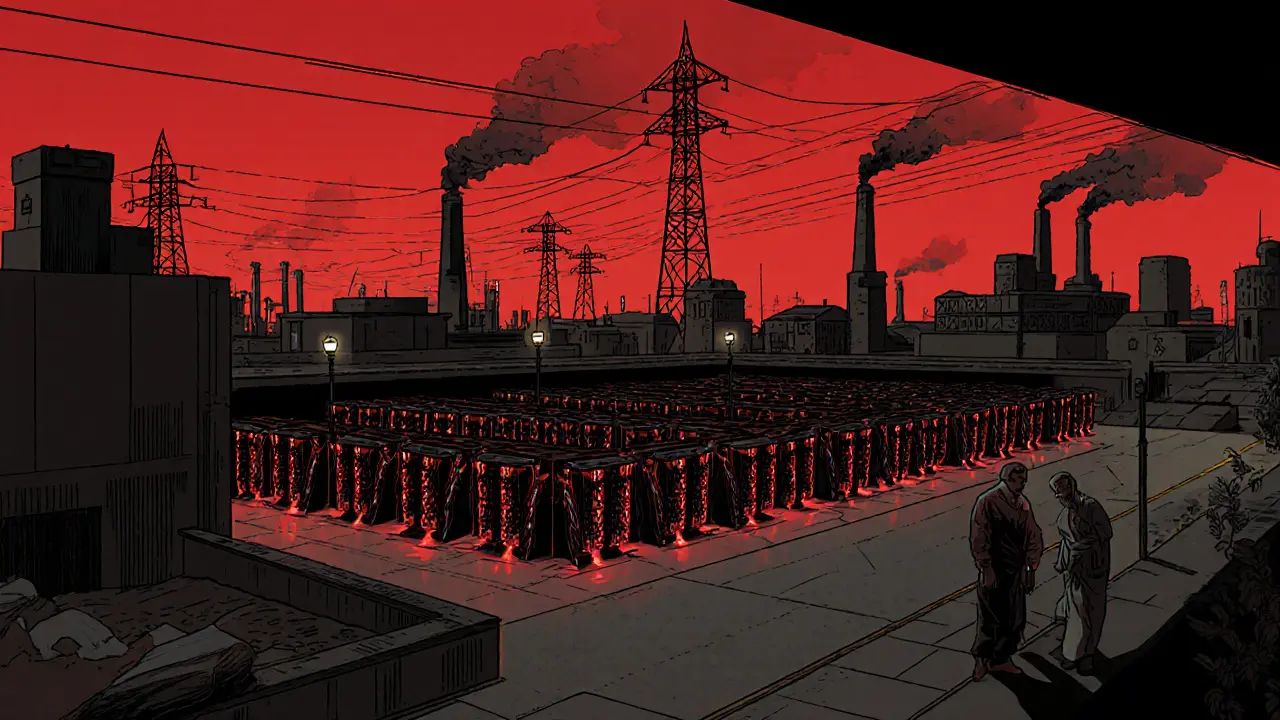
Iran's IRGC runs unlicensed crypto mining operations that steal electricity from citizens, fuel sanctions evasion, and fund regional conflicts. While ordinary Iranians face blackouts, military-linked farms mine Bitcoin 24/7 with no oversight.
read more