Germany Cryptocurrency Compliance: Rules, Taxes, and What You Must Know
When you trade or hold crypto in Germany cryptocurrency compliance, the set of legal and financial rules enforced by German authorities to monitor digital asset activity. Also known as German crypto regulations, it covers everything from how you report gains to which exchanges you can legally use. Unlike countries that treat crypto as property or currency, Germany classifies it as a financial instrument — which means every trade, swap, or sale triggers tax consequences.
If you’re running a crypto business, you need a license from BaFin, Germany’s Federal Financial Supervisory Authority, which regulates all financial services including digital assets. BaFin doesn’t just want your paperwork — it demands full KYC, AML controls, and proof you can secure customer funds. For individuals, the key is holding period: if you sell crypto after one year, you pay zero tax. But if you trade it sooner, profits are added to your income and taxed at your personal rate — up to 45%. This isn’t optional. In 2024, German tax offices started cross-checking data from exchanges like Bitpanda and Kraken with bank records. Missing a report can mean fines up to €25,000.
And it’s not just about taxes. AML crypto Germany, anti-money laundering rules that require crypto platforms to track and report suspicious transactions. Any platform serving German users must verify identities, monitor wallet activity, and flag transfers over €1,000. That’s why many international exchanges block German IPs — they don’t want the paperwork. But if you’re using a DEX or peer-to-peer trade, you’re still on the hook. The law applies to you, not just the platform.
There’s no gray area here. The German government doesn’t want to ban crypto — it wants to control it. That’s why you’ll find guides on how to file crypto taxes, how to prove your holding period, and how to avoid triggering an audit. You’ll also find warnings about fake exchanges that pretend to be compliant, or airdrops that ignore German reporting rules. Every post in this collection is built around real cases, real penalties, and real rules that affect your wallet.
Whether you’re a trader, a business owner, or just someone who bought Bitcoin in 2021 and forgot to report it — this is the resource you need. You won’t find fluff here. Just clear facts, real examples, and what actually happens when you cross the line in Germany’s crypto system.
Posted by
HELEN Nguyen
7 Comments
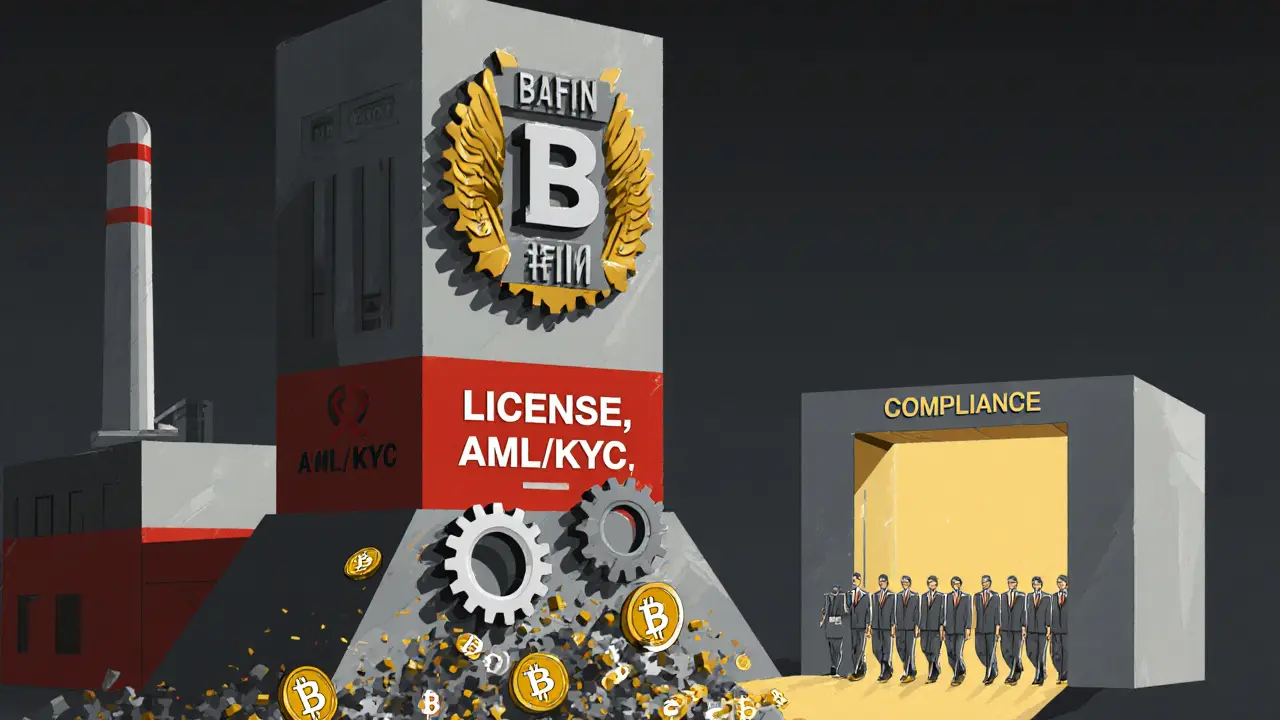
Germany's BaFin enforces strict crypto regulations under MiCAR. Learn what licenses you need, how to comply with AML rules, and what happened in 2025 when unlicensed firms were shut down.
read more