Crypto Trading in Bolivia: Rules, Risks, and Real-World Access
When it comes to crypto trading Bolivia, the practice of buying, selling, or holding digital assets within Bolivia’s borders. Also known as Bitcoin trading in Bolivia, it’s not illegal—but it’s also not protected by any law. There’s no official ban like in China, no licensing system like in Australia, and no clear tax rules like in the UAE. That’s not freedom—it’s uncertainty. People trade anyway, because inflation is crushing the boliviano, banks are slow, and remittances from abroad are hard to receive.
Most traders in Bolivia use P2P crypto, peer-to-peer platforms where users trade directly with each other using cash, mobile payments, or bank transfers. Also known as local Bitcoin trading, this method skips exchanges entirely. Platforms like LocalBitcoins and Paxful are popular, even though they’re not officially recognized. You’ll find sellers in Santa Cruz or La Paz who accept cash in exchange for USDT or Bitcoin, often at a 5-10% premium because of the risk. This isn’t just for tech-savvy users—it’s for teachers, drivers, and small business owners who need a way to protect their savings.
There’s no crypto exchange Bolivia, a regulated platform licensed to offer crypto trading services within the country. Also known as Bolivian crypto platform, such a thing doesn’t exist. You won’t find Binance or Coinbase operating legally here. That means no KYC, no customer support, no insurance. If you get scammed, there’s no government agency to call. The Bolivia cryptocurrency regulations, the lack of formal rules governing digital assets in the country. Also known as crypto legal status Bolivia, it’s a vacuum. The central bank has warned about risks, but never defined what’s allowed. That’s why traders rely on VPNs, WhatsApp groups, and word-of-mouth to stay safe.
What you’ll find in the posts below are real stories and hard facts about how people actually trade crypto in Bolivia. You’ll see how traders avoid bank blocks, why USDT dominates over Bitcoin, and what happens when the power goes out during a trade. There are reviews of platforms used locally, warnings about fake brokers, and breakdowns of the cash-in, cash-out process. You’ll also learn how this compares to underground crypto scenes in Tunisia or Iran—places where people trade for survival, not speculation. This isn’t about getting rich quick. It’s about staying financially alive in a country where the system doesn’t work for most people.
Posted by
HELEN Nguyen
7 Comments
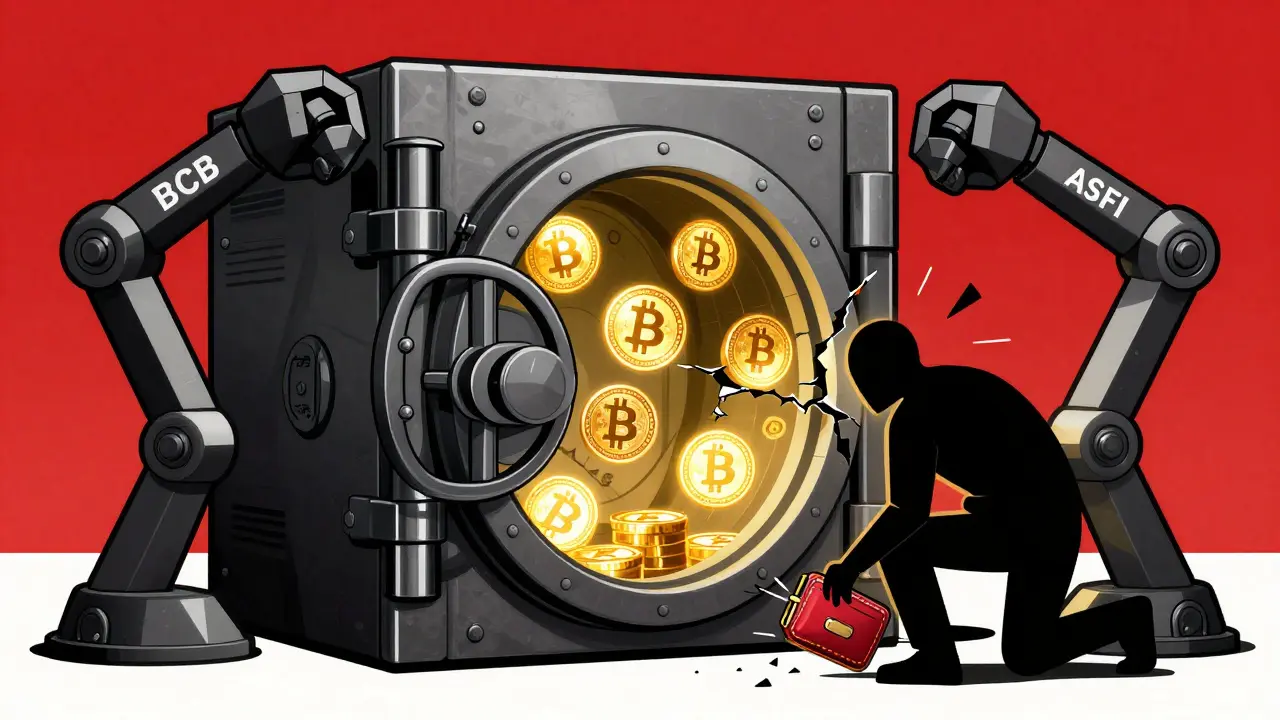
Bolivia lifted its crypto ban in 2024, making trading legal - but only through licensed banks. Know the penalties for bypassing approved channels and how taxes apply to personal vs. business crypto use in 2025.
read more