Crypto Regulation in Pakistan: What’s Legal, What’s Blocked, and What You Need to Know
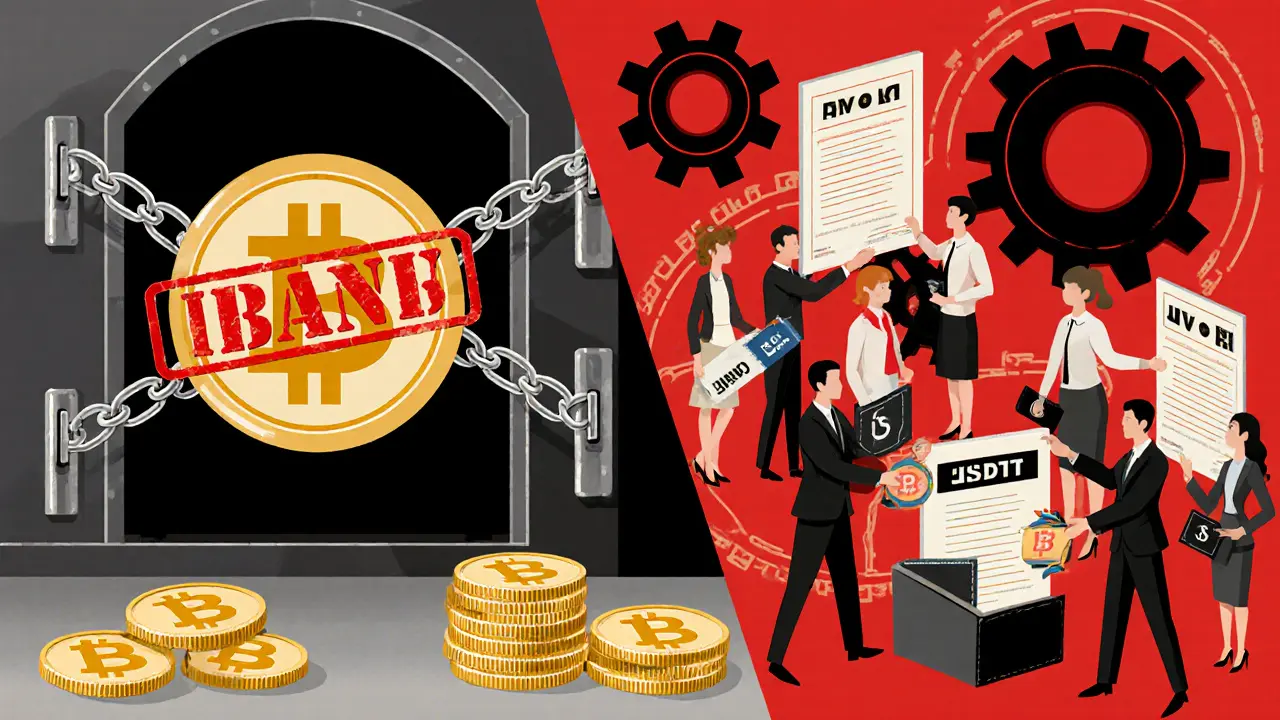
When it comes to crypto regulation in Pakistan, the official position is a de facto ban on cryptocurrency transactions by banks and financial institutions, enforced since 2021 by the State Bank of Pakistan. Also known as Pakistan crypto laws, this rule doesn’t make owning Bitcoin illegal—but using local banks to buy, sell, or convert crypto is. That’s why millions of Pakistanis are trading through peer-to-peer platforms, cash deals, and VPNs, risking fines or worse just to access global finance.
What makes crypto regulation in Pakistan, a confusing mess is the gap between policy and practice. While the central bank warns against crypto, the country’s youth and tech-savvy population have turned to USDT and Bitcoin as a hedge against inflation and currency devaluation. This isn’t just speculation—it’s survival. The Pakistan crypto laws never banned holding crypto, but they shut down every legal on-ramp. So people use local traders, WhatsApp groups, and unregulated exchanges to move money. Meanwhile, crypto trading Pakistan, has become a shadow economy, with estimates suggesting over 10 million users bypass the ban daily. This underground market thrives because the official system offers no alternative for young people trying to save, invest, or send money abroad.
There’s no clear path to legalization yet. Unlike Nigeria or Tunisia, where regulators are slowly trying to bring crypto into the light, Pakistan’s government keeps its distance. No licensing framework exists for exchanges. No tax rules are published for crypto gains. And no official guidance tells citizens how to stay safe. That’s why most users rely on trial and error, community forums, and word-of-mouth warnings. Some have lost money to fake platforms. Others got arrested for running P2P trades. But the demand won’t disappear. The real question isn’t whether crypto will survive in Pakistan—it’s whether the government will ever catch up.
Below, you’ll find real stories and breakdowns from people who’ve navigated this gray zone. You’ll see how traders avoid detection, what exchanges are still active despite the ban, and which crypto projects are quietly gaining traction. There’s no sugarcoating—this isn’t a guide to legal compliance. It’s a map of what’s actually happening on the ground.
Posted by
HELEN Nguyen
9 Comments
Pakistan rose to 3rd-4th globally in crypto adoption despite a 2018 ban, thanks to stablecoin use for remittances and inflation protection. Over 20 million citizens now hold crypto, driven by necessity, not speculation.
read more