Crypto Payment Vietnam: How It Works, Why It's Growing, and What to Watch
When it comes to crypto payment Vietnam, the use of digital currencies like Bitcoin and USDT to buy goods, send money, or trade outside the formal banking system. Also known as cryptocurrency adoption in Vietnam, it’s not about speculation—it’s survival. With inflation rising and traditional banking access limited for many, over 10 million Vietnamese now use crypto daily to pay for everything from street food to imported electronics.
At the heart of this shift is USDT, a stablecoin pegged to the U.S. dollar that lets users avoid wild price swings while moving value across borders. It’s the unofficial currency of choice in Vietnam’s underground crypto economy. People trade it via peer-to-peer platforms like Paxful and LocalBitcoins, swapping cash for tokens in parking lots, cafes, or even through WhatsApp. This isn’t illegal—yet—but it operates outside the control of the State Bank of Vietnam, which officially bans crypto as a payment method. Meanwhile, Bitcoin, the original decentralized currency. Also known as BTC, it’s used mostly for larger transfers, savings, and remittances from overseas workers—especially in cities like Ho Chi Minh and Hanoi.
What makes crypto payments in Vietnam different from other countries isn’t just the volume—it’s the creativity. People use VPNs to access global exchanges, QR codes to settle bills at small shops, and local traders to convert crypto into cash within minutes. Some even run crypto ATMs in back-alley kiosks. The government keeps warning against it, but enforcement is patchy. Unlike China, where crypto is outright banned, or Bolivia, where only licensed banks can handle it, Vietnam sits in a messy middle ground: not legal, not fully illegal, just ignored by most authorities. That’s why it’s growing faster than anywhere else in Southeast Asia.
If you’re wondering whether this trend will last, look at Pakistan and Tunisia—both banned crypto, yet saw massive adoption anyway. In Vietnam, the same pattern is playing out. People aren’t chasing get-rich-quick schemes. They’re using crypto because it works when the system doesn’t. The real question isn’t whether crypto payments will disappear—it’s whether Vietnam will ever catch up to its people’s needs.
Below, you’ll find real stories, scam warnings, and breakdowns of how crypto is actually used on the ground in Vietnam—from underground P2P networks to the apps locals trust. No theory. No fluff. Just what’s happening now.
Posted by
HELEN Nguyen
6 Comments
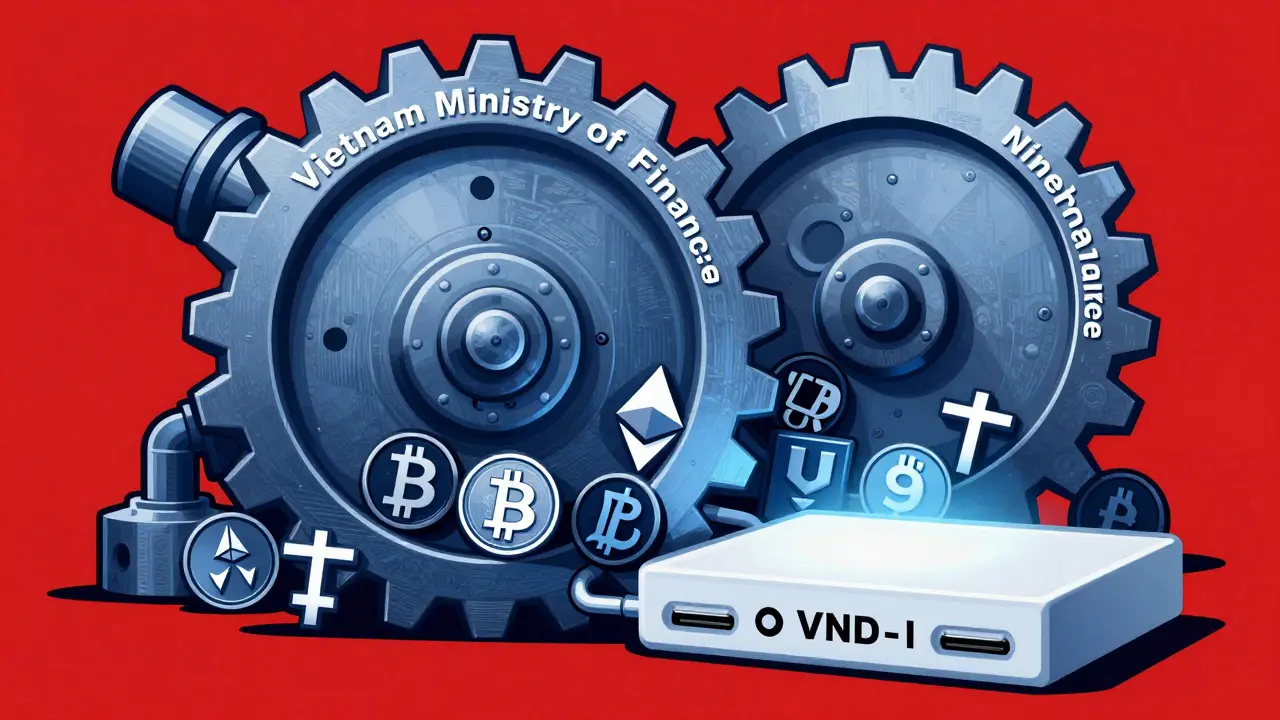
Vietnam’s new crypto laws distinguish between trading and payment: trading is legal only on licensed platforms using VND, while crypto payments remain legally undefined. Learn what’s allowed, what’s risky, and what’s coming in 2026.
read more