Crypto in Tunisia: Regulations, Access, and What’s Really Happening
When people talk about crypto in Tunisia, the use of digital currencies like Bitcoin and Ethereum by individuals and businesses in Tunisia, often outside traditional banking systems. Also known as digital currency adoption in Tunisia, it’s not about speculation—it’s about survival. With inflation eating away at the Tunisian dinar and banks limiting withdrawals, thousands of Tunisians turned to crypto not because it’s trendy, but because it’s one of the few ways to protect savings and send money abroad.
Unlike Nigeria or Pakistan, Tunisia doesn’t have clear crypto laws. The central bank has warned against using cryptocurrencies, calling them risky and unregulated. But that hasn’t stopped people. Many use peer-to-peer platforms like Paxful and LocalBitcoins to buy Bitcoin with cash or bank transfers. Others rely on decentralized exchanges, platforms like Uniswap or PancakeSwap that let users trade crypto without needing a bank account or ID. Also known as non-KYC exchanges, they’re essential for Tunisians who can’t pass strict identity checks. Some even use stablecoins like USDT to store value, bypassing currency controls and avoiding the daily drop in the dinar’s buying power.
What about taxes? Right now, Tunisia doesn’t have official rules for taxing crypto gains. That doesn’t mean you’re safe—tax authorities could change that tomorrow. But for now, most users operate in the blind, which is why so many rely on tools like CoinTracker or Koinly to track their trades manually. The real challenge isn’t technology—it’s access. Most global exchanges like Binance and Coinbase block Tunisian IP addresses or require documents most locals can’t provide. That’s why local P2P networks and Telegram groups have become the backbone of crypto activity in the country.
If you’re in Tunisia and using crypto, you’re not alone. You’re part of a quiet movement driven by necessity, not hype. Below, you’ll find real reviews of exchanges that actually work there, stories of people who’ve used crypto to pay bills or send money home, and warnings about platforms that look legit but vanish overnight. No theory. No guesswork. Just what’s happening on the ground.
Posted by
HELEN Nguyen
5 Comments
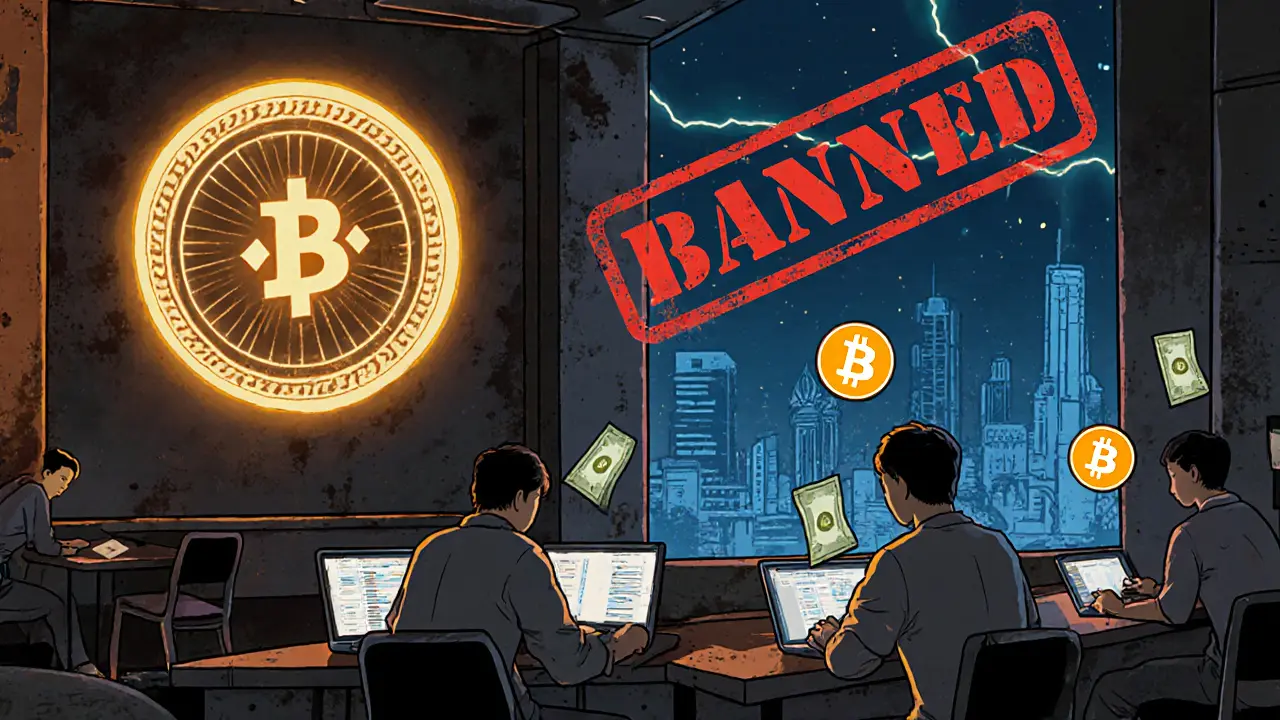
Despite a total ban since 2018, underground crypto trading thrives in Tunisia through VPNs and peer-to-peer platforms. Traders use Bitcoin, USDT, and cash workarounds to bypass bank blocks-risking arrest but gaining financial freedom.
read more