Crypto Exchange Security: How to Stay Safe When Trading Digital Assets
When you trade crypto on an exchange, you're trusting someone else with your money—and not all of them have your back. crypto exchange security, the practices and systems that protect your funds from theft, hacks, and fraud on centralized and decentralized platforms. Also known as digital asset protection, it’s what keeps your Bitcoin, Ethereum, or USDT from vanishing overnight. It’s not just about using strong passwords. It’s about understanding who runs the platform, how they handle your data, and whether they’re even legally allowed to operate in your country.
Real AML compliance, anti-money laundering rules that force exchanges to verify users and track suspicious activity. Also known as know-your-customer (KYC), it’s not just red tape—it’s a shield. Platforms like AUSTRAC, Australia’s financial intelligence agency that enforces crypto licensing and reporting and BaFin, Germany’s financial regulator that shuts down unlicensed crypto firms make exchanges prove they’re not fronts for criminals. If an exchange avoids these rules, it’s not a feature—it’s a warning sign. Look at what happened to Saturn Network and RightBTC: both vanished without warning, leaving users with nothing. No audits. No customer support. No legal oversight. That’s the opposite of secure.
And it’s not just about big names. Even small exchanges can be dangerous if they skip basic steps like two-factor authentication, a second layer of login protection that stops hackers even if they steal your password. Many people still use SMS-based 2FA—easily hacked. The safest ones use authenticator apps or hardware keys. Also, never keep large amounts on any exchange. If you’re not actively trading, move your crypto to a wallet you control. The biggest hacks in history didn’t come from super-sophisticated attacks—they came from lazy users and poorly run platforms.
You’ll find posts here that show you exactly how exchanges fail—like UPXIDE, a fake platform with no website, and Saturn Network, which shut down without a trace. You’ll see how regulation works in places like Nigeria, Australia, and Germany, and how unlicensed mining in Iran or underground trading in Tunisia exposes users to risk. You’ll learn why AML fines hit firms up to $500 million, and why even a single misstep can cost you everything. This isn’t theory. It’s real cases, real losses, and real fixes.
What you’ll find below isn’t a list of "best exchanges." It’s a collection of warnings, lessons, and truths about who you can actually trust. Whether you’re new to crypto or have been trading for years, the same rules apply: if it sounds too easy, it’s probably dangerous. If no one’s auditing it, don’t touch it. And if you don’t understand how it’s protected, you’re already at risk.
Posted by
HELEN Nguyen
5 Comments
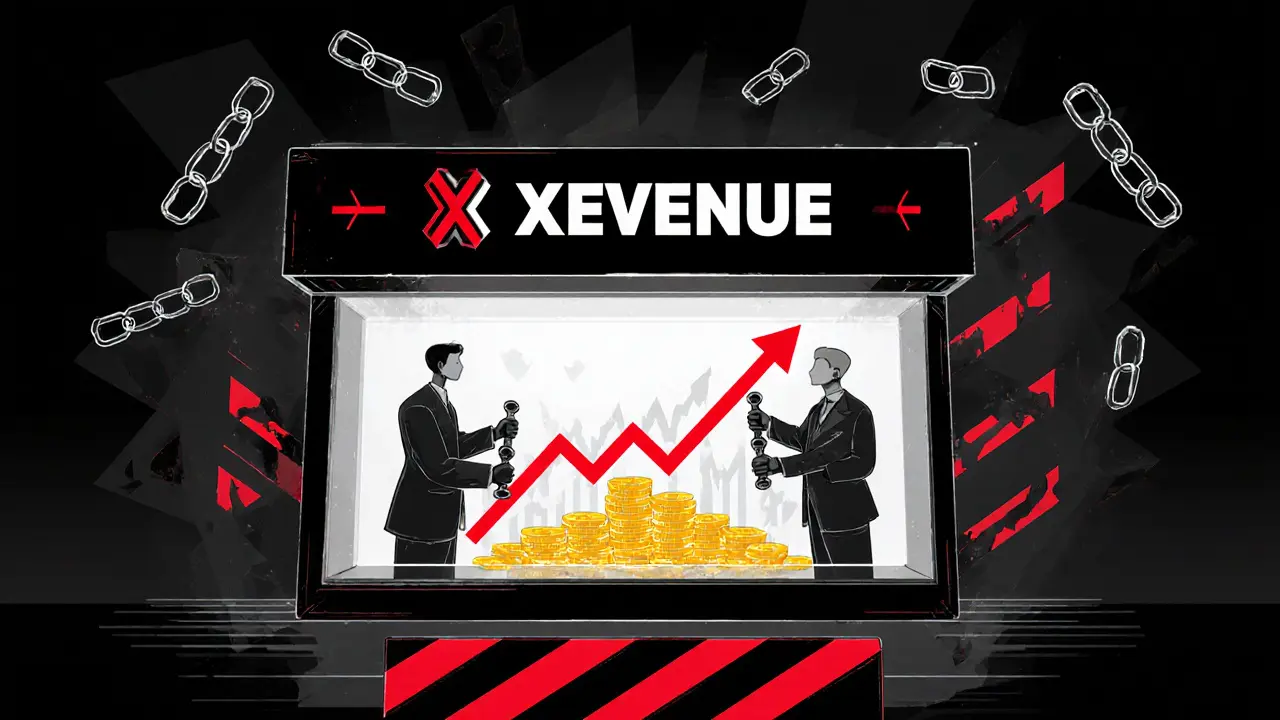
Xevenue crypto exchange is not a legitimate platform. No verified records, audits, or user reviews exist. Learn how to spot fake exchanges and protect your crypto from scams.
read more