Crypto Custody Germany: Safe Storage, Rules, and What You Need to Know
When you hold crypto in Germany, crypto custody, the secure management and storage of digital assets under legal and technical safeguards. Also known as crypto storage, it's not just about keeping your keys safe—it's about following strict rules set by BaFin, Germany’s financial regulator. Unlike countries where you can store crypto on an exchange with no oversight, Germany treats digital assets like financial instruments. That means if you’re holding more than a few thousand euros worth, you’re likely under regulatory scrutiny—even if you’re just an individual.
There are two main ways to handle crypto custody here: self-custody and licensed third-party custody. Self-custody means you hold your own private keys, using a hardware wallet like Ledger or Trezor. It’s legal, but you’re fully responsible. If you lose the key, you lose the coins—no bank will refund you. On the other hand, if you’re managing crypto for others, running a business, or holding large amounts, you need a crypto custodian license, a formal authorization from BaFin to store crypto on behalf of clients. Also known as crypto custody license, this is required for exchanges, wallets, and any service that holds assets for users. Getting this license is expensive and complex. It demands capital reserves, audit trails, cybersecurity certifications, and ongoing reporting. That’s why most small traders stick to self-custody.
Germany also ties crypto custody directly to crypto tax, the tax treatment of digital asset holdings, sales, and income under German income tax law. Also known as crypto taxation Germany, it’s one of the most detailed systems in Europe. If you hold crypto for less than a year and sell it for profit, you pay income tax—up to 45%. But if you hold it over a year, it’s tax-free. This rule pushes people toward long-term self-custody, not frequent trading on exchanges. And if you’re using a custodian service, they might report your activity to the tax office. No hiding.
What’s clear from the posts in this collection is that Germany doesn’t make crypto easy—but it does make it predictable. You won’t find shady platforms here. You won’t see unlicensed exchanges operating openly. You’ll see strict rules, enforced by a regulator that doesn’t tolerate loopholes. That’s why German crypto users tend to be cautious, informed, and often use cold storage. The posts below cover real cases: how businesses got licensed, how individuals avoided tax traps, and what happens when you ignore BaFin’s rules. Some stories are about failed custodians. Others are about smart moves that saved people thousands. Whether you’re holding Bitcoin in a wallet under your bed or managing crypto for a startup, this collection gives you the practical, no-fluff truth about crypto custody in Germany.
Posted by
HELEN Nguyen
7 Comments
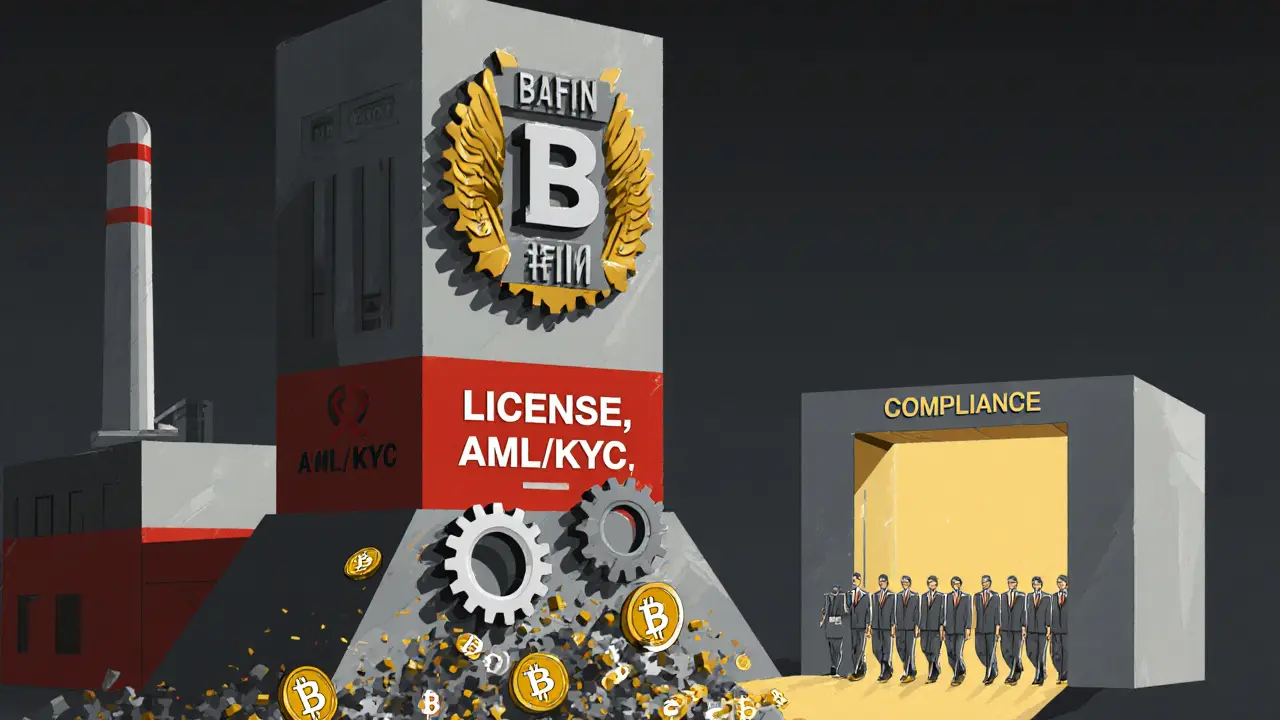
Germany's BaFin enforces strict crypto regulations under MiCAR. Learn what licenses you need, how to comply with AML rules, and what happened in 2025 when unlicensed firms were shut down.
read more