Central Bank Bolivia crypto: What You Need to Know About Crypto and Central Banking in Bolivia
When it comes to Central Bank Bolivia crypto, the official stance of Bolivia’s central bank is a total ban on all cryptocurrency transactions and services. Also known as Bolivia crypto ban, this policy has been in place since 2014 and remains one of the strictest in the world. Unlike countries that regulate crypto, Bolivia treats it as illegal—no exchanges, no wallets, no payments. The bank claims crypto threatens financial stability and enables money laundering. But here’s the twist: people are still using it.
Even with the ban, Bolivia cryptocurrency, mostly Bitcoin and USDT, is traded through peer-to-peer networks, cash deals, and encrypted apps. Also known as underground crypto Bolivia, this black market thrives because inflation has eaten away at the boliviano, and remittances from abroad are hard to receive through banks. Many Bolivians see crypto not as speculation, but as survival. You can’t open a crypto account legally, but you can meet someone in a café, hand over cash, and get Bitcoin in a Telegram wallet. No bank involved. No paperwork. Just trust and speed.
The crypto regulation Bolivia, is enforced through banking restrictions and surveillance of foreign transfers. Also known as Bolivian financial control, the government blocks platforms like Binance and Coinbase from operating locally, and banks freeze accounts suspected of crypto activity. Yet, enforcement is patchy. Rural areas, border towns, and informal markets are where crypto moves most freely. Some people even use crypto to buy groceries or pay for transport—cash in, crypto out.
There’s no sign the Central Bank of Bolivia will change course. It’s pushing its own digital currency, the central bank digital currency, a state-controlled digital boliviano that gives the government full oversight. Also known as CBDC Bolivia, this isn’t meant to empower users—it’s meant to replace cash and crypto entirely. But digital currencies from above don’t fix broken systems. People in Bolivia aren’t rejecting the state—they’re rejecting the system that left them behind.
What you’ll find below isn’t a list of legal crypto platforms in Bolivia. There aren’t any. Instead, you’ll see real stories, hard truths, and lessons from countries where crypto grew despite bans—like Pakistan, Tunisia, and Vietnam. These posts show how people adapt, what risks they take, and why central bank power doesn’t always win.
Posted by
HELEN Nguyen
7 Comments
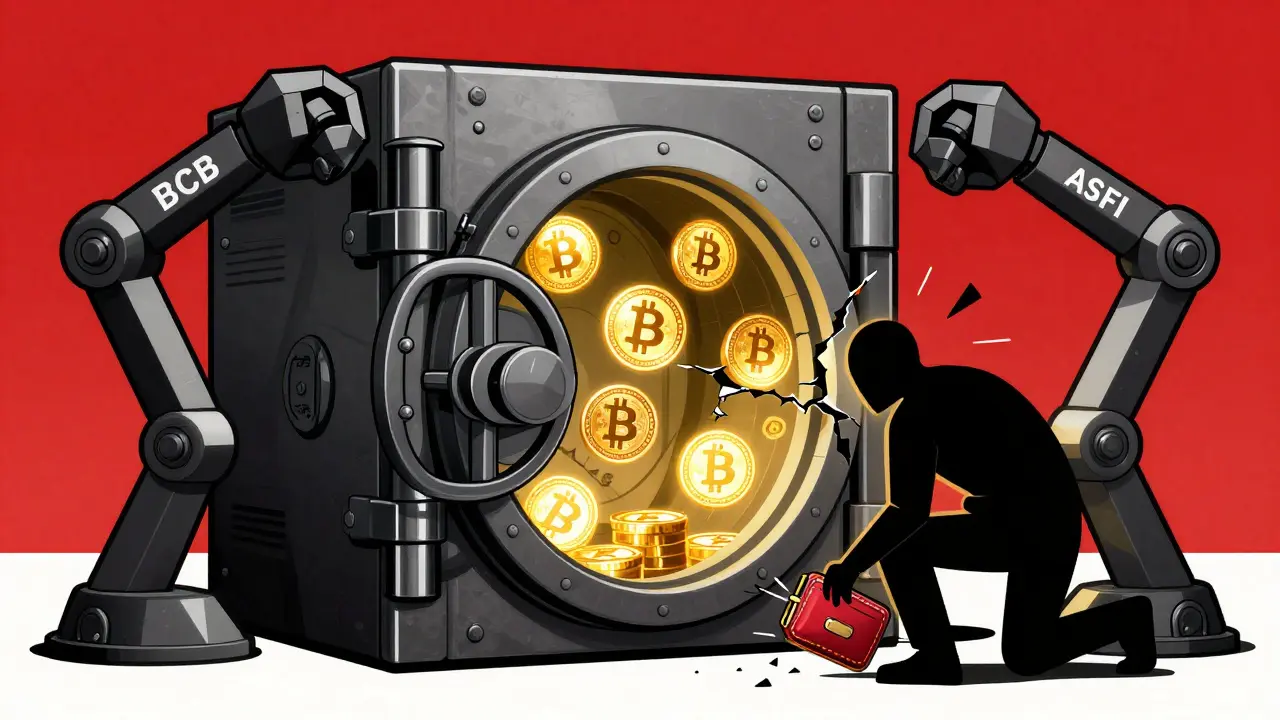
Bolivia lifted its crypto ban in 2024, making trading legal - but only through licensed banks. Know the penalties for bypassing approved channels and how taxes apply to personal vs. business crypto use in 2025.
read more