Bolivia crypto penalties: Fines, bans, and what really happens if you trade crypto there
When it comes to Bolivia crypto penalties, the country’s total ban on cryptocurrencies enforced by its central bank and financial regulators. Also known as crypto prohibition in Bolivia, this rule isn’t a suggestion—it’s a criminal offense. Unlike countries that tax crypto or require licenses, Bolivia doesn’t just discourage it. It shuts it down completely.
The Bolivian central bank, the institution that controls the country’s monetary policy and enforces financial laws. Also known as Banco Central de Bolivia, it issued Resolution 300 in 2014, making it illegal for banks, businesses, and individuals to use or facilitate any cryptocurrency transactions. That includes Bitcoin, Ethereum, USDT—any digital asset. Even holding crypto on a wallet you own is technically against the law. The penalties aren’t just fines. People have been arrested for running P2P trades, using crypto apps, or even helping someone buy Bitcoin with cash. Real cases? A 2022 report from a local investigative outlet showed two men jailed for 18 months for operating a crypto exchange through WhatsApp. No trial. No appeal. Just detention under financial crime statutes.
Why does Bolivia do this? The government claims crypto threatens the stability of the boliviano and enables money laundering. But the truth is simpler: they want full control. Every peso moved through the banking system is tracked. Crypto bypasses that. So instead of adapting, they outlawed it. The result? A thriving underground market. People still trade crypto using cash meetups, mobile money apps, and smuggled hardware wallets. But every transaction carries risk. Police raids on crypto traders are common in Santa Cruz and La Paz. Banks freeze accounts linked to crypto activity—even if the owner never touched it. And if you’re caught, you don’t get a warning. You get a fine, asset seizure, or jail time.
There’s no gray area. No grandfather clause. No exception for foreigners. If you’re in Bolivia and you hold crypto, you’re breaking the law. If you’re sending money to someone there using USDT? You’re enabling a crime. The Bolivian financial police, the specialized unit tasked with investigating digital asset violations. Also known as Fuerza Especial de Lucha contra el Crimen Económico, it works with banks to flag suspicious transfers. They don’t need a warrant to freeze accounts. They just need a tip.
What you won’t find in official documents? The real human cost. People who lost savings because their crypto wallet got seized. Students who got expelled for using crypto to pay for online courses. Small vendors who got shut down for accepting Bitcoin for coffee. The law doesn’t care about your reason. It only cares that you used something it banned.
Below, you’ll find real stories, legal breakdowns, and enforcement cases that show exactly how Bolivia’s crypto ban works in practice. No theory. No speculation. Just what happens when you cross the line.
Posted by
HELEN Nguyen
7 Comments
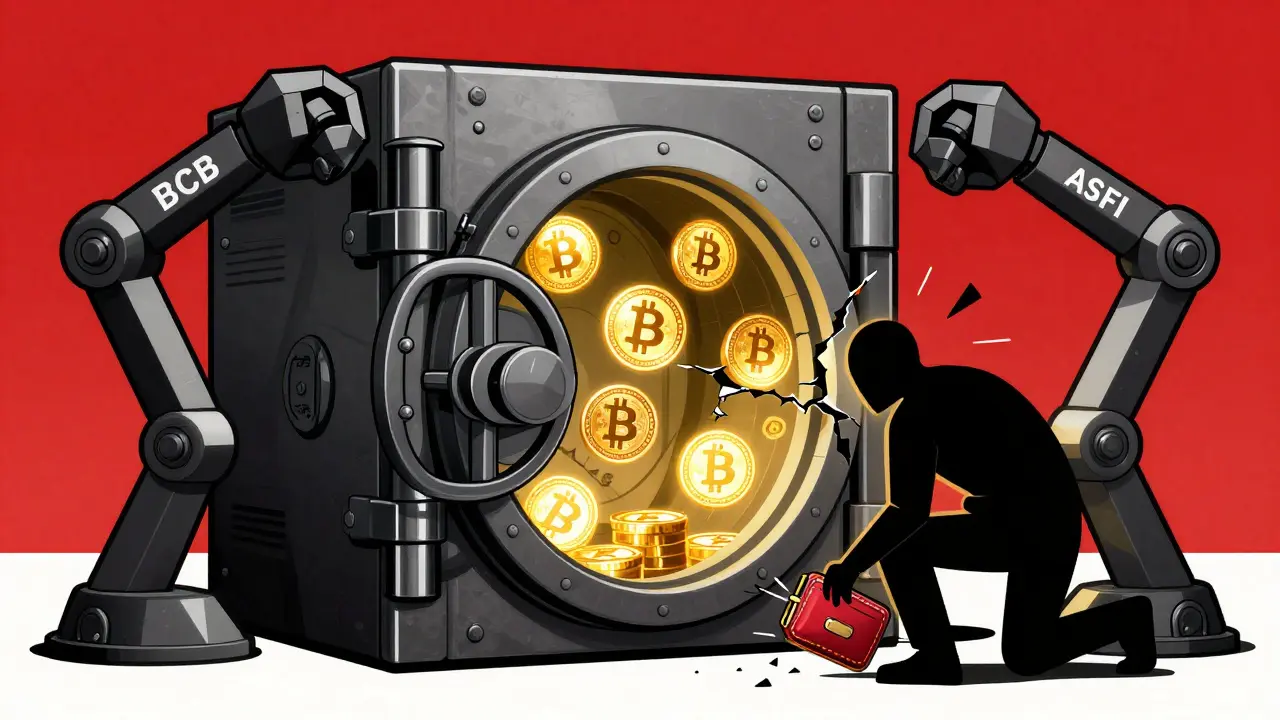
Bolivia lifted its crypto ban in 2024, making trading legal - but only through licensed banks. Know the penalties for bypassing approved channels and how taxes apply to personal vs. business crypto use in 2025.
read more