Bitcoin Korea: What You Need to Know About Crypto Trading in South Korea
When people talk about Bitcoin Korea, the active and highly regulated crypto market in South Korea where millions trade Bitcoin daily despite government oversight. Also known as Korean cryptocurrency trading, it’s one of the most influential crypto markets in Asia, driven by tech-savvy users and strict financial rules. Unlike places where crypto is ignored or banned, South Korea treats Bitcoin like a real asset—just one that’s tightly monitored.
South Korea’s crypto regulations, the strict rules enforced by the Financial Services Commission (FSC) that require all exchanges to register, follow KYC rules, and report transactions make it one of the most transparent markets in the world. Exchanges like Bithumb, Upbit, and Coinone must verify every user’s identity and block anonymous trading. This doesn’t stop people from trading—it just forces them to do it legally. The government even tracks crypto gains for tax purposes, with capital gains taxed at up to 40% for high earners. But here’s the twist: despite these rules, South Korea consistently ranks in the top 5 globally for crypto adoption. Why? Because ordinary people use Bitcoin to protect their savings from inflation and move money across borders without banks.
Another key player here is the Korean crypto exchanges, the major platforms where most Koreans buy, sell, and hold Bitcoin and other coins, often with fiat currency pairs like KRW. These aren’t just trading sites—they’re social hubs. Chat rooms on Upbit have more active users than some stock forums. People share tips, track price swings in real time, and even organize group buys. But not all platforms are safe. Some unregulated apps and fake exchanges pop up, promising high returns but disappearing with funds. That’s why the FSC regularly shuts down unlicensed services and warns users about scams.
There’s also a quiet but powerful side to Bitcoin Korea: the use of stablecoins like USDT for remittances. Many Koreans working overseas send money home using crypto because traditional banks charge high fees and take days. This isn’t illegal—it’s practical. And it’s one reason why crypto usage keeps growing, even when headlines scream about crackdowns.
What you’ll find below are real stories from this market: how people navigate taxes, why some exchanges vanished overnight, how regulations changed trading habits, and which coins Koreans actually hold—not just the hype ones. You’ll see what works, what fails, and what’s still alive after the dust settled. No fluff. Just facts from the front lines of Bitcoin Korea.
Posted by
HELEN Nguyen
9 Comments
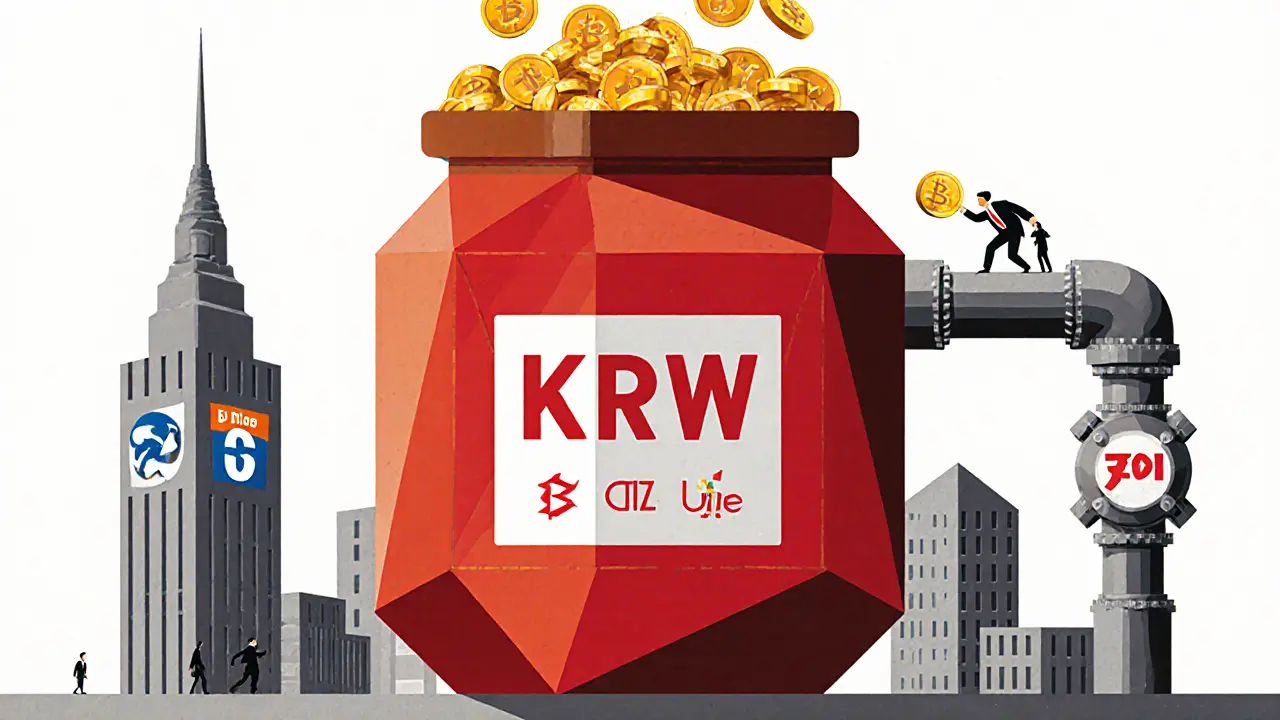
The kimchi premium explains why Bitcoin costs more in South Korea than anywhere else-due to high local demand, strict capital controls, and regulations that block foreign traders. It's not a glitch, it's a market reality.
read more