Bitcoin Hard Fork: What It Is, Why It Matters, and What Happens Next
When a Bitcoin hard fork, a permanent split in the Bitcoin blockchain that creates a new, incompatible version of the network. Also known as blockchain fork, it happens when developers or miners disagree on how the rules should change—like increasing block size or changing mining rewards—and decide to build a new path forward. Unlike a soft fork, which keeps everything backward compatible, a hard fork means old software can’t talk to new software anymore. That’s why it creates two separate blockchains—and often, two separate coins.
One of the most famous examples is Bitcoin Cash, a fork of Bitcoin launched in 2017 to increase block size and reduce fees. It was born out of frustration with slow, expensive Bitcoin transactions. Then came Bitcoin SV, another fork that claimed to return to Satoshi’s original vision, with even larger blocks. These aren’t just theoretical splits—they’re real chains with real users, real exchanges, and real price swings. People who held Bitcoin at the time of each fork got free coins on the new chain. But holding Bitcoin doesn’t guarantee you’ll get the new coins—you need to control your private keys at the exact moment the fork happens.
Hard forks aren’t just about technology. They’re about power. Who decides the rules? Miners? Developers? The community? Every fork reveals a different answer. Some forks succeed because they solve a real problem. Others fail because they’re just arguments turned into code. The market doesn’t care about your opinion—it cares about adoption. Bitcoin Cash still trades. Bitcoin SV barely does. And dozens of other forks? Gone.
What you’ll find below are real stories from people who lived through these splits. Some made money. Some lost everything. Others watched their coins turn into digital ghosts. You’ll read about exchanges that handled forks right—and those that didn’t. You’ll see how forks affect taxes, wallets, and security. And you’ll learn how to spot a fork that’s worth paying attention to… and one that’s just noise.
Posted by
HELEN Nguyen
10 Comments
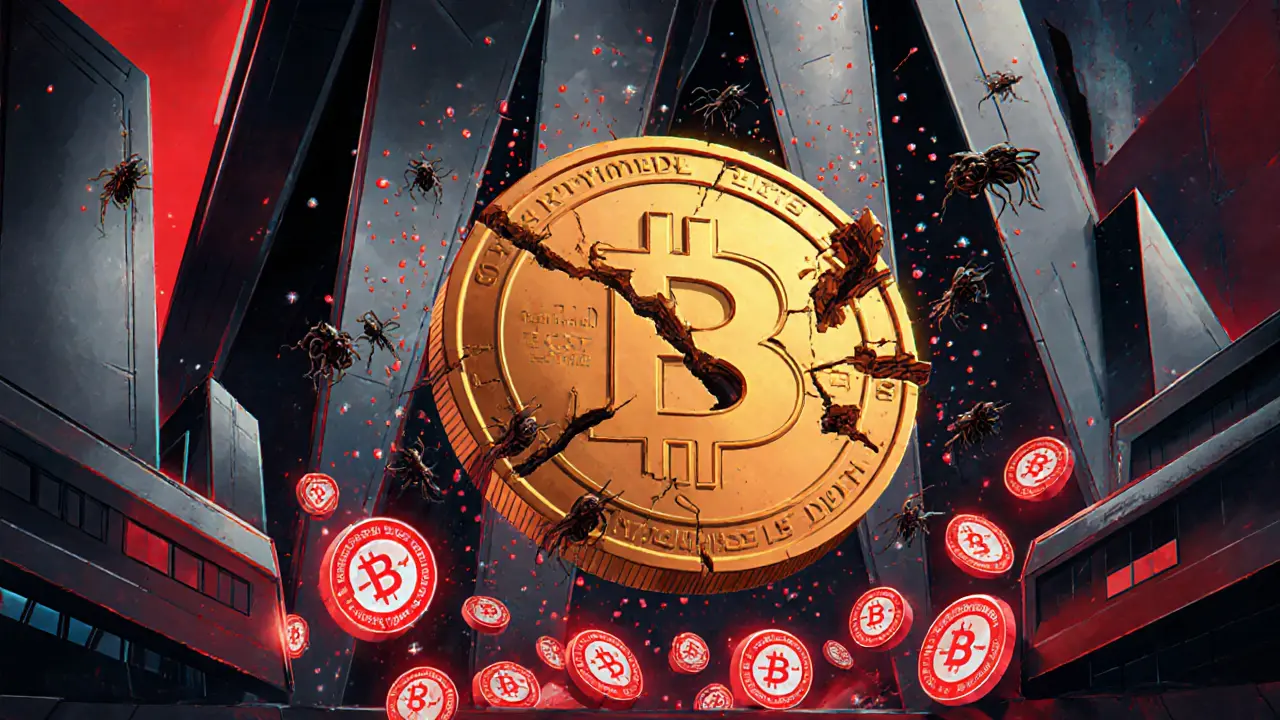
Bitcoin's current cryptography can be broken by future quantum computers. Over $745 billion in Bitcoin is already exposed. Learn how ML-DSA, hard forks, and migration protocols could save it-and why time is running out.
read more