BCT Crypto Ban: What Happened and Why It Matters
When the BCT crypto ban, a regulatory action targeting a specific cryptocurrency token that triggered market panic and legal debates hit, it wasn’t just another crypto story—it was a wake-up call. BCT, a token once promoted as a decentralized solution for community rewards, suddenly became a symbol of regulatory overreach—or, depending on who you ask, a necessary crackdown on unregistered digital assets. The ban didn’t just freeze trading; it exposed how fragile trust is when a project lacks transparency, legal standing, or clear utility.
What followed was a ripple effect. Countries watching the BCT case began tightening rules on similar tokens, especially those with vague whitepapers and no real team. crypto regulation, the set of legal frameworks governments use to oversee digital asset issuance, trading, and taxation became the new normal, not the exception. Exchanges started delisting tokens without clear compliance paths, and investors scrambled to understand what made BCT different from other coins that survived. The answer? BCT didn’t just break rules—it ignored them entirely, with no audit, no KYC, and no legal entity behind it. Meanwhile, crypto legality, the status of digital assets under national law, which varies from fully permitted to outright banned became a hot topic in forums, newsletters, and even family dinners. People realized that if a token can vanish overnight because of a regulatory move, then holding it was never really about technology—it was about trust in people, not code.
The BCT crypto ban didn’t kill innovation. It killed the illusion that you can launch a token, market it with hype, and never answer to anyone. It showed that crypto enforcement, the active monitoring and penalizing of non-compliant digital asset activities by authorities is real, fast, and unforgiving. Countries like the U.S., Australia, and Germany have since used cases like BCT to justify stricter licensing for token issuers. Even in places like Nigeria and Pakistan—where crypto adoption soared despite bans—regulators now demand more proof before allowing any new project to operate. You can’t just say "it’s decentralized" and walk away. If there’s no team, no legal structure, and no accountability, regulators won’t wait for you to fix it. They’ll shut you down first.
Below, you’ll find real stories from people who lost money on BCT, analyses of similar tokens that got banned, and deep dives into how regulators decide what’s legal and what’s not. These aren’t theoretical guides. They’re post-mortems, lessons, and warnings from the front lines of crypto’s most chaotic era. If you’ve ever wondered why some coins disappear overnight, or how to tell if a project is built to last—or built to vanish—these posts have the answers you need.
Posted by
HELEN Nguyen
5 Comments
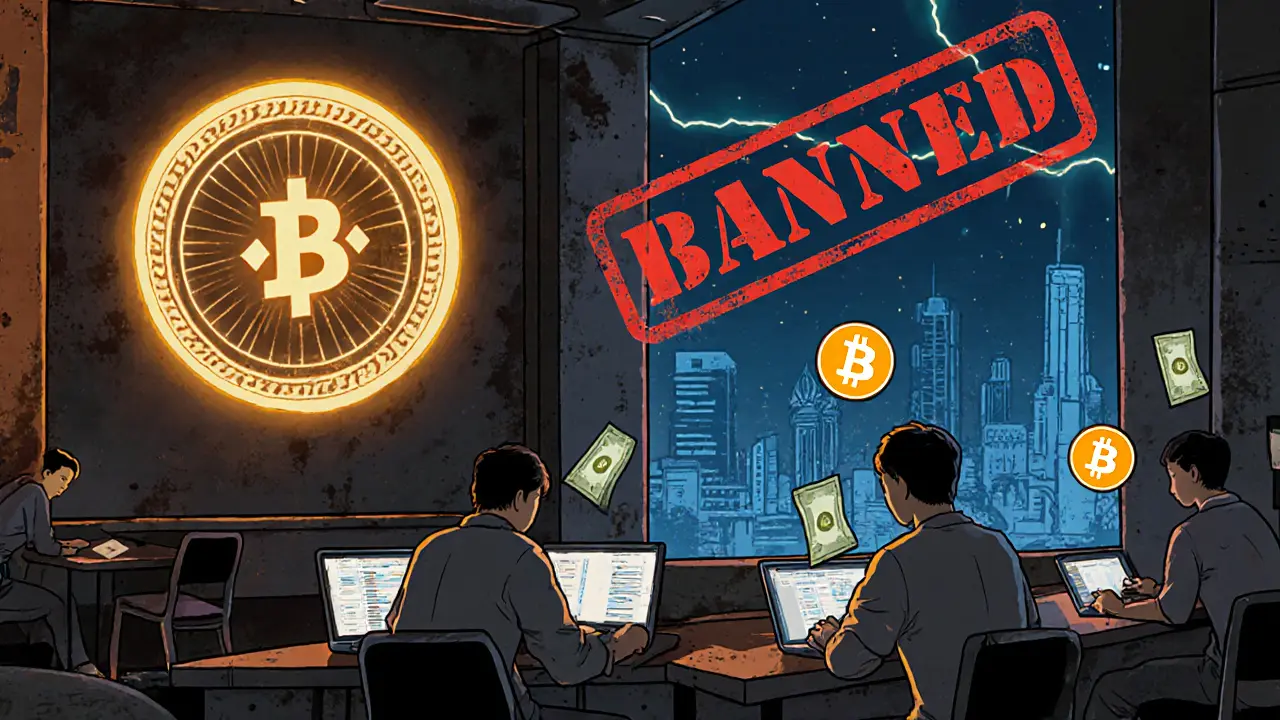
Despite a total ban since 2018, underground crypto trading thrives in Tunisia through VPNs and peer-to-peer platforms. Traders use Bitcoin, USDT, and cash workarounds to bypass bank blocks-risking arrest but gaining financial freedom.
read more