BaFin Licensing: What Crypto Businesses Must Know About Germany's Crypto Rules
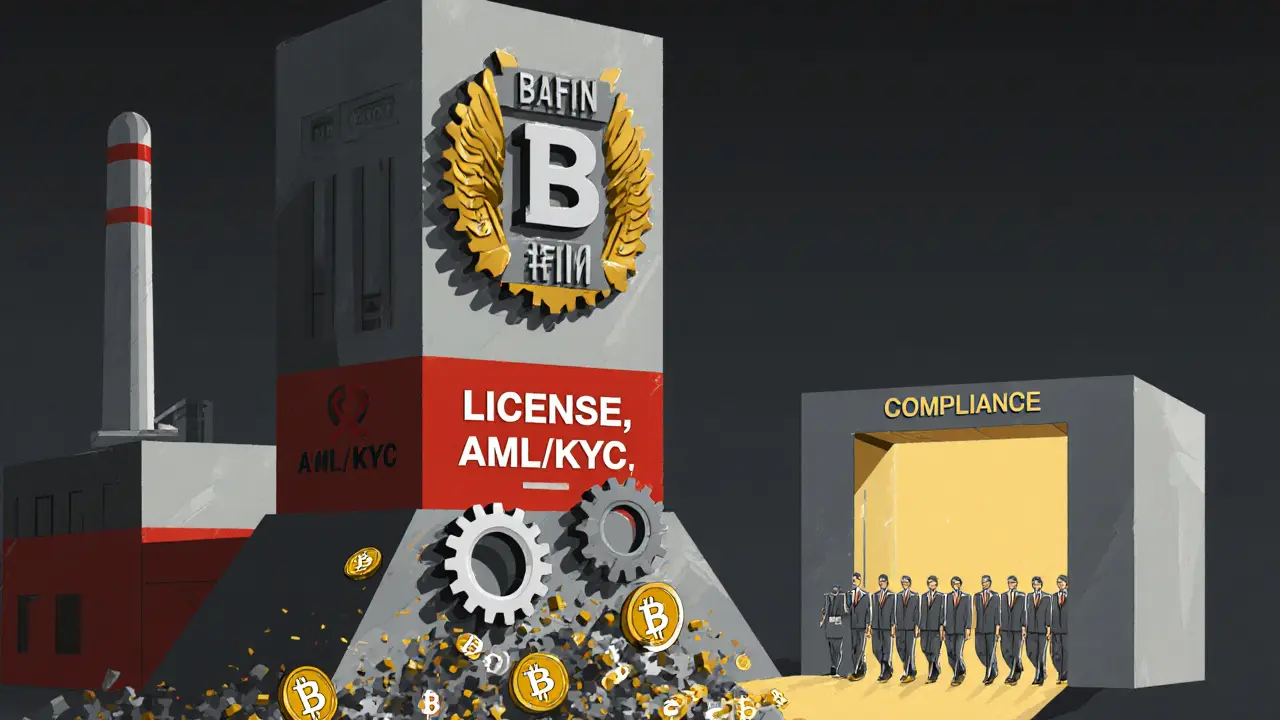
When a crypto company wants to operate in Germany, it doesn’t just need a good idea—it needs BaFin licensing, the official authorization from Germany’s Federal Financial Supervisory Authority that lets firms legally offer crypto services. Also known as German crypto regulatory approval, this isn’t a formality—it’s a gatekeeper that decides who can touch the German market. Without it, you’re not just operating in a gray zone—you’re breaking the law.
BaFin doesn’t just care about exchanges. It also controls crypto wallets, services that hold or manage crypto assets on behalf of users, token issuers, companies launching new digital assets like utility or security tokens, and even crypto ATMs. If your business touches crypto in Germany, BaFin wants to know who you are, where your money comes from, and how you stop criminals from using your platform. That means strict AML checks, real identity verification, and proof you can keep customer funds safe. The BaFin licensing process can take months. It’s not cheap. And if you skip it, you risk fines up to €5 million—or worse, criminal charges.
Why does Germany care so much? Because it’s not just about protecting consumers—it’s about controlling financial risk. Unlike some countries that wait to see what happens, Germany moved early. In 2020, it forced all crypto service providers to register with BaFin. Since then, dozens have been denied, shut down, or forced to leave. Meanwhile, licensed firms like Bitwala and Coinmama operate openly, building trust with German users. This isn’t a trend—it’s the new baseline. If you’re targeting Europe, Germany’s rules are a model others follow.
What you’ll find in the posts below are real examples of how crypto firms handle—or fail—this system. You’ll see how Nigerian exchanges face similar licensing pressure, how Australia’s AUSTRAC rules mirror BaFin’s structure, and how unlicensed players in Iran and Tunisia operate in the shadows. These aren’t isolated stories. They’re pieces of the same global puzzle: governments are no longer letting crypto run wild. If you’re building, investing, or trading in crypto, you need to understand where the lines are drawn. And in Germany, BaFin holds the pencil.
Posted by
HELEN Nguyen
7 Comments
Germany's BaFin enforces strict crypto regulations under MiCAR. Learn what licenses you need, how to comply with AML rules, and what happened in 2025 when unlicensed firms were shut down.
read more