BaFin Crypto Regulation: What It Means for Traders and Exchanges in 2025
When you trade crypto in Germany, you're not just dealing with markets—you're navigating BaFin crypto regulation, the official oversight body for financial services in Germany that enforces strict rules on digital assets. Also known as the Federal Financial Supervisory Authority, BaFin is the gatekeeper for anyone running a crypto exchange, wallet, or token project in the country. Unlike places like the UAE or Singapore, Germany doesn’t let crypto operate in the shadows. If you’re holding, trading, or offering crypto services here, BaFin has the power to shut you down—no warning, no second chance.
This isn’t just about paperwork. BaFin requires every crypto business to get a license, follow AML rules, and report customer transactions. That means exchanges like Bitpanda or Kraken have to verify your identity, track your trades, and flag anything suspicious. Even if you’re just an individual trader, if you’re using a German-based service, your activity is being watched. And it’s not just exchanges: token issuers, staking platforms, and even crypto ATMs need BaFin approval. In 2024 alone, BaFin blocked over 30 unlicensed crypto platforms and fined three major firms for failing to report suspicious activity. One firm paid €1.2 million just for not checking if its users were on sanctions lists.
What does this mean for you? If you’re a trader, you can’t ignore KYC. If you’re building a crypto product, you can’t skip compliance. BaFin doesn’t care if you’re a startup or a billionaire—it treats everyone the same. And while some try to bypass it by using foreign exchanges, BaFin is tightening the noose. In 2025, they’re pushing for real-time monitoring of cross-border crypto flows, meaning even offshore platforms that serve German users could be blocked. The message is clear: operate legally here, or get out.
You’ll find posts in this collection that dig into how German traders are adapting, what happens when you ignore BaFin’s rules, and how other countries like Australia and Nigeria are taking similar paths. Some stories show real fines, others reveal how people are using decentralized tools to stay under the radar. But one thing’s constant: in Germany, crypto isn’t a free-for-all. It’s a regulated space—and BaFin is watching.
Posted by
HELEN Nguyen
7 Comments
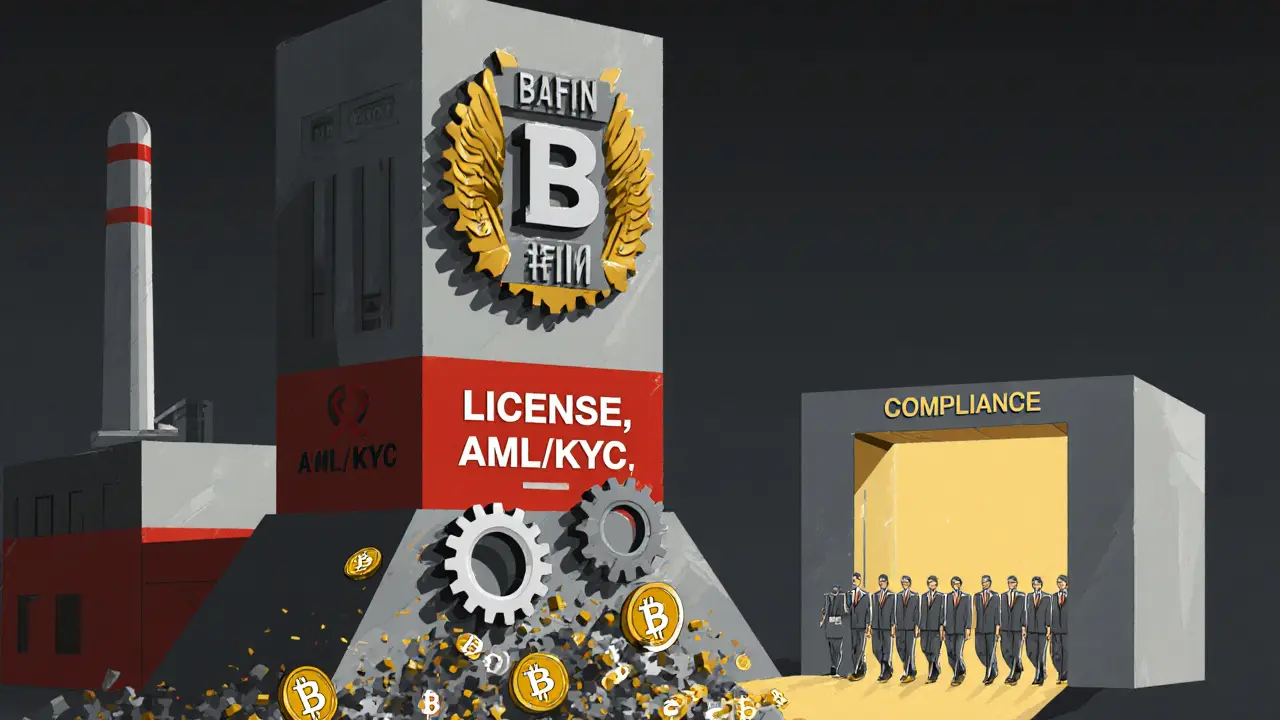
Germany's BaFin enforces strict crypto regulations under MiCAR. Learn what licenses you need, how to comply with AML rules, and what happened in 2025 when unlicensed firms were shut down.
read more