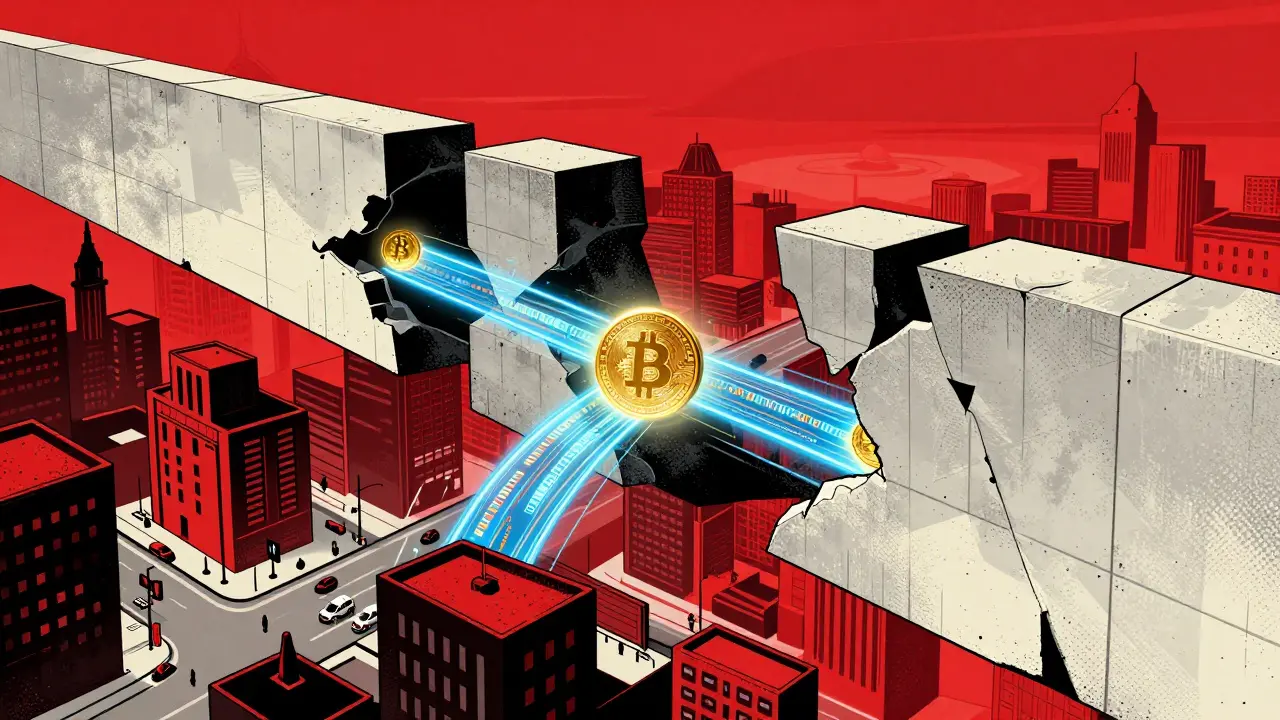
Imagine waking up to find your country's banking system is essentially a walled garden, cut off from the rest of the world. For millions of people in Iran, this isn't a dystopian movie plot-it's daily life. When international sanctions choke off traditional ways to move money, people don't just stop trading; they find a workaround. This is why crypto adoption in Iran has transformed from a niche hobby for techies into a critical survival tool for the general public and a strategic asset for the state.
While most of the world views crypto as a way to get rich quick, in Iran, it's a lifeline. It's the difference between being able to pay an international supplier for medicine or having a business grind to a halt. But this isn't a simple story of "freedom through blockchain." It's a complex, high-stakes game of cat-and-mouse between the Iranian government, the citizens, and global enforcement agencies like the U.S. Treasury.
The Survival Instinct: Why Iranians Turn to Crypto
For the average Iranian, the primary driver isn't speculation-it's necessity. When the Iranian Rial loses value and traditional bank transfers are blocked by global sanctions, Bitcoin is a censorship-resistant digital asset that allows users to hold wealth outside the reach of both local inflation and international freezes. Because you only need a seed phrase to move millions of dollars across borders, it provides a level of financial mobility that a passport or a bank account simply cannot offer in a sanctioned zone.
But it's not just about Bitcoin. There is a massive shift toward stablecoins. Why gamble on a volatile coin when you can use something pegged to the dollar? USDT (Tether) has become the unofficial currency for trade and remittances in the region. However, as we've seen recently, relying on a single centralized issuer can be risky. When Tether froze dozens of Iranian-linked addresses in July 2025, users didn't just give up-they pivoted almost overnight to DAI, a decentralized stablecoin, moving their assets over to the Polygon network to avoid the high fees of Ethereum and the risk of central freezes.
The State's Dual Game: Control vs. Profit
The Iranian government has a bit of a contradiction going on. On one hand, they want to control the flow of money to prevent capital flight. On the other, they need the revenue. In 2019, the government legalized cryptocurrency mining, which is the process of using powerful hardware to secure a blockchain network in exchange for newly minted coins. Why? Because Iran has cheap electricity, and mining is a way to turn that energy into hard currency.
But there's a catch. The Central Bank of Iran (CBI) doesn't just let miners keep the profits. Licensed miners are often forced to sell their assets directly to the CBI. High energy tariffs for legal operators have pushed many into the "underground" mining scene, where rigs run in secret warehouses to avoid government skimming.
Then there's the infrastructure. Domestic exchanges like Nobitex, one of Iran's largest cryptocurrency exchanges, have become massive hubs. The government likes these because they can monitor user data via government APIs. It's a classic trade-off: the state gives you a way to trade, but in exchange, they get a window into your financial life.
| Method | Primary Goal | Main Risk | Typical Asset |
|---|---|---|---|
| Domestic Exchanges (e.g., Nobitex) | Ease of access, fiat conversion | Government surveillance/API tracking | USDT, BTC |
| Foreign Exchanges via VPN | Privacy, global liquidity | Account freezes, KYC barriers | USDT, ETH |
| Self-Custody Wallets | Wealth preservation | Loss of private keys | BTC, DAI |
| Mining Farms | Revenue generation | Electricity raids, hardware seizures | BTC |
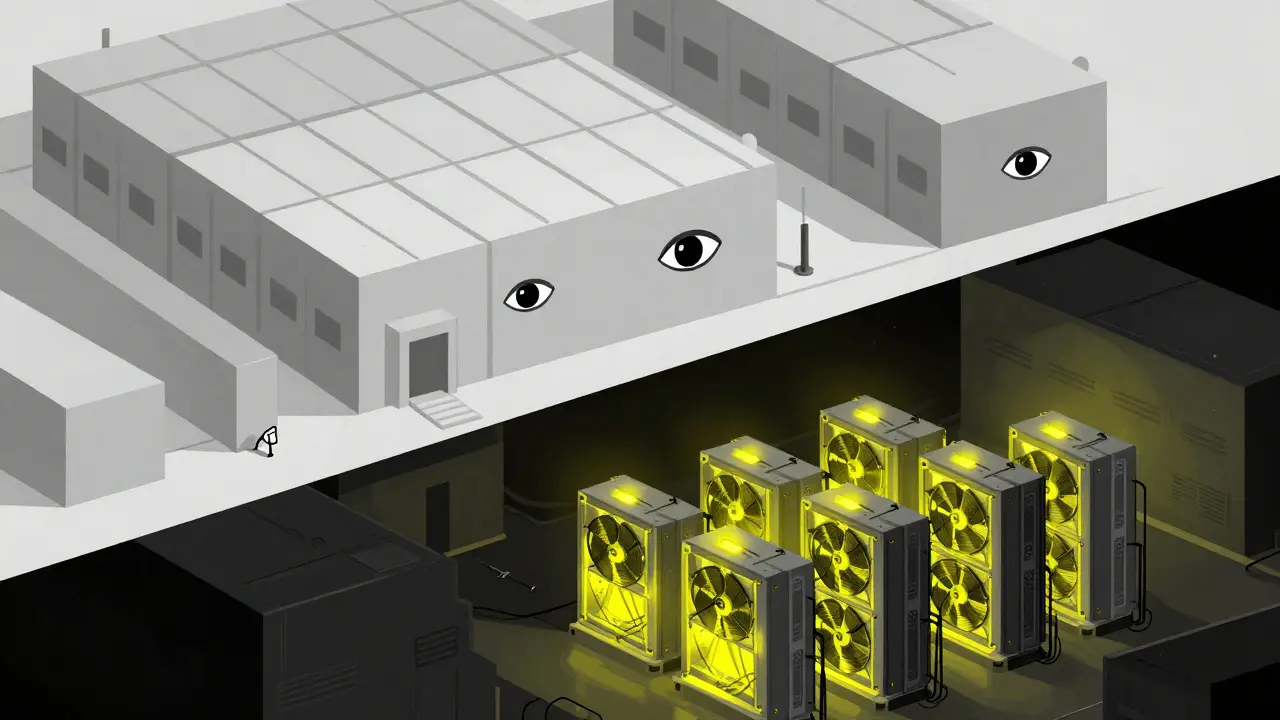
Industrial-Scale Sanctions Evasion
While citizens use crypto to buy groceries or save for the future, the state uses it for something much bigger. The Islamic Revolutionary Guard Corps (IRGC) has integrated digital assets into their core settlement mechanisms. We aren't talking about a few wallets; this is industrial-scale evasion.
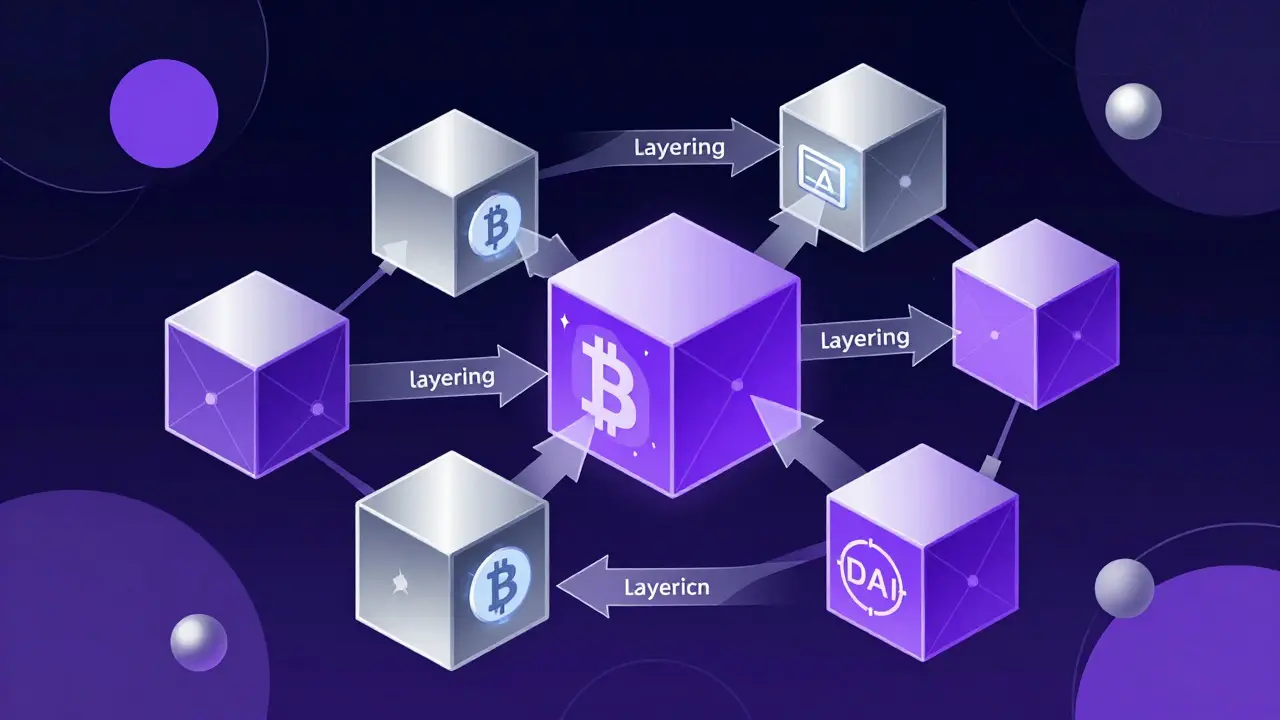
The strategy is sophisticated. They don't just send money from Point A to Point B. They use "layering"-moving funds through a dizzying array of intermediary wallets to break the audit trail. They then off-ramp these funds through exchanges in countries like China, Hong Kong, or the UAE that have weaker compliance checks. By the time the money hits a traditional bank account, it looks like a legitimate business transaction rather than a sanctioned transfer.
The numbers are staggering. By the end of 2024, Iran accounted for nearly 60% of all sanctions-related cryptocurrency activity by value. This isn't just a fluke; it's a coordinated effort to keep the economy breathing while under intense pressure from the Office of Foreign Assets Control (OFAC), which manages U.S. economic sanctions.
The Cat-and-Mouse Game of Enforcement
If you think the U.S. Treasury is just watching, think again. Enforcement has shifted from targeting companies to targeting specific wallet addresses. When OFAC designates a wallet, that address becomes "radioactive." Any exchange that touches it risks massive fines.
This creates a cycle of rapid adaptation. In July 2025, after a massive freeze of Tether (USDT) addresses, the Iranian community didn't panic-they migrated. Within days, influencers and government-aligned channels coordinated a shift to the Polygon network. Why Polygon? Because it's fast, incredibly cheap, and supports DAI. This agility shows that the Iranian user base is among the most blockchain-literate in the world. They aren't just using the apps; they understand the underlying network economics.
Even the legal landscape is shifting. In August 2025, Iran introduced the Law on Taxation of Speculation and Profiteering. For the first time, crypto is being taxed alongside gold and real estate. This is a telltale sign that the government has stopped viewing crypto as a temporary glitch and has accepted it as a permanent part of the economic fabric.
Common Pitfalls for Users in Sanctioned Zones
Navigating this ecosystem is dangerous. One wrong move can lead to your funds being locked forever. Here are the most common traps:
- Over-reliance on CEXs: Using a Centralized Exchange (CEX) means someone else holds your keys. If the exchange is pressured by OFAC or the CBI, your funds vanish.
- Poor VPN Hygiene: Using a free or leaky VPN can reveal your true IP address to an exchange, triggering an immediate KYC (Know Your Customer) lock.
- Ignoring "Tainted" Coins: If you receive BTC or USDT that was previously linked to a sanctioned entity, your wallet might be flagged by chain analysis tools used by global exchanges.
- Ignoring Layer 2s: Sticking only to the Ethereum mainnet is expensive. Those who don't move to Layer 2 solutions like Polygon find their profits eaten by gas fees.
Why is crypto so popular in Iran compared to other sanctioned countries?
It's a combination of extreme economic necessity and available infrastructure. Iran has a large population of tech-savvy youth and cheap electricity for mining, which created a natural entry point. Unlike some other sanctioned regions, Iran has developed a robust ecosystem of domestic exchanges and a culture of using VPNs to bypass restrictions, making the transition to digital assets much faster.
Does the Iranian government actually support cryptocurrency?
Their relationship is contradictory. They support mining because it generates revenue and helps bypass sanctions. However, they fight against the decentralization of finance because it allows citizens to move wealth out of the country (capital flight) and bypasses the Central Bank's control over the Rial.
What happened with the Tether freezes in 2025?
In July 2025, Tether froze 42 addresses linked to Iranian entities and the Nobitex exchange. This was a major blow because USDT is the primary stablecoin used in Iran. It forced users to migrate their holdings to decentralized alternatives like DAI on the Polygon network to avoid the risk of a central authority freezing their funds.
Is crypto mining still profitable in Iran?
For licensed miners, it has become difficult due to high energy tariffs and the requirement to sell assets to the Central Bank. However, "underground" mining remains highly profitable because they tap into cheaper electricity grids, though they face the constant risk of government raids and hardware seizure.
How do Iranians avoid government tracking on exchanges?
Many use high-quality VPNs to access international exchanges that don't require strict Iranian KYC. Additionally, they use non-custodial wallets (like MetaMask or Trust Wallet) to move funds between different blockchains, effectively "breaking" the link that government-monitored APIs try to maintain.
Moving Forward: The Next Steps for Users
If you're observing this market or are an operator in a similar environment, the trend is clear: Decentralization is the only real security. Those who rely on centralized bridges-whether they are domestic exchanges in Tehran or global giants-are always at the mercy of a policy change or a sanctions list.
The future of this ecosystem will likely see a deeper move into DeFi (Decentralized Finance). As the state tries to tax and track every transaction through APIs, the demand for privacy coins and mixer-like functionality will only grow. The battle isn't over; it's just moving to a more complex layer of the blockchain.
Comments
Nishant Goyal
Cool to see how people adapt. Blockchain really is a game changer for financial inclusion.
April 17, 2026 at 15:54
Trudy Morse
It's basically a digital mirror of human nature. We build walls, and then we build ladders to climb over them. The shift to DAI just proves that decentralization is the only true hedge against systemic failure.
April 18, 2026 at 20:04
Kevin Lư
I mean, it's great they're surviving, but using crypto to help the IRGC bypass sanctions is a total moral nightmare. We're basically funding the bad guys just because the tech is "cool".
April 19, 2026 at 09:28
Shannon Kelly Smith
Let's focus on the education part! 📚 Understanding Layer 2s and non-custodial wallets is a huge win for the average person in those regions. Keep learning and stay safe! 🚀💎
April 21, 2026 at 02:27
Saurav Bhattarai
Oh, how absolutely shocking that the state is skimming profits. Truly a revolutionary discovery. 🙄 It's cute that people think a VPN and some Polygon tokens make them invisible to a government that literally owns the electricity grid.
April 22, 2026 at 22:13
Gillian Kent
I think its fascinatng how tech bridges culture gaps. its sad they need this for medcine, but at least there is some way to get it throught the mess. hope things get beter for them.
April 23, 2026 at 13:47
John and Lauren Busch
Yeah, because nothing says "freedom" like moving your funds from one corporate overlord to another. Sarcasm aside, it's a wild cycle.
April 23, 2026 at 21:41
Adedamola Oyebo
The use of DAI on Polygon is a smart move!!! Very efficient for low-cap transactions!!!
April 24, 2026 at 09:08
Kaitlyn Wu
The section on CEX pitfalls is the most important part here. If you don't own your keys, you don't own your money. Period. This applies to everyone, regardless of whether they live in a sanctioned zone or not. It is a fundamental lesson in digital sovereignty that many ignore until it is too late. The risk of a centralized entity freezing your assets is a reality we all face, though the stakes are obviously higher in Iran. We need to push for more self-custody education globally. Relying on an exchange is essentially trusting a stranger with your life savings. It's not just about the Iranian government or OFAC; it's about the systemic risk of centralization. Once a company has the power to freeze one account, they have the power to freeze any account. The migration to decentralized stablecoins is a necessary step, but the real goal should be full autonomy. We have to stop pretending that "convenience" is worth the loss of control over our own wealth. The agility of the Iranian users is impressive, but it's born out of desperation. We should be proactive, not reactive. Education is the only way to avoid these traps before they happen. Stop using CEXs for long-term storage. Get a hardware wallet. Understand how bridges work. The technology is there, but the mindset is still lagging behind for too many people. This is a wake-up call for everyone.
April 25, 2026 at 09:30