
You’ve probably seen the ticker XPX pop up on your screen and wondered what it actually is. Here’s the catch: there are two completely different projects using this exact same symbol. If you buy the wrong one, you’re not just missing out on potential gains-you might be investing in a technology that doesn’t match your goals at all. One is an older infrastructure blockchain called Sirius Chain (formerly ProximaX), and the other is a newer, ambitious payment token built on SmartDeFi technology.
This guide cuts through the noise. We’ll break down exactly what the new SmartDeFi XPX token promises, how its unique "asset-backed" mechanics work, and why you need to double-check contract addresses before you click "buy."
The Two Faces of XPX: Don't Get Confused
Before we dive into the features, we have to clear up the biggest hurdle for anyone researching this coin: identity theft by coincidence. The ticker XPX belongs to two distinct entities.
| Feature | SmartDeFi XPX (New) | Sirius Chain / ProximaX (Old) |
|---|---|---|
| Primary Focus | Web3 Payments & Staking Rewards | Decentralized Storage & Infrastructure |
| Launch Era | Recent (Whitepaper updated July 2024) | April 2018 |
| Max Supply | 100 Billion XPX | 5 Billion (Original ICO) |
| Technology | Smart Contract Token (SmartDeFi) | Integrated Distributed Ledger (IaDLT) |
| Reward Mechanism | BTC via Staking | Network Utility & Governance |
If you are looking for the project that promises Bitcoin rewards and merchant payments, you want the SmartDeFi XPX, which is described as a web3 payments and marketplace asset designed to bridge tokenomics with real-world utility. If you are interested in decentralized data storage or older enterprise blockchain solutions, you are likely looking at Sirius Chain. For the rest of this article, we will focus entirely on the SmartDeFi version, as it represents the emerging narrative around the XPX ticker.
How SmartDeFi Technology Works for XPX
The core selling point of the new XPX token is its foundation on SmartDeFi, a framework that combines decentralized finance protocols with asset-backed value mechanisms to create stability in volatile markets. Most meme coins or early-stage tokens rely purely on hype and community sentiment. Their value can drop to zero if interest wanes. SmartDeFi attempts to solve this by introducing a concept called "asset-backing."
In simple terms, a portion of every transaction tax (the fee you pay when buying or selling) goes into a reserve pool. This pool holds actual assets-likely stablecoins or major cryptocurrencies like ETH or BNB. The smart contract code enforces a rule: the intrinsic baseline value of the XPX token cannot fall below the value provided by this backing. Think of it like a stock with a guaranteed minimum floor price based on the company's cash reserves, though in crypto, this is handled automatically by code rather than accounting auditors.
This mechanism aims to provide "durability" to the token. While the market price can still fluctuate wildly based on supply and demand, the asset backing provides a psychological and mechanical safety net. It suggests that even in a bear market, the token has some inherent worth derived from the reserve pool.
Earning Bitcoin Through Staking
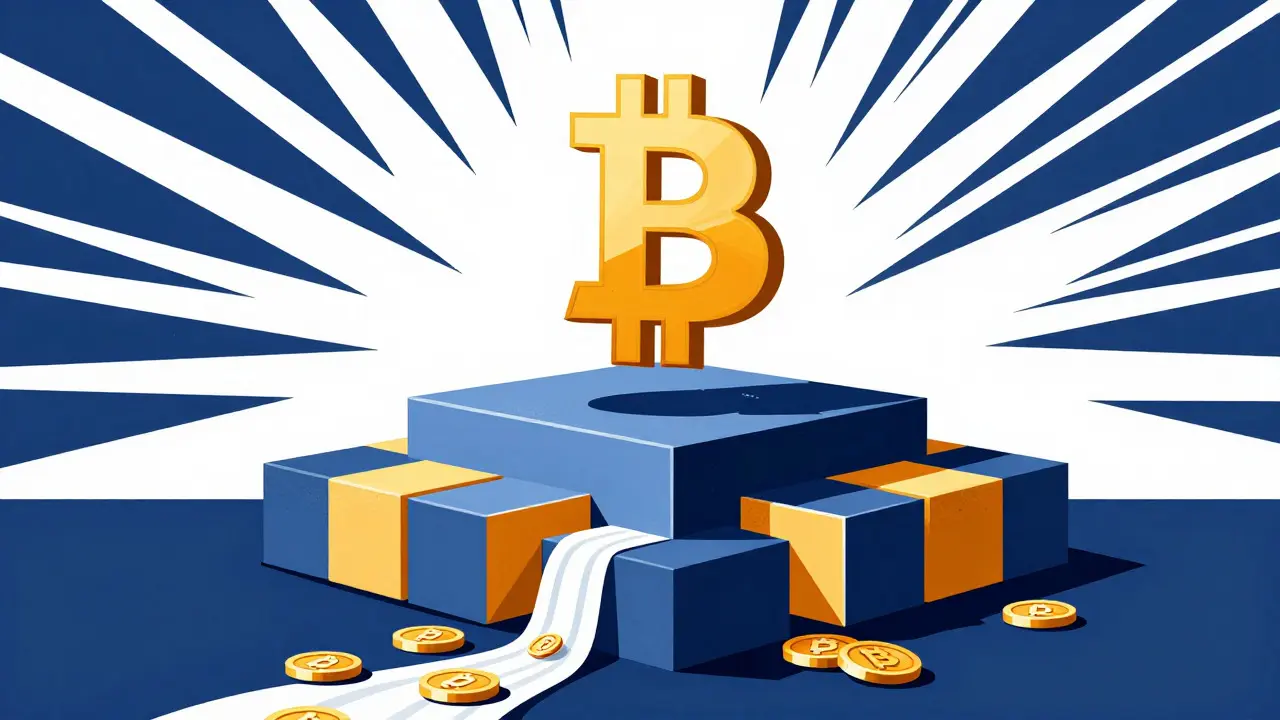
Here is where things get interesting for holders. The whitepaper explicitly claims that XPX is the first SmartDeFi token coded to automatically reward Bitcoin (BTC), the world's largest cryptocurrency by market cap, used here as a reward currency distributed to stakers instead of the native token. Why Bitcoin? Because it is widely viewed as "digital gold" and the safest store of value in the crypto space. By paying rewards in BTC, the project aligns itself with long-term value accumulation rather than inflationary token printing.
So, how does this work? When you buy or sell XPX, a small percentage of that transaction is taxed. These taxes don't disappear; they flow into a staking pool. The protocol then converts these funds into Bitcoin and distributes them to users who lock up (stake) their XPX tokens. This creates a powerful incentive: you aren't just holding a token hoping its price goes up; you are earning hard Bitcoin simply by holding it.
However, there is a catch. The sustainability of these rewards depends on trading volume. If nobody buys or sells XPX, the tax revenue dries up, and the BTC rewards slow down. This makes the health of the community and the adoption of the payment tools critical for the long-term viability of the staking program.
Real-World Utility: XPX PAY and the Marketplace
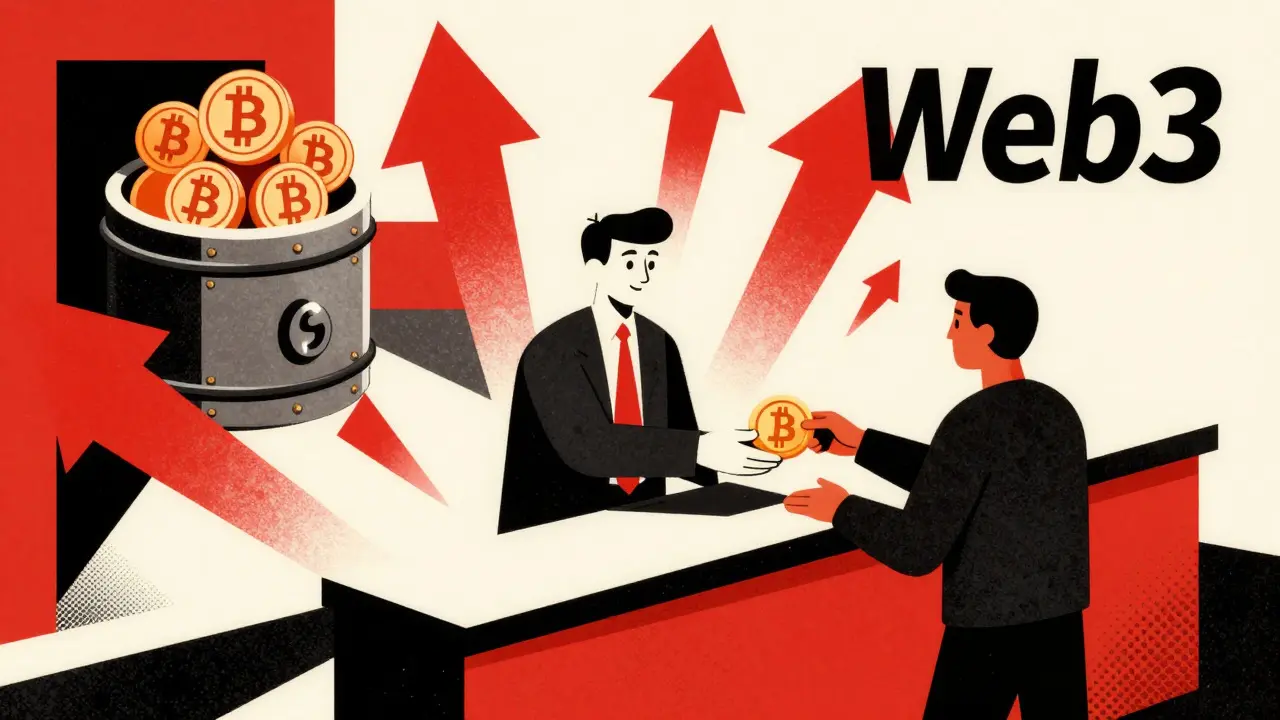
A token without use cases is just a speculative bet. The SmartDeFi team has outlined a roadmap that includes XPX PAY, a payment gateway solution designed to enable seamless crypto-to-cash transactions for merchants and consumers in the web3 ecosystem. The goal is to solve a major pain point for businesses: volatility. Merchants hate accepting crypto because the value can change by the time they convert it to fiat currency.
XPX PAY aims to bridge this gap by allowing instant conversion. A customer pays in XPX, and the merchant receives a stable equivalent, while the XPX remains in circulation within the ecosystem. Additionally, the project plans a web3 marketplace where holders get exclusive discounts. Imagine buying digital goods, NFTs, or even physical merchandise at a reduced rate simply because you hold XPX. This creates a circular economy where the token has daily utility beyond just sitting in a wallet.
Tokenomics: Supply and Distribution
Understanding the numbers is crucial. The maximum supply of the SmartDeFi XPX token is set at 100 billion. As of recent listings, approximately 83 billion were accounted for in circulation or minted. This high supply number often scares investors, but context matters. With a low unit price (often fractions of a cent), a large supply allows for broader distribution and smaller entry points for retail investors.
The distribution relies heavily on the buy/sell tax model mentioned earlier. Unlike traditional Initial Coin Offerings (ICOs) where teams raise millions upfront, this model generates revenue continuously through usage. This means the project’s treasury grows as people trade and use the platform, theoretically reducing the need for future venture capital injections that could dilute holder value.
Risks and Due Diligence
No investment is risk-free, and early-stage DeFi tokens carry significant volatility. Here are three specific risks to watch for with XPX:
- Smart Contract Risk: Since the token relies on complex logic for asset backing and automatic BTC rewards, any bug in the code could lead to loss of funds. Always check if independent audits have been published by reputable firms.
- Liquidity Depth: As a micro-cap token, XPX may have lower liquidity compared to giants like Ethereum or Solana. This means large buy or sell orders could cause significant price slippage.
- Ticker Confusion: As noted earlier, always verify the contract address. Sending funds to the Sirius Chain address when you meant to buy the SmartDeFi token will result in lost assets.
Furthermore, regulatory clarity around "asset-backed" tokens and automatic staking rewards is still evolving globally. Keep an eye on local regulations regarding whether these rewards are classified as income, which could have tax implications for holders.
Is XPX Right for You?
The SmartDeFi XPX token appeals to a specific type of investor: someone who believes in the convergence of payments, DeFi, and Bitcoin dominance. If you are looking for a passive way to accumulate Bitcoin while supporting a growing web3 payment ecosystem, XPX offers a novel mechanism. However, if you prefer established infrastructure plays with years of historical data, the older Sirius Chain project might be more familiar, albeit with a different value proposition.
Always do your own research. Check the latest whitepaper updates, join the community channels to gauge sentiment, and start small. The crypto market moves fast, and understanding the underlying technology is your best defense against uncertainty.
What is the difference between XPX and ProximaX?
They are two completely different projects sharing the same ticker symbol. ProximaX (now Sirius Chain) is an older infrastructure project focused on decentralized storage launched in 2018. The new XPX is a SmartDeFi token focused on payments and BTC staking rewards, with a whitepaper updated in 2024. Always check the contract address to ensure you are buying the correct one.
How does XPX earn Bitcoin rewards?
XPX uses a transaction tax system. A percentage of every buy and sell order is collected and converted into Bitcoin. This Bitcoin is then distributed to users who stake their XPX tokens. This means you earn BTC simply by holding and locking your tokens in the staking protocol.
What is SmartDeFi technology?
SmartDeFi is a framework that combines decentralized finance with asset-backed value. It ensures that a portion of the token's value is supported by a reserve of assets, providing a baseline floor price. This aims to reduce volatility and increase the durability of the token compared to standard meme coins.
What is XPX PAY used for?
XPX PAY is a payment gateway solution designed for merchants. It allows consumers to pay with XPX tokens while enabling merchants to receive stable, crypto-to-cash settlements. This helps integrate the token into real-world e-commerce and reduces friction for businesses accepting cryptocurrency.
Is XPX a safe investment?
Like most early-stage crypto tokens, XPX carries high risk. While the asset-backing mechanism aims to provide stability, the token is still subject to market volatility, smart contract risks, and liquidity issues. It is considered a high-risk, high-reward asset suitable for investors who understand DeFi mechanics and perform thorough due diligence.