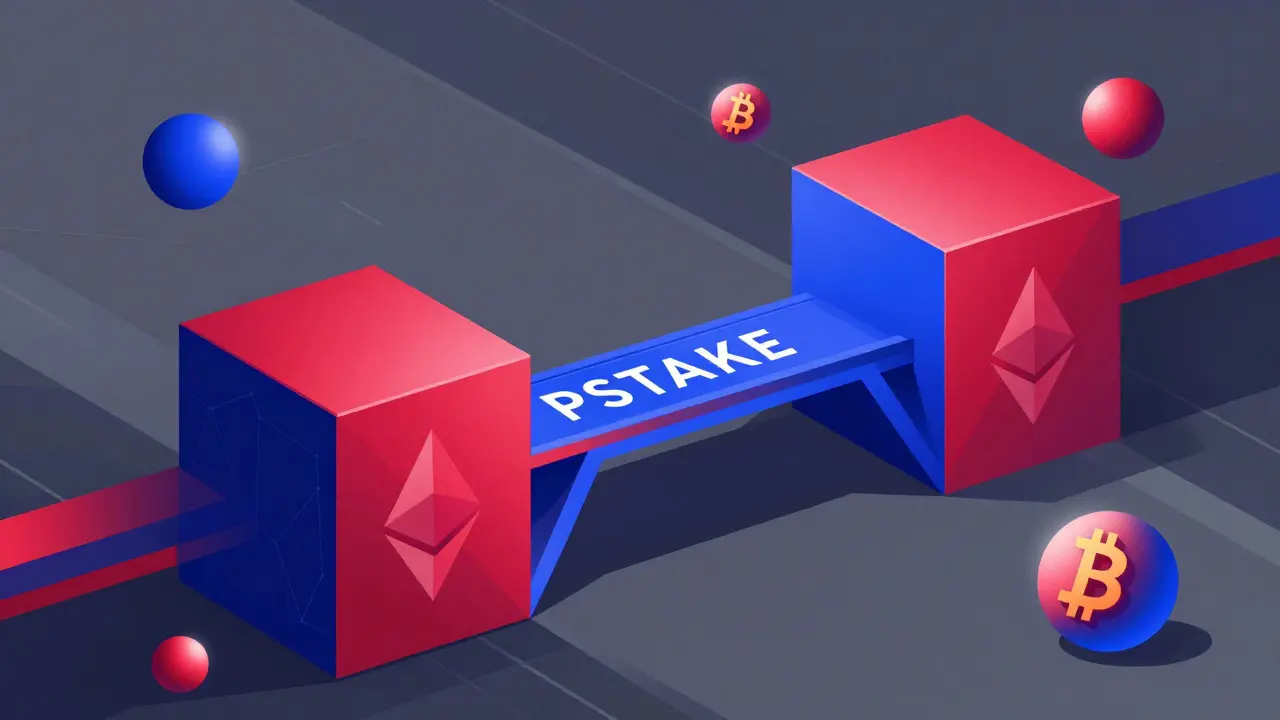
Remember when pSTAKE Finance was just another liquid staking protocol? If you’ve been in the crypto space since 2022, you probably recall it as a bridge between Cosmos and Ethereum. But if you look at their website today, the narrative has shifted dramatically. The project now describes itself as a "research collective" exploring the intersection of decentralized networks and artificial intelligence. This pivot can be confusing for investors who bought into the original value proposition. So, what exactly is pSTAKE Finance (PSTAKE) right now, and is it still worth your attention?
The short answer is that pSTAKE is in transition. It started as a yield-generating tool for Bitcoin and other assets but is currently rebranding toward AI-driven blockchain infrastructure. Understanding this shift is crucial because the token’s utility, risks, and future potential depend entirely on which version of the project you are evaluating.
The Origin Story: From Liquid Staking to BTCfi
To understand where pSTAKE is going, we need to look at where it came from. Founded around 2022, pSTAKE Finance initially positioned itself as a liquid staking protocol. In simple terms, liquid staking allows you to stake your crypto assets-like ATOM or BTC-to earn rewards without locking up your liquidity. You receive a derivative token (often called a pToken) that represents your staked asset plus accrued interest. You can then use these pTokens in other DeFi applications while still earning staking yields.
The project gained traction by bridging two major ecosystems: Cosmos and Ethereum. By allowing users to deposit Proof-of-Stake tokens like ATOM and receive ERC-20 wrapped tokens, pSTAKE solved a specific pain point: connectivity. At its peak, it served over 14,000 token holders and was backed by heavyweights like Binance Labs, DeFiance Capital, and Coinbase Ventures.
However, the market evolved. The rise of Lido and Rocket Pool dominated the Ethereum liquid staking space, making it hard for smaller players to compete. In response, pSTAKE pivoted to Bitcoin finance (BTCfi). They integrated with Babylon, a protocol that enables trustless Bitcoin staking. This allowed users to liquid stake BTC to secure other app chains while maintaining liquidity, powered by institutional custody providers like Cobo. This move was strategic, tapping into the massive $570 billion Bitcoin market, but it also marked the beginning of the end for their pure staking identity.
The Current Identity: An AI Research Collective
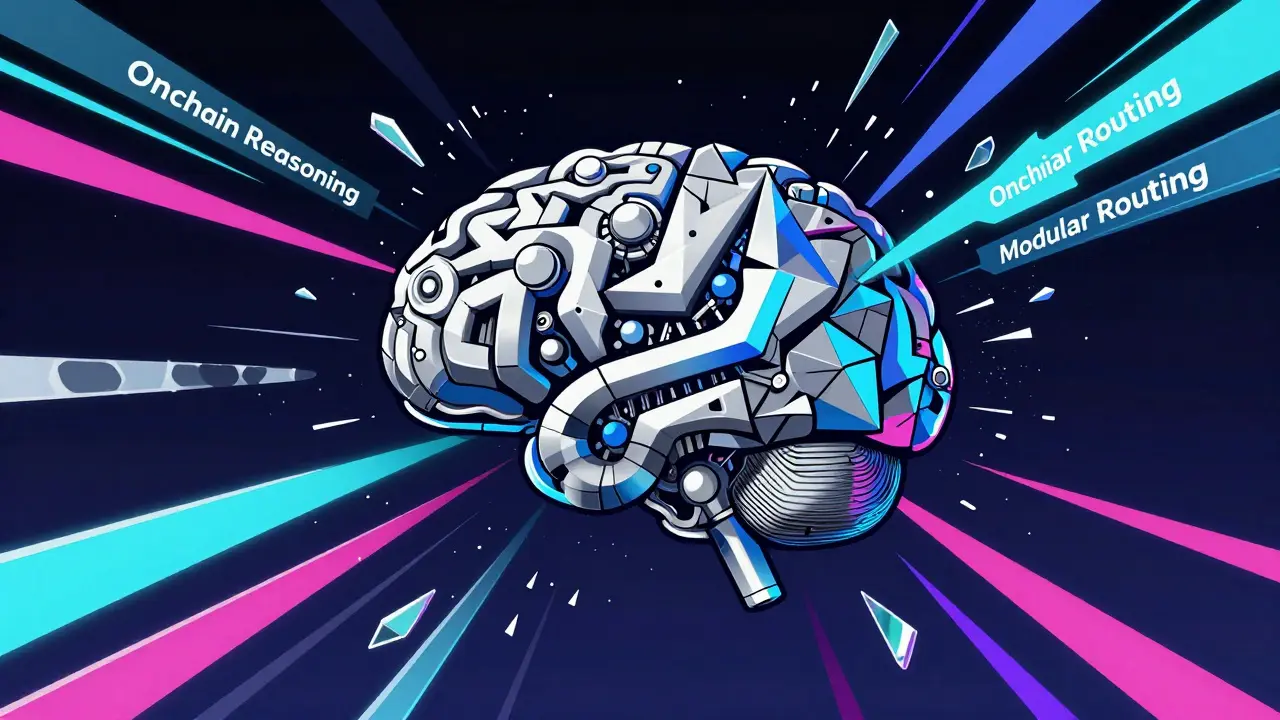
If you visit pstake.finance today, you won’t find prominent calls to action for staking. Instead, you’ll see language about "Onchain Reasoning," "Modular Routing," and "Verifiable AI Flows." The project now claims to be researching how decentralized networks and AI evolve together. This is a significant departure from their roots.
This new direction focuses on four key areas:
- Onchain Reasoning: Using AI systems to validate protocol logic in real-time.
- Modular Routing: Creating intelligent pathways for cross-chain assets.
- Verifiable AI Flows: Ensuring transparent attribution for AI-native assets.
- Predictive Optimizing: Deploying agents to optimize liquidity and governance using data.
Why the change? The crypto market is saturated with staking protocols, but the integration of AI and blockchain remains a hot, underexplored frontier. By rebranding as a research collective, pSTAKE aims to position itself at the "intelligence layer" where Web3 and traditional finance converge. However, this transition creates ambiguity. Are they building a product, or just publishing research? For investors, this lack of clarity introduces risk.
Tokenomics and Market Reality
Let’s talk numbers, because the data tells a story of volatility and fragmentation. As of early 2026, PSTAKE has a total supply of 500,000,000 tokens, with approximately 439,650,000 in circulation. That means nearly 88% of all tokens are already available in the market.
Here is where things get tricky. There is a notable discrepancy in market valuation across different platforms. Some aggregators report a market cap below $1 million, while others show figures closer to $8 million. This variance often stems from data synchronization issues or different listing venues. More concerning is the price action. Technical analysis from sources like Investing.com indicates a "Strong Sell" outlook based on moving averages, with multiple sell signals across various timeframes.
| Metric | CoinMarketCap | Binance | CoinCodex |
|---|---|---|---|
| Market Cap | ~$360,000 | ~$8,220,000 | ~$401,000 |
| 24h Volume | ~$327,000 | ~$13,390,000 | ~$548,000 |
| Price Trend | Volatile | +3.59% | -8.07% |
This volatility suggests that PSTAKE is not yet a stable store of value. The wide gap between high-volume exchanges like Binance and smaller aggregators indicates that liquidity is fragmented. If you are considering trading PSTAKE, you must check the order book depth on your specific exchange before placing orders.
Security and Partnerships
In the world of DeFi, security is non-negotiable. pSTAKE has addressed this by partnering with leading blockchain security firms. According to documentation, they have worked with Halborn, Hexens, Oak Security, Immunefi, and Forta. These audits are critical, especially given the project’s history with smart contracts handling billions in underlying assets.
However, audits are snapshots in time. The recent pivot to AI research may involve new codebases or integrations that haven’t been publicly audited yet. Always verify if the latest updates have undergone security reviews before interacting with any new features.
Is PSTAKE Right for You?
Deciding whether to engage with pSTAKE depends on your goals. If you are looking for a reliable, low-risk yield generator, PSTAKE is likely not the best choice. The market cap is small compared to giants like Lido, and the technical indicators suggest downward pressure. Furthermore, the confusion between their old staking model and new AI focus makes it hard to assess long-term viability.
On the other hand, if you are an early-stage investor interested in the convergence of AI and blockchain, PSTAKE offers exposure to a niche narrative. Their backing by Binance Labs and Coinbase Ventures provides some credibility, suggesting that institutional capital still sees potential in their research direction. But remember, research doesn’t always translate to revenue. You are betting on their ability to execute this pivot successfully.

Key Takeaways
- Identity Shift: pSTAKE has moved from a liquid staking protocol to an AI-focused research collective.
- Volatility: The token experiences significant price swings and data discrepancies across exchanges.
- Backers: Strong support from Binance Labs and Coinbase Ventures adds legitimacy.
- Risk Level: High. Due to low market cap, unclear product roadmap, and competitive landscape.
- Utility: Currently ambiguous; transitioning from staking yields to AI infrastructure research.
Frequently Asked Questions
What is the main purpose of the PSTAKE token?
Originally, PSTAKE was used for governance and fee discounts within the liquid staking protocol. With the pivot to AI research, the utility is less defined. It likely serves as a governance token for the research collective, but specific use cases for the new AI-focused initiatives are not clearly detailed in public documentation.
Can I still stake Bitcoin through pSTAKE?
The project previously enabled Bitcoin liquid staking via Babylon integration. However, their current website emphasizes AI research rather than active staking services. You should verify if the staking interface is still operational and if rewards are being distributed before depositing funds. The focus has shifted away from user-facing staking products.
Why is there a big difference in PSTAKE price across exchanges?
This discrepancy is common in low-cap cryptocurrencies. It often results from varying liquidity depths, delayed data feeds, or different trading pairs. Binance might show higher volume due to larger order books, while smaller aggregators reflect thinner markets. Always check multiple sources and the actual order book before trading.
Who are the investors behind pSTAKE Finance?
pSTAKE is backed by prominent venture capital firms including Binance Labs, DeFiance Capital, Spartan Group, and Coinbase Ventures. This institutional support suggests confidence in the team’s ability to navigate the crypto landscape, even as they pivot strategies.
Is PSTAKE considered a safe investment?
No cryptocurrency is guaranteed safe, but PSTAKE carries higher-than-average risk. Its small market cap, recent strategic pivot, and negative technical indicators (such as strong sell signals on moving averages) make it volatile. It is suitable only for investors who understand the risks of early-stage, pivoting projects.
Comments
Tricia Alach
honestly this whole pivot feels like a desperate attempt to stay relevant in the ai hype cycle. they were doing fine with staking until everyone started talking about neural networks and now suddenly they are a research collective? it reminds me of that time i tried to learn cooking by watching youtube videos instead of actually buying ingredients. you cant just rebrand your way out of a bad market position without building actual product utility first. the fact that their tokenomics are so fragmented across exchanges is a huge red flag for anyone who isnt running a high frequency trading bot. i mean sure having binance labs as a backer sounds fancy but does that actually help the average holder when the price is crashing on coinmarketcap while looking stable on binance? probably not. its just another case of venture capital money trying to force a narrative that doesnt exist yet. people need to be careful because research papers dont pay bills or generate yield for the stakers who put their money in during the early days. its confusing and frankly a bit dishonest to leave old users hanging while chasing the new shiny object.
May 18, 2026 at 18:04
Sarah C
i think we should give them some grace here since pivoting is part of the startup lifecycle in crypto. many projects start with one idea and evolve based on what the market needs at that moment. it might be risky but at least they are trying to innovate rather than just copying lido exactly. maybe the ai integration will actually solve some real problems in cross-chain routing that we havent thought of yet. its always good to see teams exploring new frontiers even if it means short term volatility for the token holders.
May 20, 2026 at 09:05
Kimberly Herbstritt
actually i disagree completely because innovation usually comes from focused execution not scattered research efforts. when a company loses its core identity it usually loses its customers too. look at how many other protocols tried to add ai features and failed miserably because they didnt understand the underlying technology. pSTAKE is no different and pretending otherwise is just marketing fluff designed to pump the token price before insiders dump their bags. nobody cares about modular routing right now they care about yield and security which this project is currently lacking according to all the technical indicators mentioned in the post.
May 20, 2026 at 23:20
Sharada Vakkund
let us look at this from a broader perspective where both sides have valid points about the risks and opportunities involved. the transition from liquid staking to ai infrastructure is indeed complex and requires significant resources that not every team can handle effectively. however the involvement of major investors like coinbase ventures suggests there is some strategic planning behind the scenes that may not be visible to retail investors immediately. we should encourage open dialogue about these shifts in the industry so that everyone can make informed decisions based on comprehensive data rather than emotional reactions to price movements or brand changes. education is key here for understanding how decentralized networks intersect with artificial intelligence systems in ways that could benefit the entire ecosystem over time.
May 21, 2026 at 09:33
Sudarshan Anbazhagan
it is quite amusing to witness such naive optimism regarding a project that has fundamentally abandoned its original value proposition without delivering any tangible results in the new domain. the notion that one can simply declare oneself a research collective and expect the market to reward such ambiguity is utterly deluded and ignores basic principles of financial sustainability and user trust. furthermore the discrepancy in market cap data across platforms serves as a glaring indicator of illiquidity and potential manipulation which should deter any rational actor from engaging with this asset class under current conditions. those who continue to defend this pivot merely demonstrate a lack of understanding regarding the rigorous standards required for successful technological adoption in the blockchain space where execution matters far more than rhetoric.
May 21, 2026 at 18:46