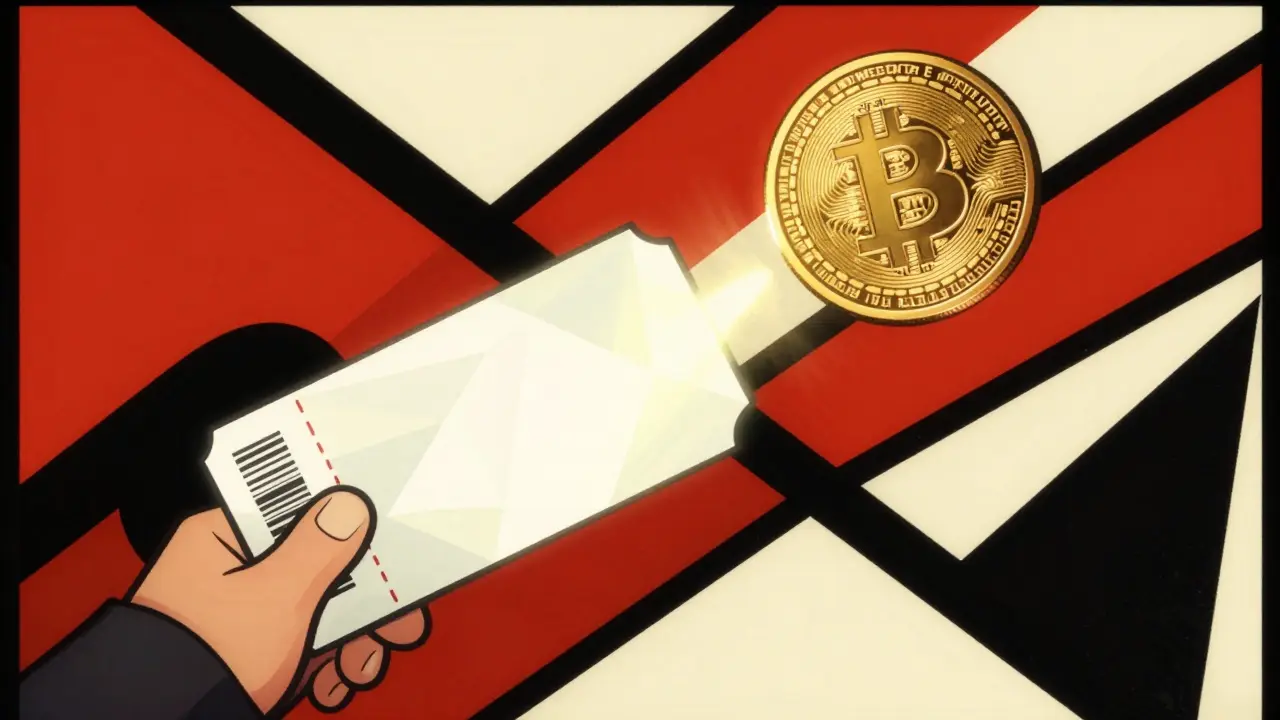
Imagine buying a ticket to your favorite musician’s inner circle. Not just a concert ticket, but a permanent pass that lets you vote on their next album cover, buy limited-edition merch before anyone else, and chat directly with them. Now imagine that ticket has a price tag that goes up or down based on how popular the artist gets. That is essentially what social tokens are.
In the traditional creator economy, platforms like YouTube or Instagram take a cut of your earnings and control who sees your content. Social tokens flip this model. They allow creators, influencers, and even communities to issue their own personal cryptocurrency. These tokens act as membership passes, currency, and voting tools all rolled into one digital asset.
If you have been hearing buzzwords like "creator coins" or "community tokens" and wondered if they are just another crypto fad, you are not alone. The reality is more nuanced. Social tokens represent a structural shift in how value moves between creators and fans. Let's break down exactly what they are, how they work, and why they matter for the future of online influence.
The Anatomy of a Social Token
To understand social tokens, you first need to strip away the hype and look at the technology. At their core, these are simply cryptocurrencies built on existing blockchains. Most commonly, you will see them issued on Ethereum, the leading smart contract platform, Solana, known for high speed and low fees, or Polygon, a scaling solution for Ethereum.
Unlike Bitcoin, which is decentralized and has no single owner, a social token is usually issued by a specific individual or group. Think of it as a branded coin. If a podcaster named Alex launches a token called $ALEX, that token represents a stake in Alex's brand and community.
Here is how the basic mechanics work:
- Emission: The creator sets a fixed supply (e.g., 10,000 tokens) or an infinite supply with inflationary controls.
- Distribution: Tokens are sold to early supporters via Initial Fan Offerings (IFOs) or listed on exchanges.
- Utility: Holding the token unlocks specific benefits defined by the creator.
- Trading: Fans can buy or sell the token on secondary markets, meaning its price fluctuates based on demand.
This structure creates a direct economic link. When a fan buys the token, they are not just donating; they are investing in the creator's future success. If the creator grows, the token's utility and perceived value often rise. If the creator loses relevance, the token price may drop. It is a transparent, market-driven relationship.
Why Creators Are Switching to Social Tokens
You might ask, why would a creator bother with the complexity of blockchain when Patreon exists? The answer lies in ownership and flexibility.
On platforms like Patreon or OnlyFans, the creator is renting space. The platform can ban you, change its fee structure, or alter its algorithm overnight. With social tokens, the creator owns the economy. The tokens live on the blockchain, independent of any single company's rules.
Consider the revenue potential. Traditional models rely on monthly subscriptions. Social tokens introduce speculative value. Fans might hold a token because they believe the creator will launch a new product line, go on tour, or collaborate with big brands. This speculation drives liquidity. Creators can also use tokens for governance, letting holders vote on creative decisions. This turns passive consumers into active stakeholders.
Furthermore, social tokens enable cross-community collaboration. Two creators can accept each other's tokens for merchandise, creating a mini-economy without needing a third-party payment processor to take a 3% cut. This interoperability is something centralized platforms struggle to replicate.
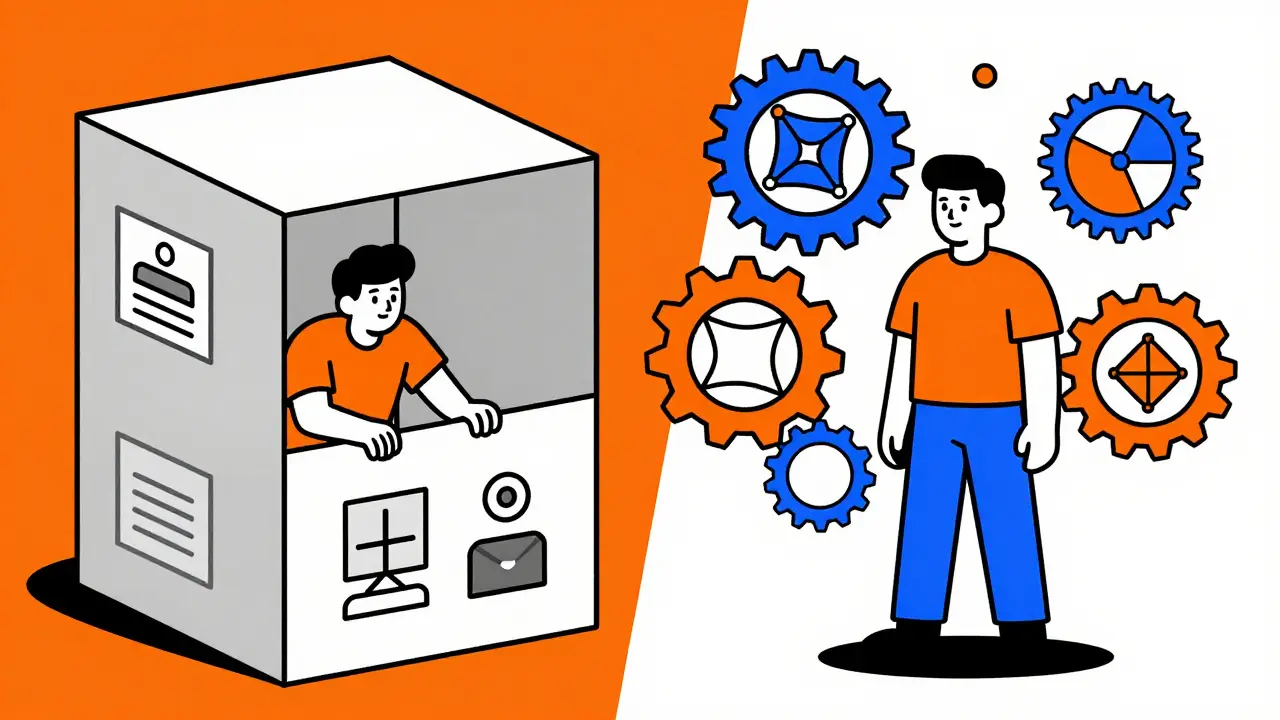
Benefits for Fans: More Than Just Hype
Fans are not just funding sources; they are the engine of the social token ecosystem. So, what do they get out of it besides bragging rights?
First, there is exclusive access. This is the most common utility. Holding a certain number of tokens might grant entry to a private Discord channel, early access to tickets, or behind-the-scenes video content. Unlike a standard VIP list, this access is verifiable on the blockchain. You cannot fake holding the token.
Second, there is financial upside. If a creator signs a major deal or releases a hit song, the demand for their token may spike. Early supporters who bought in at a low price can sell their tokens for a profit. This transforms fandom into a potential income stream, albeit a risky one.
Third, there is governance power. In some projects, token holders vote on charity donations, merchandise designs, or even the direction of the creator's content. This gives fans a sense of agency and deeper connection to the creator's journey. It changes the dynamic from "watcher" to "partner."">
| Feature | Patreon / Substack | Social Tokens |
|---|---|---|
| Ownership | Platform-owned account | User-owned digital asset |
| Liquidity | Non-transferable subscription | Tradable on open markets |
| Governance | Rarely offered | Built-in voting rights |
| Fee Structure | High platform fees (5-15%) | Low network gas fees + exchange fees |
| Interoperability | Closed ecosystem | Open blockchain standards |
How to Buy and Use Social Tokens
Getting started with social tokens is easier than many people think, though it does require a bit of technical setup. Here is the step-by-step process for a beginner.
- Set Up a Wallet: You need a non-custodial crypto wallet. MetaMask is the most popular choice for Ethereum-based tokens, while Phantom is widely used for Solana. Download the extension or app and secure your seed phrase offline.
- Acquire Cryptocurrency: Buy ETH, SOL, or MATIC from a centralized exchange like Coinbase or Binance. Transfer this crypto to your wallet address.
- Find the Token: Locate the social token on a platform like Rally, Roll, or a decentralized exchange (DEX) like Uniswap or Raydium. Always verify the contract address to avoid scams.
- Swap for Tokens: Connect your wallet to the DEX or platform. Enter the amount of crypto you want to swap for the social token. Confirm the transaction and pay the network gas fee.
- Unlock Benefits: Once the tokens are in your wallet, visit the creator's website or community portal. Connect your wallet to prove ownership and access exclusive content or voting interfaces.
Note that prices can be volatile. You should only invest money you are willing to lose, just as you would with any speculative asset.
Risks and Challenges in the Space
Social tokens are not without risks. Understanding these pitfalls is crucial for both creators and investors.
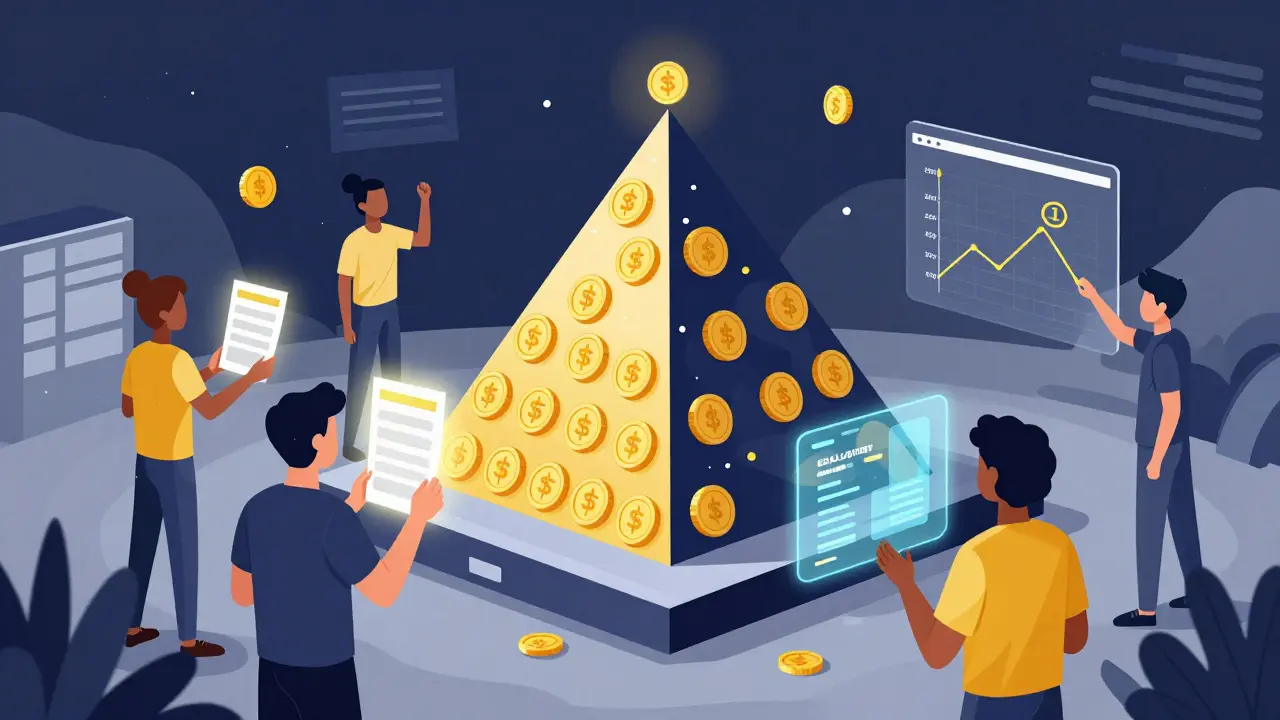
Volatility: Because social tokens trade on open markets, their prices can swing wildly. A negative news story about a creator can crash the token price instantly. Conversely, hype can inflate prices unsustainably, leading to a bubble burst.
Regulatory Uncertainty: Governments are still figuring out how to classify social tokens. Are they securities? Commodities? Digital collectibles? In the US, the SEC has scrutinized similar assets. Regulatory changes could impact how these tokens are traded or taxed.
Scams and Rug Pulls: The ease of creating tokens means bad actors can launch fake social tokens impersonating famous creators. Always check official links from the creator's verified social media accounts. Never click suspicious links in DMs.
Technical Barriers: While improving, using blockchain wallets and managing private keys remains difficult for non-tech-savvy users. Losing your seed phrase means losing your tokens forever. There is no customer support to reset your password.
The Future of Creator Economies
Social tokens are likely here to stay, evolving alongside broader Web3 adoption. We are seeing a trend toward hybrid models where social tokens complement NFTs. For example, a creator might issue a social token for general community access and sell rare NFTs for ultra-exclusive perks. This layered approach maximizes revenue streams.
As user interfaces become smoother and regulatory frameworks clarify, we expect mainstream creators to adopt social tokens more readily. The key advantage remains clear: direct ownership. In a world where algorithms dictate visibility, owning your audience through a tokenized economy offers a level of security and independence that traditional platforms cannot match.
Whether you are a creator looking to diversify revenue or a fan wanting a deeper connection, social tokens offer a compelling new paradigm. They turn attention into equity and fandom into participation.
Are social tokens legal?
The legality of social tokens varies by jurisdiction. In many countries, they are treated as digital assets or commodities. However, if a token promises profits based on the efforts of others, regulators like the US SEC may classify it as a security, subjecting it to stricter laws. Always consult local regulations before trading or issuing tokens.
Can I make money from social tokens?
Yes, but it is risky. You can profit if the token's price increases due to growing demand for the creator's content. However, prices can also drop significantly. Many fans treat social tokens as a way to support creators rather than a primary investment strategy. Never invest more than you can afford to lose.
What is the difference between a social token and an NFT?
Social tokens are fungible, meaning each token is identical and interchangeable (like dollars). NFTs are non-fungible, meaning each item is unique (like a painting). Social tokens are often used for general membership and voting, while NFTs are used for exclusive, one-of-a-kind perks or art. They often work together in a creator's ecosystem.
Which blockchain is best for social tokens?
It depends on your priorities. Ethereum is the most established but has higher transaction fees. Solana offers very low fees and fast transactions, making it popular for frequent micro-transactions. Polygon provides a middle ground with lower costs than Ethereum mainnet. Choose based on the creator's preferred ecosystem and your cost sensitivity.
How do creators issue social tokens?
Creators typically use platforms like Rally, Roll, or Genie that simplify the process. These platforms handle the smart contract creation, initial distribution, and integration with payment gateways. Alternatively, developers can write custom smart contracts using standards like ERC-20 (for Ethereum) or SPL (for Solana), though this requires technical expertise.