Gas Fees Explained: What They Are, Why They Matter, and How to Avoid Paying Too Much
When you send crypto, pay for an NFT, or swap tokens, you’re not just moving money—you’re paying for gas fees, the cost to process a transaction on a blockchain network. Also known as transaction fees, these charges keep networks like Ethereum, Solana, and Base running by rewarding miners or validators for their work. Think of it like tolls on a highway: the busier the road, the higher the price to get through.
Ethereum, the most widely used blockchain for DeFi and NFTs is where gas fees hit hardest. During peak times, a simple token swap can cost $10, $20, or even more—sometimes more than the trade itself. That’s not a glitch. It’s supply and demand. When everyone’s buying, selling, or minting at once, the network gets crowded. Miners prioritize transactions offering the highest fees, leaving low-bidders waiting or stuck. Wallet fees, the extra charges some apps add on top of network gas make it worse. Some platforms slap on 5-15% markup, turning a $2 fee into $10.
But you don’t have to pay it. Blockchain fees, the broader category that includes gas and other network charges vary wildly across chains. Solana, for example, runs at a fraction of a cent per transaction. Base, Optimism, and Polygon are also built to cut costs. If you’re trading often, switching to a cheaper chain isn’t cheating—it’s smart. You can still interact with Ethereum-based apps through bridges, but save your money by doing the heavy lifting on low-fee networks.
And timing matters. Gas fees spike when people panic-buy, when major NFT drops launch, or when big news hits. Most users pay too much because they hit ‘confirm’ the second they see a price. But if you wait an hour—or even just 15 minutes—fees often drop by half. Tools like Etherscan’s gas tracker or MetaMask’s fee estimator show real-time trends. You don’t need to be a coder to use them.
There’s no magic fix. But understanding what gas fees are, where they come from, and how to avoid overpaying puts you ahead of 90% of crypto users. You’ll stop wasting money on unnecessary charges, spot shady platforms hiding extra fees, and make smarter decisions about which networks to use. Below, you’ll find real-world examples of how gas fees ruined trades, how some users saved hundreds by switching chains, and which platforms are hiding fees in plain sight.
Posted by
HELEN Nguyen
10 Comments
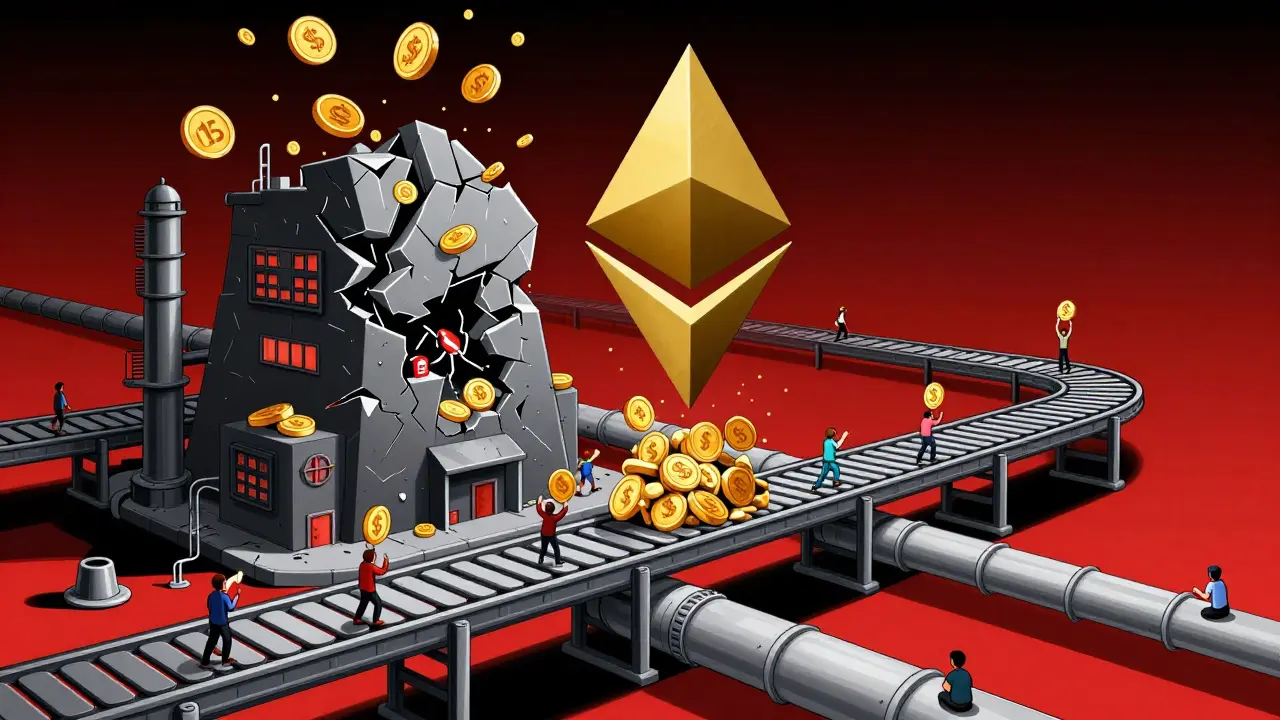
Gas fees on Ethereum have dropped 97% since 2023 thanks to Layer 2 solutions like Arbitrum and Optimism. Discover how these networks cut costs, why they're the future, and how to use them today.
read more