3D Asset Generation in Crypto: How Digital Models Power NFTs, Metaverses, and Blockchain Projects
When you see a 3D asset generation, the process of creating three-dimensional digital objects for use in virtual environments. Also known as 3D modeling for blockchain, it's what turns a simple JPEG into a spinning NFT you can wear in a virtual gallery or place in a digital real estate plot. This isn't just about pretty graphics—it's the backbone of how crypto moves from ledgers into living spaces.
Think of NFTs, unique digital tokens that represent ownership of digital items like art, music, or 3D models. Most of the valuable ones you see on OpenSea or Blur aren’t flat images—they’re 3D assets. Artists use tools like Blender, Maya, or even AI-powered generators to build these models, then mint them as NFTs. These aren’t just collectibles; they’re interactive objects. A virtual sneaker you buy as an NFT? It’s a 3D asset. A character in a play-to-earn game? Built from 3D asset generation. And when platforms like Decentraland or The Sandbox let you walk around, you’re moving through a world made entirely of these digital objects.
Behind every successful NFT project or metaverse launch is a team that knows how to create, optimize, and license 3D assets. Some creators use generative AI to produce thousands of variations quickly. Others hand-sculpt every polygon for high-end collectibles. The cost? From free tools to $50,000+ for custom characters. The key? It’s not about how fancy the model is—it’s about whether it works in the environment it’s meant for. A low-poly 3D asset in a mobile game might be perfect. That same asset in a VR headset? It’ll look broken. That’s why smart projects don’t just mint NFTs—they design assets with the platform in mind.
And it’s not just art. blockchain assets, digital items tied to blockchain networks that have verifiable ownership and utility now include virtual furniture, weapons, vehicles, and even entire buildings. These aren’t just for show—they’re part of economies. You can rent out your 3D-generated apartment in a metaverse. You can trade a rare 3D sword in a game and cash out in crypto. The value isn’t in the pixels—it’s in the access, the rarity, and the permissionless ownership blockchain gives you.
What you’ll find in the posts below isn’t a tutorial on how to model a dragon in Blender. It’s the real-world impact of 3D asset generation in crypto. You’ll see how NFT artists turned simple models into million-dollar sales. How some projects failed because their assets didn’t load right on mobile. How scams used fake 3D previews to trick buyers. And how the next wave of crypto isn’t just about coins—it’s about the worlds you can step into, wear, and own.
Posted by
HELEN Nguyen
7 Comments
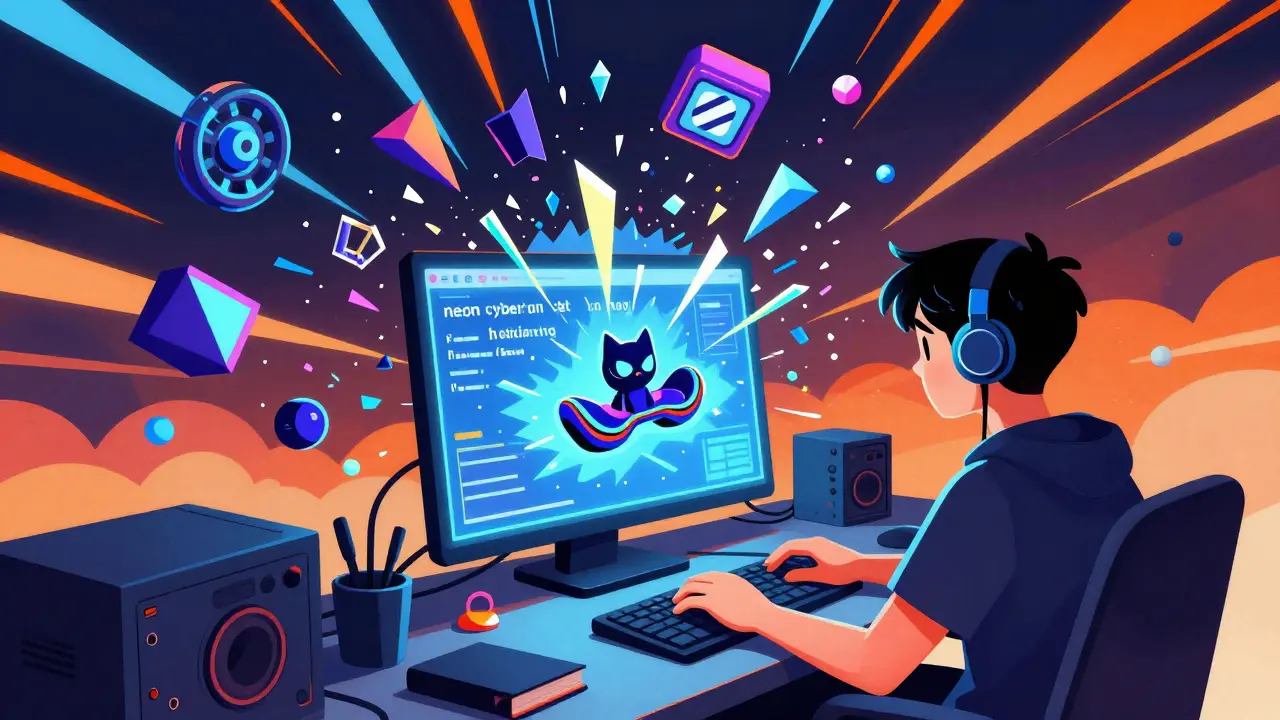
NeuralAI (NEURAL) is a crypto token powering an AI platform that turns text into 3D models in seconds. Used by indie game devs and creators, it offers ownership and royalties through tokenization. Market cap: $21.45M as of December 2025.
read more