Imagine logging into a trading platform that promises instant swaps and zero fees. Then you try to withdraw your profits, only to be hit with a surprise "verification fee" that eats up half your balance. If you have heard whispers about Sunswap v1 being either a hidden gem for TRC20 token trading on the TRON blockchain or a massive red flag, you are not alone. The reality is messy. What started as TRON’s first native decentralized exchange in 2020 has morphed into a controversial entity that confuses even seasoned investors. Some see a simple tool for swapping tokens; others see a trap set by imposter sites using a defunct brand name.
This review cuts through the noise. We will look at what Sunswap v1 actually is, how it differs from the fake sites popping up under the same name, and whether it still makes sense to use in 2026. By the end, you will know exactly where your money is safe and where it is at risk.
What Exactly Is Sunswap v1?
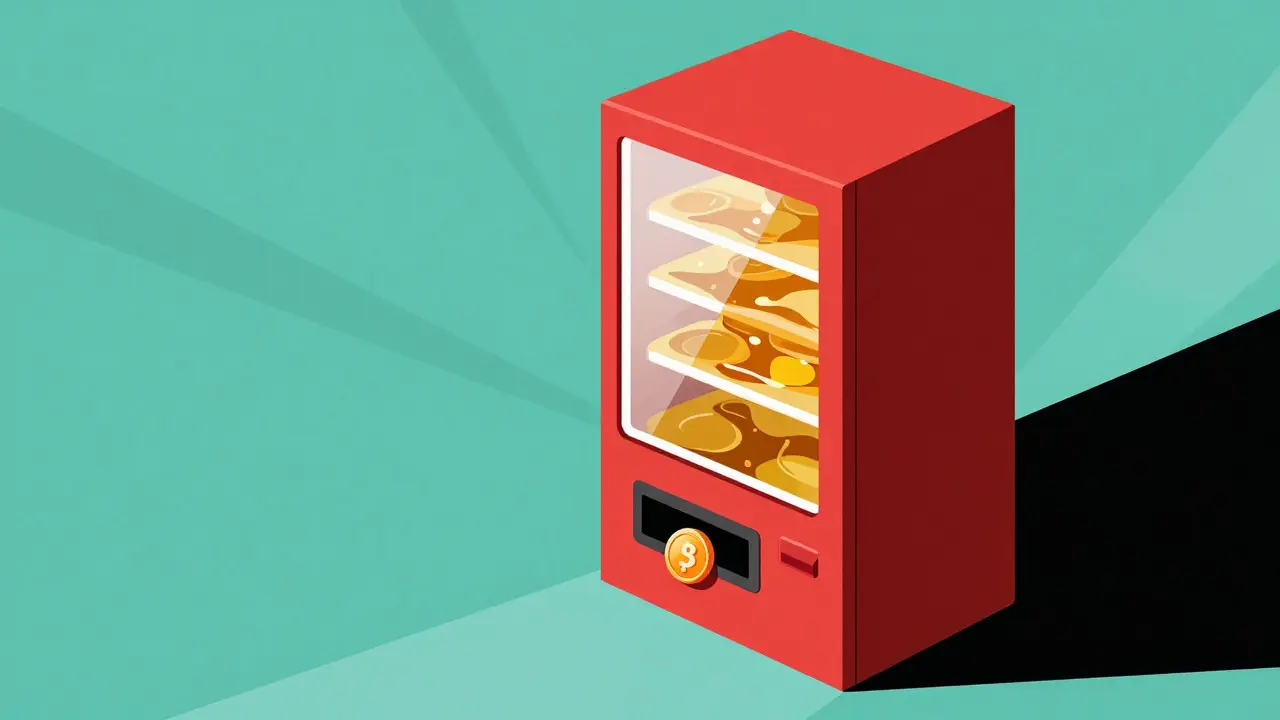
To understand the confusion, we need to separate the original protocol from the current chaos. Sunswap v1 is a decentralized exchange (DEX) built exclusively on the TRON network that launched in 2020. Created by the SUN.io development team, its sole purpose was to allow users to swap TRC20 tokens directly without a middleman. Think of it like a vending machine for specific coins: you put one type in, and it gives you another type out, based on the prices set by liquidity pools rather than an order book.
The architecture was deliberately simple. There were no cross-chain bridges. No fiat currency deposits. Just pure peer-to-peer swaps using the TRON blockchain's infrastructure. In its early days, this simplicity was its selling point. It offered sub-second transaction finality when the network wasn't congested and charged a standard 0.3% fee per swap, which went entirely to liquidity providers. There was no KYC (Know Your Customer) verification, meaning anyone could trade anonymously. For users in regions with strict banking laws or limited access to traditional finance, this feature was incredibly appealing.
The Good: Why People Loved It Initially
When Sunswap v1 launched, it filled a gap in the market. Before major competitors arrived on the TRON ecosystem, there was nowhere else to go for fast, cheap TRC20 swaps. Here is why early adopters stuck around:
- Low Fees: With TRON's low gas costs, swapping small amounts of tokens was almost free compared to Ethereum-based exchanges.
- No Verification: You didn't need to upload your passport or prove your identity. You just connected your wallet and traded.
- Speed: During normal network conditions, swaps completed in under a minute. This was faster than many centralized exchanges during peak hours.
- Eco-Friendly Angle: Because TRON uses a Delegated Proof of Stake consensus mechanism, it consumed significantly less energy than proof-of-work chains, appealing to environmentally conscious traders.
Early reviews from platforms like Marketplace Fairness praised the interface for being "intuitive" and "easy for beginners." If you only wanted to swap TRX for USDT or other popular TRC20 assets, Sunswap v1 did the job efficiently. It was a niche player, but it served its specific audience well during the 2021 DeFi boom.
The Bad: Red Flags and Decline
So, if it worked so well, why is everyone talking about scams? The answer lies in what happened after 2022. The original Sunswap v1 project effectively stalled. Code updates to its core GitHub repositories stopped in July 2022. Documentation became outdated, and community support vanished. By 2024, Coingecko assigned it a reliability rating of 0, noting that only five cryptocurrencies were tradable and that there had been zero registered transactions in the preceding 30 days.
This decline created a vacuum that bad actors quickly filled. A new wave of websites emerged, using the "SunSwap" name but operating completely differently from the original DEX. These imposters introduced features the original never had: visual game-like interfaces, 90-second timers, and guaranteed profit claims. The Washington State Department of Financial Institutions issued a consumer alert in Q3 2024 documenting these fraud cases. Investors reported losing between $9,000 and $85,000 after being unable to withdraw funds without paying undisclosed "advanced verification" fees.
One specific case involved an investor who saw a bonus of over $10,000 credited to their account. When they tried to withdraw, the platform blocked them until they deposited more funds. Another user invested $85,000 and was told they needed to pay a $22,000 fee to "unlock" their withdrawal. These are classic signs of a pig butchering scam, where victims are lured in with easy profits before being drained.
Sunswap v1 vs. Imposter Sites: How to Tell the Difference
This is the most critical part of the review. Are you looking at the real, abandoned DEX, or a fraudulent website designed to steal your wallet contents? Here is a comparison table to help you distinguish them:
| Feature | Original Sunswap v1 (2020-2022) | Fraudulent Imposter Sites (2023-Present) |
|---|---|---|
| Interface Style | Minimalist, technical, similar to Uniswap | Game-like visuals, flashy animations, 90-second timers |
| Trading Mechanism | Automated Market Maker (AMM) based on liquidity pools | Often fake charts or guaranteed fixed returns |
| KYC Requirement | None (Anonymous) | Often asks for ID later under guise of "verification fees" |
| Token Support | Only TRC20 tokens on TRON | Claims to support BTC, ETH, and other non-TRON assets |
| Withdrawal Process | Direct transfer from wallet, standard network fees only | Blocked withdrawals requiring large upfront "taxes" or "fees" |
| Regulatory Status | Unregulated DEX (Gray Area) | Often flagged by state financial regulators as fraud |
If the site you are looking at shows a spinning wheel, a countdown timer, or promises a fixed daily return, it is almost certainly a scam. The original Sunswap v1 was a dry, technical tool. It did not play games. If you see "guaranteed profits," close the tab immediately.
Is Sunswap v1 Still Worth Using in 2026?
Let's be honest: the original Sunswap v1 is effectively dead. With no code updates since 2022 and near-zero trading volume, it offers little value compared to active alternatives. If you are holding TRC20 tokens and want to swap them, you have better options. Platforms like JustLend or newer TRON-native DEXs have picked up the slack, offering higher liquidity and active development.
For existing users who might still have funds in the old protocol, the advice from financial experts is consistent: move your assets to a safer, more liquid environment. TradersUnion's December 2025 assessment explicitly stated, "I do not recommend Sunswap," citing its lack of regulation and unverifiable corporate structure. They advised users to "immediately explore all options for getting your money back" into a reputable wallet or exchange.
However, if you are a new trader entering the space in 2026, avoid Sunswap v1 entirely. The risk of landing on an imposter site is too high. Instead, focus on established decentralized exchanges that have transparent audit trails and active communities. The learning curve for modern DEXs is minimal, and the security benefits outweigh any nostalgia for older protocols.
How to Protect Yourself From Crypto Exchange Scams
Whether you are using Sunswap or any other platform, staying safe requires a few basic habits. Here is a checklist to run through before you deposit a single cent:
- Check the Domain: Ensure you are on the official website. Bookmark the correct URL and check for subtle typos (e.g., sunswap.io vs. sunswap-exchange.com).
- Verify Contracts: On legitimate DEXs, you can view the smart contract addresses on block explorers like TronScan. If the contract is unverified or recently deployed by an anonymous address, proceed with caution.
- Beware of "Fees": Legitimate exchanges charge standard network gas fees. If a platform asks you to send a large sum to "unlock