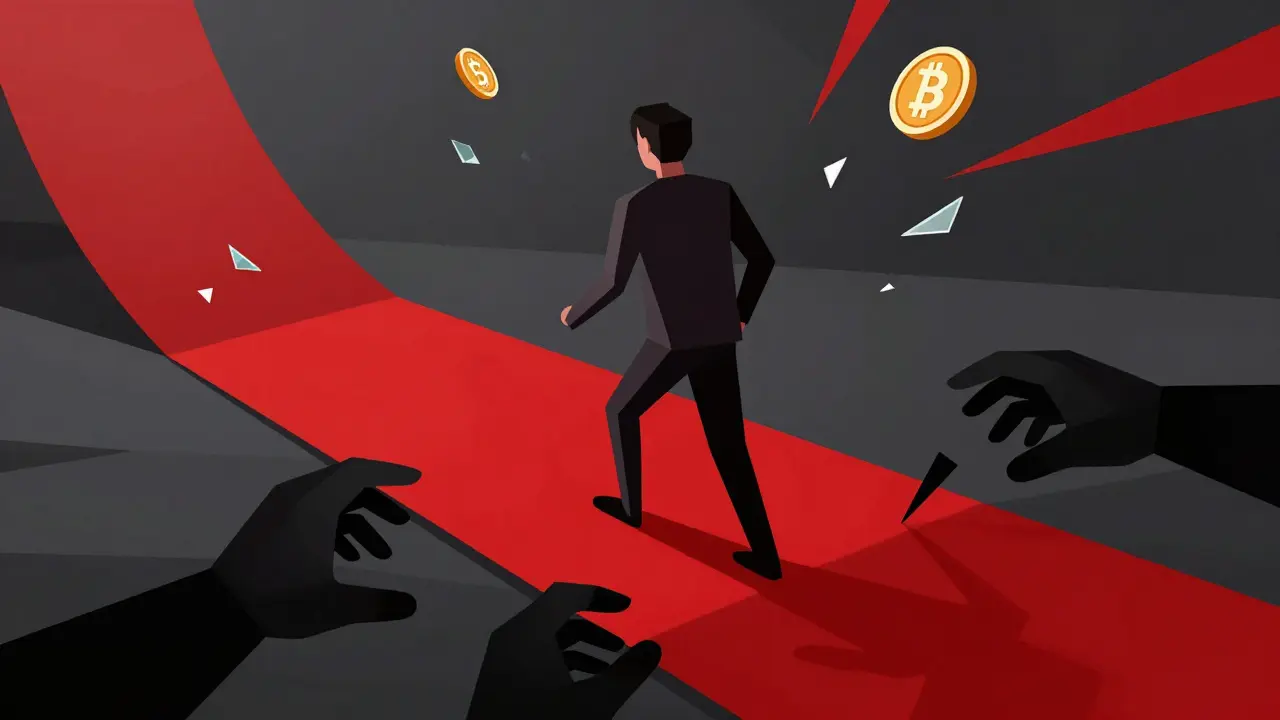
You see a new token on Twitter. It’s up 500% in an hour. The influencers are hyping it. Your heart races. You buy in. Then, the chart crashes to zero. You can’t sell. The website is gone. The developers have vanished with your money.
This isn’t a hypothetical nightmare. It’s a rug pull, defined as a malicious scheme where developers abandon a cryptocurrency project and steal investor funds. In 2024 alone, scammers executed roughly 92 rug pulls worldwide, stealing nearly $126 million. That number sounds small compared to billions lost in major exchange collapses, but rug pulls happen thousands of times more frequently. They are the most common crime in crypto because they require almost no technical skill to set up and leave victims with no legal recourse.
The term comes from the idiom "pulling the rug out from under someone." Developers create a project, build hype, attract liquidity (real money), and then suddenly remove that liquidity or disable selling functions. The result? Investors are left holding worthless tokens while the creators walk away rich.
The Anatomy of a Rug Pull: How Scammers Operate
To spot a scam, you need to understand how it works. Rug pulls generally fall into two categories: DeFi scams involving smart contract manipulation, and exit scams involving marketing deception. Often, scammers use both.
In a DeFi scam, the trap is built into the code. The developer writes a smart contract that looks normal but contains hidden backdoors. These might include:
- Honeypots: Code that allows anyone to buy the token but prevents anyone from selling it.
- Unlimited Minting: Functions allowing the developer to create infinite new tokens, diluting your value to zero.
- High Sell Fees: Contracts that charge 99% tax on sales, effectively trapping your funds.
In an exit scam, the technology might work fine initially. Instead, the fraud relies on psychology. Developers spend heavily on ads, fake partnerships, and influencer promotions to drive price up through Fear Of Missing Out (FOMO). Once enough people buy in, the developers simply withdraw all the liquidity from the trading pool. Without liquidity, there is no market. The token becomes unsellable.
The infamous Squid Game token ($SQUID) combined both methods. It featured a honeypot exploit in its code while simultaneously using massive marketing campaigns to attract over $3 million in just days. Understanding these mechanics helps you look past the hype and examine the structure.
Critical Red Flag #1: Anonymous Teams with No Track Record
If you cannot find who is behind the project, run. An anonymous development team is the single biggest risk factor for a potential rug pull.
Legitimate projects may keep some privacy, but they usually provide verifiable identities, LinkedIn profiles, or at least a proven track record of previous successful launches. Scammers hide because they want to disappear without accountability. If a team uses pseudonyms like "CryptoKing99" and has no history of building software, why should you trust them with your capital?
Check their social media. Do they have real interactions, or just bots posting emojis? Have they worked on other projects? If you search their names or wallet addresses and find links to previous failed or fraudulent schemes, that is a definitive stop sign.
Critical Red Flag #2: Lack of Smart Contract Audits
A smart contract audit is an independent review of a project's code by a reputable security firm. Legitimate teams hire firms like CertiK, PeckShield, or Trail of Bits to verify their code is safe. This costs money and time-things scammers don’t want to waste.
If a project claims to be "audited" but provides no link to a report from a known firm, be skeptical. Fake audit certificates are common. Even worse, if the source code is not verified on block explorers like Etherscan or BscScan, you are flying blind. Unverified code means you cannot see what the contract actually does. It could contain a function that lets the owner pause trading or blacklist your wallet.
Always check if the contract ownership has been renounced. When a team renounces ownership, they give up control of the contract. This makes it impossible for them to change fees or mint new tokens later. While not every good project renounces ownership, it is a strong signal of safety.
Critical Red Flag #3: Unrealistic Promises and Price Spikes
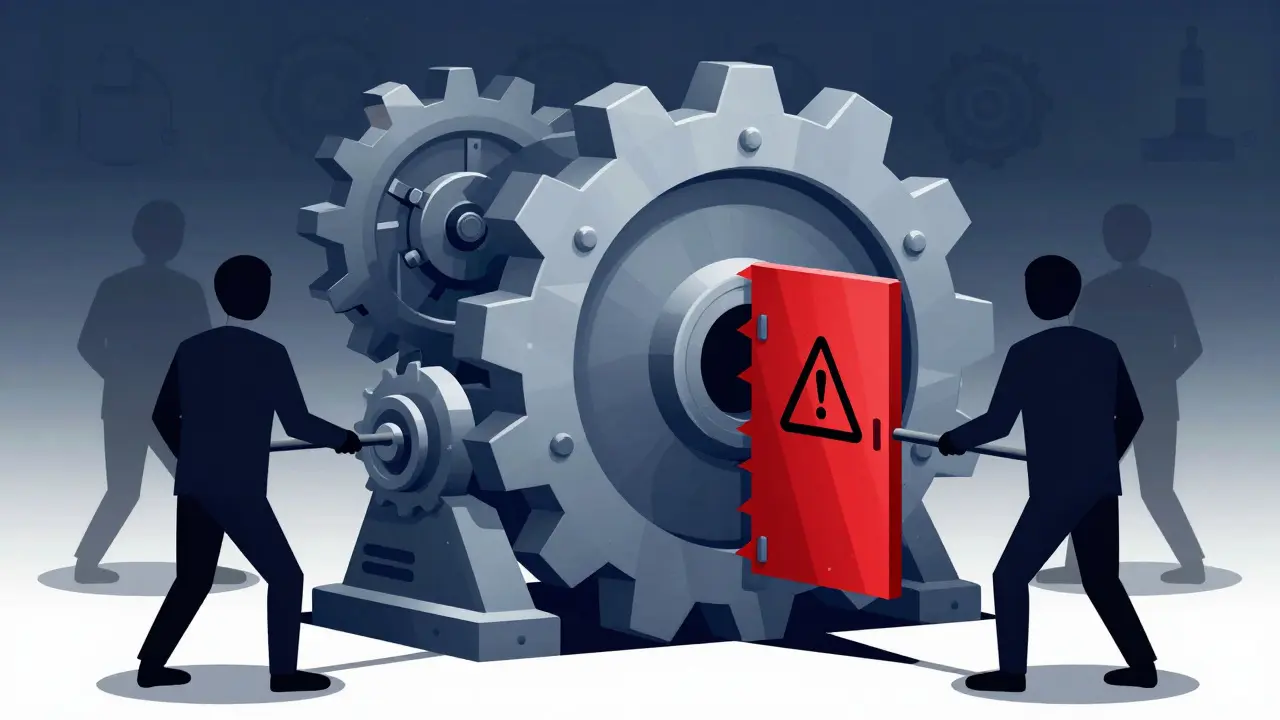
If a project promises 100X returns in a week, it is a scam. Period. Legitimate investments grow steadily. Rug pulls rely on creating artificial urgency.
Watch out for coins that skyrocket from $0.0001 to $0.05 in hours. This is often a "pump and dump" scheme. Coordinated groups buy early, inflate the price, and then sell everything when retail investors jump in chasing the green candles. By the time you see the spike, the insiders are already cashing out.
Also, beware of vague whitepapers filled with buzzwords like "revolutionary AI blockchain metaverse solution" but lacking technical details. If you can’t explain how the project makes money or solves a problem, it’s likely a vehicle for theft.
Critical Red Flag #4: Liquidity and Token Distribution Issues
Liquidity is the pool of real assets (like ETH or USDT) that allows you to trade your token. In a hard rug pull, developers simply withdraw this liquidity. To prevent this, legitimate projects lock their liquidity using services like Unicrypt or Team Finance for months or years.
Ask yourself: Is the liquidity locked? For how long? If the answer is "no" or "not disclosed," the developers can drain the pool at any second.
Next, look at token distribution. Who holds the most tokens? If the top 10 wallets hold more than 20-30% of the supply, and those wallets belong to the team or unknown entities, they can crash the price by dumping their holdings. Use tools like Etherscan to check holder distribution. A healthy project has a wide distribution among many users, not concentrated in a few hands.
| Feature | Safe Project Indicator | Rug Pull Red Flag |
|---|---|---|
| Team Identity | Doxxed (publicly identified) or strong track record | Fully anonymous with no prior history |
| Smart Contract | Audited by reputable firm; code verified | No audit; unverified source code |
| Liquidity | Locked for 6+ months via third-party service | Unlocked; developers can withdraw anytime |
| Token Distribution | Wide distribution; team tokens vested/locked | Top wallets hold >30%; no vesting schedule |
| Marketing | Focus on utility, tech, and community building | Focus on price, "moon" talk, and paid influencers |
Critical Red Flag #5: Suspicious Marketing and Community Behavior
Scammers invest heavily in creating a facade of legitimacy. They build professional websites, announce fake partnerships with big brands, and use bots to inflate social media followers.
Check the community channels (Telegram, Discord). Are people asking technical questions? Or is everyone just posting rocket emojis and asking about price? If admins ban anyone who asks critical questions, that is a major warning. Healthy communities encourage debate and due diligence.
Also, verify partnership claims. If a project says they partner with "Microsoft," check Microsoft’s official press releases. If Microsoft hasn’t announced it, the claim is fake. Scammers often list logos of companies they have no relationship with to appear credible.
How to Protect Yourself: A Practical Checklist
You don’t need to be a coder to stay safe. Follow this routine before buying any new token:
- Check the Contract Address: Never copy-paste from a tweet. Go to a trusted aggregator like CoinGecko or CoinMarketCap, or verify the address directly from the project’s official GitHub. One wrong character sends your money to a scammer.
- Use Safety Tools: Run the contract address through scanners like Honeypot.is or Tokenterminal.com. These tools instantly tell you if the token can be sold, if taxes are high, or if ownership is renounced.
- Verify Liquidity Locks: Look for a "Liquidity Locked" badge on the project site or verify it on platforms like Unicrypt. Ensure the lock period is reasonable (at least 6 months).
- Analyze Holders: On Etherscan/BscScan, check the "Holders" tab. If one wallet holds a huge percentage, avoid it.
- Start Small: Never invest money you can’t afford to lose. Treat new, unproven tokens as high-risk speculation, not investment.
Rug pulls are designed to exploit greed and impatience. By slowing down and checking these fundamental indicators, you can filter out 99% of scams. Remember, if it sounds too good to be true, it almost certainly is.
What is the difference between a hard rug pull and a soft rug pull?
A hard rug pull is sudden and violent. Developers withdraw all liquidity or trigger a smart contract exploit, causing the token price to drop to near zero instantly. A soft rug pull is slower. Developers gradually sell their large token holdings, abandon development, and let the project die over weeks or months, leaving investors with slowly depreciating assets.
Can a project with an anonymous team still be legitimate?
Yes, but it carries higher risk. Some early Bitcoin developers were anonymous. However, in today’s market, anonymity is a primary tactic for scammers. If a team is anonymous, they must compensate with extreme transparency in code, locked liquidity, audited contracts, and a long history of positive community interaction. If they lack these, assume it is a scam.
How do I know if a smart contract audit is fake?
Fake audits often come from unknown firms with generic names (e.g., "SecureAuditPro"). Always click the link provided by the project to see the full PDF report. Check if the auditing firm is listed on industry leaderboards like DeFiSafety. If the report is missing, vague, or only shows a logo without detailed findings, treat it as suspicious.
What is a honeypot token?
A honeypot is a token programmed so you can buy it but cannot sell it. The smart contract includes code that blocks outgoing transactions for all addresses except the developer’s. Victims see their portfolio value rise on paper but cannot convert it to real money. Tools like Honeypot.is can detect this before you buy.
Is it safe to buy tokens on decentralized exchanges like Uniswap?
Uniswap itself is safe, but anyone can list a token on it without verification. This makes DEXs a hotspot for rug pulls. You must perform your own due diligence on every token. Just because a token is on Uniswap does not mean it is vetted or safe. Always check liquidity locks and contract audits.