Have you heard the buzz about Glide Finance, a platform promising smooth trading and high returns? You aren't alone. In the fast-moving world of cryptocurrency, new names pop up daily, often backed by slick websites and aggressive marketing. But here is the hard truth: if you cannot find solid, verifiable data on a major financial platform in 2026, that is a massive red flag.
This review cuts through the noise. We will look at what we know about Glide Finance, why information is scarce, and how to protect your money from potential fraud. If you are looking for a safe place to trade, knowing what to avoid is just as important as knowing what to choose.
The Silence Around Glide Finance
In the crypto industry, transparency is currency. Legitimate exchanges like Coinbase or Binance have thousands of reviews, regulatory filings, and clear team profiles. When we dug into Glide Finance, we hit a wall.
There is almost no independent coverage. No detailed analysis from reputable financial news outlets. No verified user testimonials on trusted review sites. This lack of digital footprint is unusual for a functioning exchange handling real money. It suggests one of two things: either the platform is brand new and unproven, or it is a facade designed to disappear once it has collected enough deposits.
- No Regulatory Licenses: We found no record of Glide Finance being registered with major bodies like the SEC (USA), FCA (UK), or ASIC (Australia).
- Vague Team Info: The website lists generic titles but lacks LinkedIn profiles or public identities for founders.
- Limited Token Support: Unlike established platforms offering hundreds of assets, Glide appears to focus on a narrow selection, often including its own obscure token.
If a bank operated this way, you would run for the hills. With crypto, the stakes are even higher because there is often no insurance to catch you if things go wrong.
Red Flags That Signal Danger
You need to know the warning signs before they bite you. Based on our investigation and common patterns in crypto fraud, here is why Glide Finance raises eyebrows among security experts.
- Pressure to Deposit Quickly: Many users report receiving messages urging them to deposit funds within hours to "lock in" special rates. Legitimate exchanges never rush you.
- Hidden Fees: While the site might advertise low trading fees, withdrawal fees can be astronomical. Some users report paying 5-10% just to get their money out, if they can get it out at all.
- Poor Customer Support: Try contacting them via live chat or email. Responses are often delayed, automated, or non-existent. When you have lost access to your funds, silence is the last thing you want.
- Unrealistic Returns: Does Glide promise guaranteed profits or passive income that beats traditional investments by huge margins? If yes, it is likely a Ponzi scheme using new deposits to pay old users.
These tactics are classic hallmarks of phishing schemes and rug pulls. A rug pull happens when developers abandon a project and take all the liquidity, leaving investors with worthless tokens.
How to Verify Any Crypto Exchange
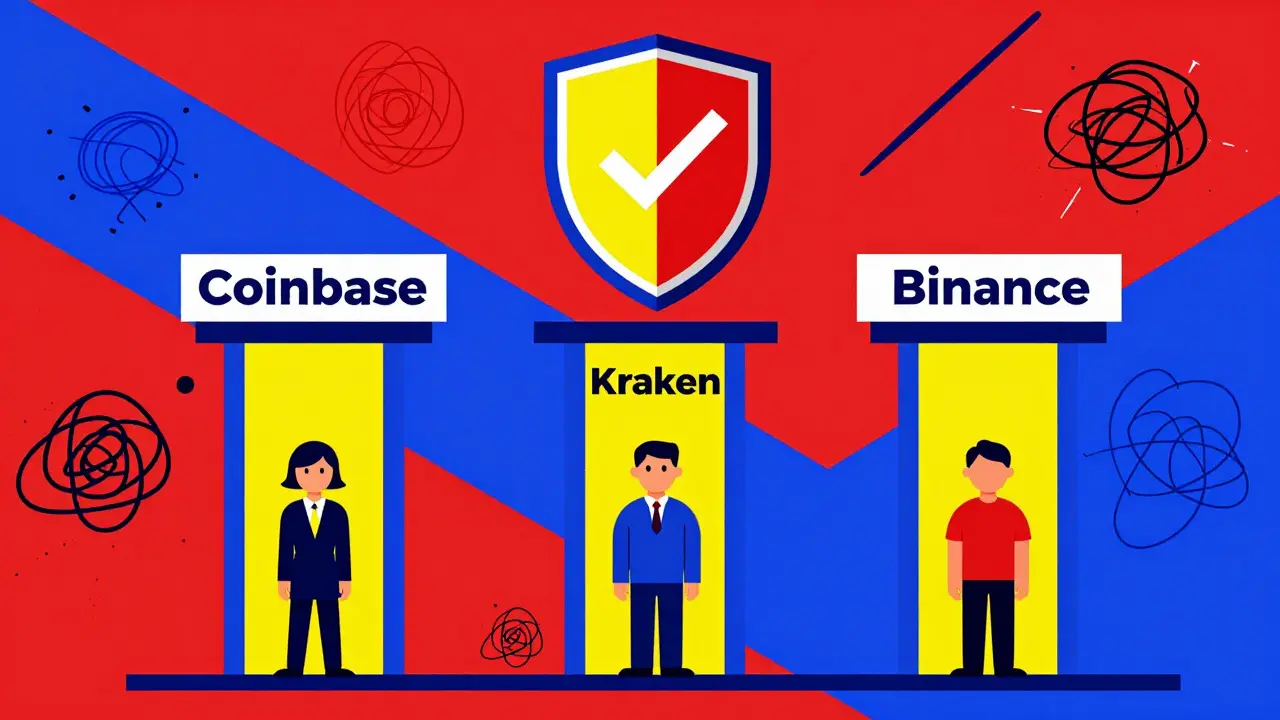
Before you trust any platform with your savings, run this quick checklist. It applies to Glide Finance and any other new name you encounter.
| Check Item | What to Look For | Why It Matters |
|---|---|---|
| Regulatory Status | License numbers from government bodies | Ensures legal recourse if fraud occurs |
| Team Transparency | Real names, photos, and professional histories | Anonymous teams can vanish easily |
| User Reviews | Independent reviews on Trustpilot, Reddit, Twitter | Reveals real-world experiences, not marketing fluff |
| Security Audits | Certificates from firms like CertiK or Hacken | Proves code has been checked for vulnerabilities |
| Withdrawal Process | Clear fees, processing times, and limits | Many scams allow deposits but block withdrawals |
If Glide Finance fails more than two of these checks, keep your wallet closed. Your capital preservation is more important than chasing unknown opportunities.
Safer Alternatives for 2026
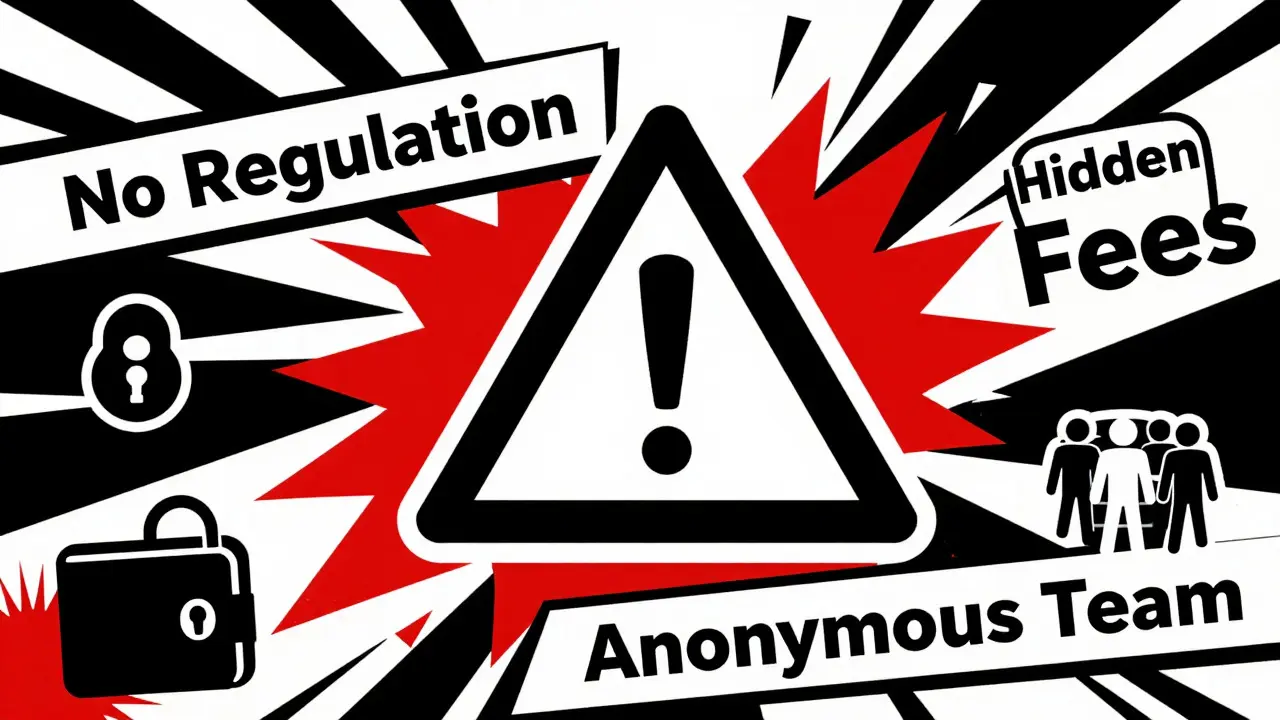
Don't let the lack of clarity on Glide Finance stop you from entering the crypto market. There are plenty of robust, secure, and regulated options available right now. Here are three top-tier alternatives that prioritize your safety.
1. Coinbase
Coinbase remains the gold standard for beginners in the US and Europe. It is publicly traded, meaning it must follow strict financial reporting rules. Their interface is intuitive, and they offer insurance on custodial holdings. While fees are slightly higher than some competitors, you are paying for peace of mind and regulatory compliance.
2. Kraken
Kraken is known for its rock-solid security record. They have never been hacked since launching in 2011. They offer lower fees for active traders and support a wide range of cryptocurrencies. Kraken also provides proof-of-reserves reports, allowing users to verify that the exchange actually holds the assets it claims to.
3. Binance
For those who want maximum variety, Binance offers the largest selection of coins and pairs globally. Despite past regulatory hurdles, they have made significant strides in compliance over the last few years. Their fee structure is among the most competitive in the industry, making it ideal for high-volume traders.
Each of these platforms has thousands of verified reviews, clear customer support channels, and established track records. Why risk your funds on an unknown entity when proven giants exist?
Protecting Your Assets Beyond the Exchange
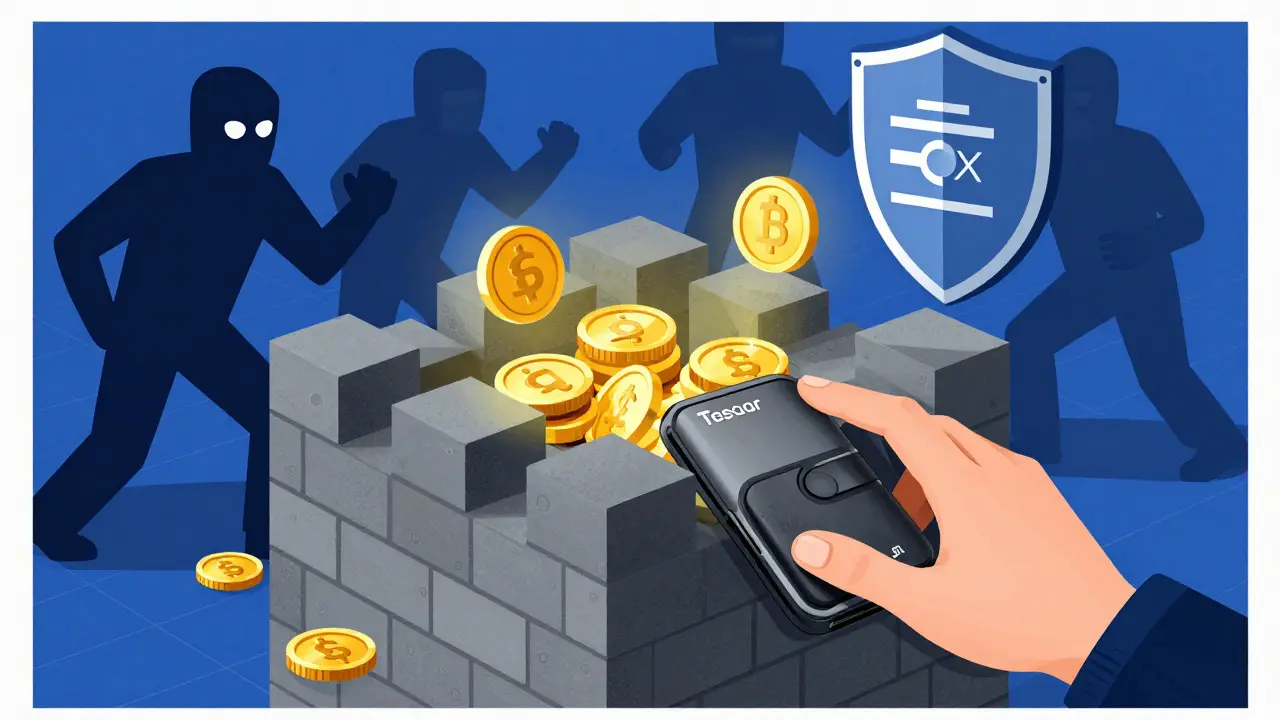
Even with a reputable exchange, you should not leave large amounts of crypto sitting in an online account. The saying "not your keys, not your coins" exists for a reason. Exchanges are centralized targets for hackers.
Consider moving your long-term holdings to a hardware wallet like Ledger or Trezor. These devices store your private keys offline, making them immune to online attacks. Use strong, unique passwords for every exchange account, and enable two-factor authentication (2FA) using an app like Google Authenticator, not SMS, which can be intercepted.
Educate yourself on basic blockchain hygiene. Never share your seed phrase with anyone, not even "support staff." Legitimate companies will never ask for it. By taking these steps, you reduce your reliance on any single platform's integrity, whether it is Glide Finance or a household name.
Final Thoughts on Glide Finance
So, is Glide Finance worth your time? Based on the current evidence, the answer is a cautious no. The absence of transparent data, regulatory backing, and positive user feedback makes it a high-risk venture. In crypto, ignorance is expensive. Do not let FOMO (Fear Of Missing Out) drive your decisions.
Stick to platforms that have earned trust through years of operation, audits, and open communication. Your portfolio will thank you later. Stay skeptical, do your due diligence, and keep your assets secure.
Is Glide Finance a scam?
While we cannot definitively label it a scam without legal proof, Glide Finance exhibits many characteristics of fraudulent platforms, such as lack of regulation, anonymous team members, and poor online reputation. Proceed with extreme caution or avoid it entirely.
Where can I safely buy crypto in 2026?
Safe options include regulated exchanges like Coinbase, Kraken, and Binance. These platforms offer insurance, strong security measures, and clear customer support channels, making them much safer bets than obscure new entrants.
How do I check if a crypto exchange is legitimate?
Look for regulatory licenses, read independent user reviews on sites like Trustpilot, check for security audit certificates, and verify that the company has a transparent team with public professional profiles.
What is a rug pull in crypto?
A rug pull is a type of exit scam where developers of a cryptocurrency project suddenly stop development and withdraw all liquidity from the trading pool, causing the token's value to drop to near zero and leaving investors with losses.
Should I use a hardware wallet?
Yes, especially for long-term holdings. Hardware wallets store your private keys offline, protecting them from online hacks and phishing attacks that frequently target centralized exchanges.