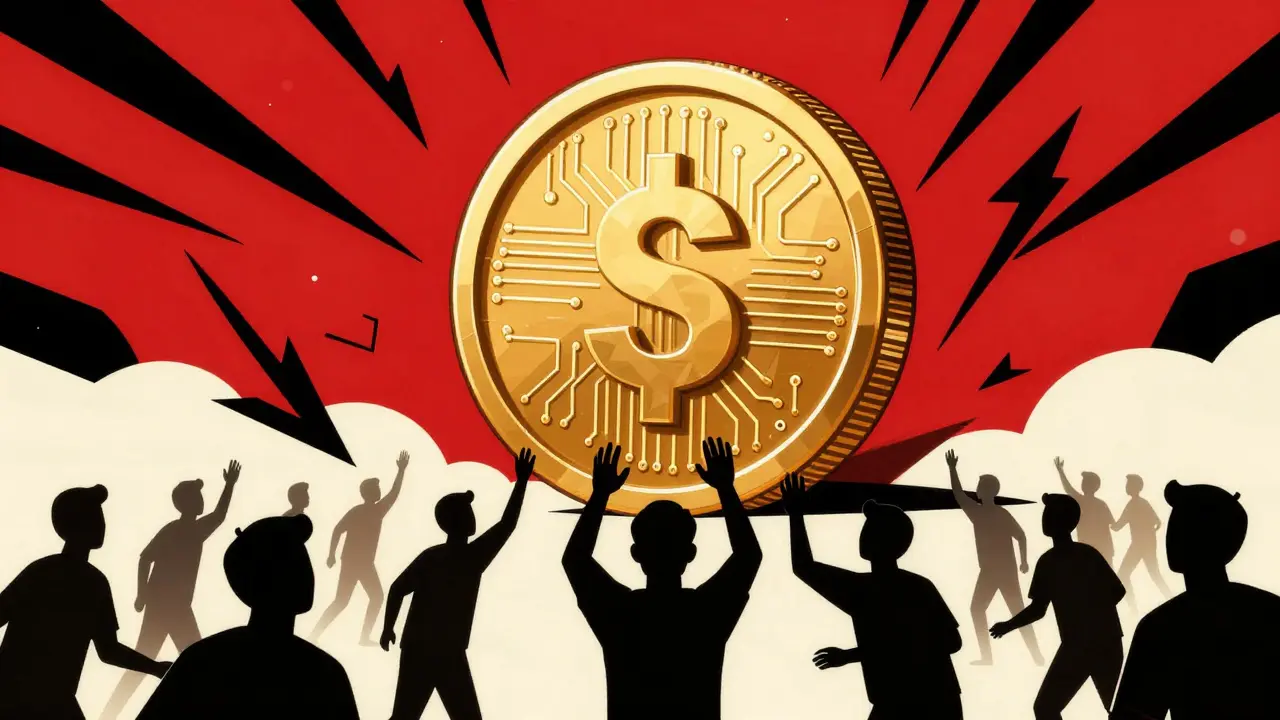
Imagine waking up to find your emergency fund, meant for a family member's surgery, vanished because the platform you trusted simply stopped working. This wasn't a hypothetical scenario for over 500,000 people in Turkey. The story of FTX Turkey is a cautionary tale of a localized cryptocurrency exchange that promised a safe haven from inflation but ended in a catastrophic bankruptcy. If you're looking for a current review to decide if you should sign up, the answer is simple: the platform is defunct. However, understanding why it failed is the only way to avoid the same trap with other exchanges.
The Rise and Fall of Ftxtr.com
Launched in 2019 by Sam Bankman-Fried, FTX Turkey (operating as Ftxtr.com) entered the market at a time when the Turkish economy was struggling. With inflation hitting over 85% annually, many citizens viewed cryptocurrencies as the only way to protect their savings from the crashing value of the lira. FTX Turkey capitalized on this by offering Turkish lira (TRY) fiat on-ramps and localized support, making it incredibly easy for people to move their money into digital assets.
For a while, it looked like a winner. The interface was in Turkish, and the fees were aggressively low-often far cheaper than local competitors. But beneath the polished surface, the platform was a house of cards. On November 11, 2022, the entire global operation filed for Chapter 11 bankruptcy in the United States. Almost overnight, the "safe haven" became a digital vault that users couldn't open.
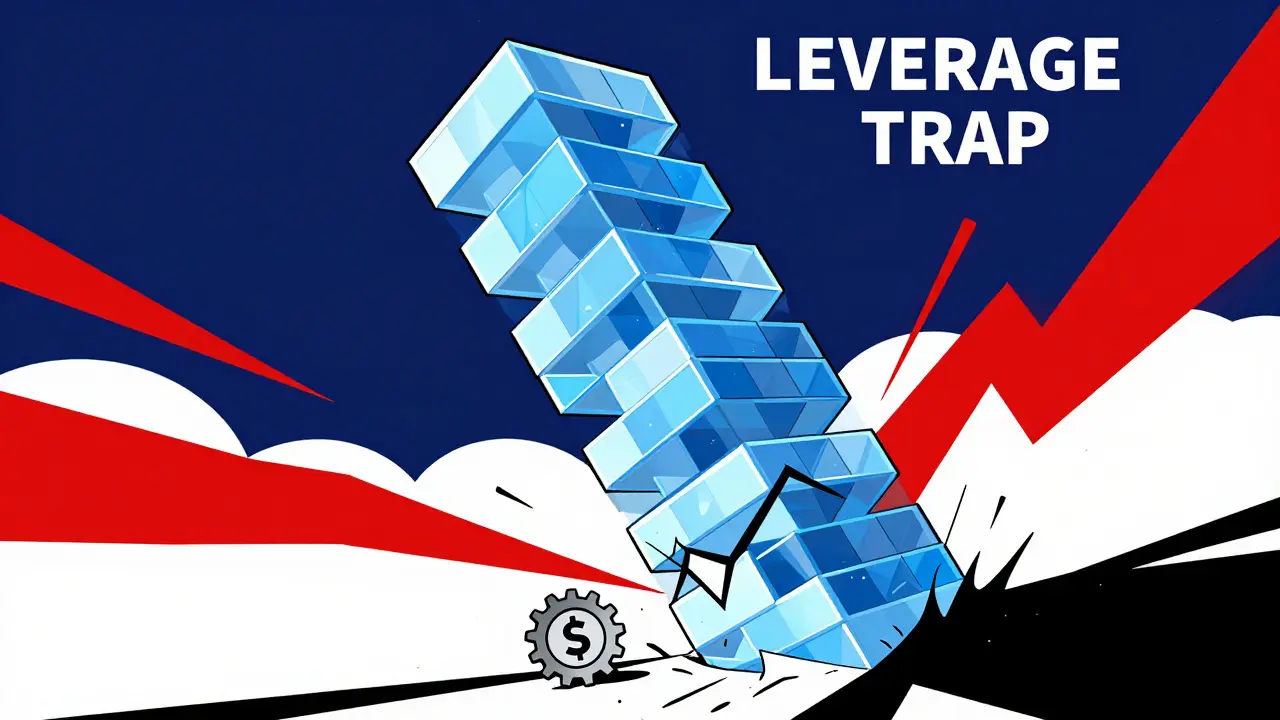
Technical Features and the 'Leverage Trap'
Technically, FTX Turkey was a mirror of its global parent. It supported spot trading and futures contracts across about 120 pairs. For advanced traders, it was a playground. They offered leveraged tokens with up to 3x leverage, allowing users to bet on price movements with borrowed money. They also used the FTT token as a way to lower trading fees; if you held at least 25 FTT, your costs dropped.
While these features sounded great, they were dangerous for the average person. Data from MASAK (Turkey's Financial Crimes Investigation Board) later revealed that a staggering 78% of Turkish users held leveraged positions. Most of these retail investors didn't fully grasp the risks. When the liquidity crisis hit, those leveraged positions were wiped out instantly. In the 72 hours before the bankruptcy, the order book depth-basically the ability to buy or sell without swinging the price-collapsed by 92%.
| Feature | FTX Turkey | Paribu | Binance Turkey |
|---|---|---|---|
| Trading Fees (Makers) | 0.05% - 0.07% | 0.25% - 0.4% | 0.1% |
| Asset Pairs | ~120 | Moderate | 200+ |
| Local Registration | None | SPK Registered | Partnered (Bgator) |
| Advanced Derivatives | High | Low | Medium |
The Regulatory Blind Spot
One of the biggest mistakes users made was trusting the platform's claims of compliance. FTX Turkey operated under a Bahamas-based regulatory framework, which is essentially a fancy way of saying it wasn't actually regulated inside Turkey. It never held an official license from the Capital Markets Board (SPK).
This is what experts call "regulatory arbitrage." The company played the system to avoid strict local rules while still taking local deposits. When the crash happened, Turkish users discovered they had zero legal protection within their own borders. MASAK later confirmed that the exchange violated Article 7 of Turkey's Anti-Money Laundering Law because it operated as an unregistered entity. If you're choosing an exchange today, the lesson is clear: don't trust the "About Us" page-check the official government registry.
The Aftermath: Recovery and Realities
Recovering funds from FTX Turkey has been a nightmare. After the collapse, the platform suddenly asked users for bank details to process TRY refunds. However, a survey showed that 68% of people who provided this info never saw a dime. Because the company was based in the Bahamas and filed for bankruptcy in Delaware, Turkish users were forced into a complex international legal battle.
Most Turkish claimants represent a small fraction of the total bankruptcy pool, with average claims around $2,147. For many, this wasn't just a trading loss; it was a life-altering financial blow. This trauma has fundamentally changed how Turkey views crypto. Only 28% of previously affected investors say they'd ever trust a centralized exchange again. This shift is exactly why the Turkish government accelerated the development of a national digital lira-they wanted a regulated alternative that doesn't depend on a single billionaire's whim.
How to Avoid Another FTX
The collapse of FTX Turkey provides a blueprint for how to keep your money safe in the future. First, avoid "exchange hoarding." A common tip from survivors is to never keep more than three days' worth of trading capital on any platform. Move the rest to a hardware wallet where you hold the private keys.
Second, verify the custodian. If an exchange isn't registered with your national regulator (like the SPK in Turkey or the SEC in the US), you are essentially lending your money to a stranger with no contract. Third, be wary of native tokens used for fee discounts. While FTT seemed like a perk, it was actually a tool used to inflate the company's perceived value while masking a massive hole in their balance sheet.
Can I still withdraw funds from FTX Turkey?
No. FTX Turkey is defunct and has been since November 2022. Any remaining funds are subject to the U.S. bankruptcy court proceedings. You cannot log in to trade or withdraw as you normally would.
Was FTX Turkey legal in Turkey?
According to MASAK, FTX Turkey operated illegally. It did not have the necessary registrations as a liable organization and violated Turkey's Law on the Prevention of Laundering Proceeds of Crime.
What happened to the FTT tokens held by Turkish users?
The FTT token lost the vast majority of its value during the collapse. Since the exchange where these tokens were primarily used is gone, they have virtually no utility and very little market value.
Who should I contact for fund recovery?
Claims are handled through the official FTX bankruptcy portal in the United States. Turkish users were also advised by MASAK to keep all transaction history and identification documents for potential local restitution efforts.
Why did so many Turkish people use FTX Turkey despite the risks?
High inflation in Turkey (over 85%) drove people to find any way to preserve their wealth. The low fees, Turkish language support, and ease of depositing lira made it an attractive option compared to more restrictive local banks.
Comments
Matthew Wright
This is a textbook example of why self-custody is the only way to go... If you don't hold your keys, you don't actually own your coins!!! It's crazy how many people still believe the 'safe' marketing of these centralized entities... Always use a hardware wallet for long-term storage!!!
April 4, 2026 at 15:40
Arwyn Keast
Absolutely pathetic. The systemic failure here is obvious to anyone with a shred of financial literacy. These retail traders were basically gambling with zero risk management, chasing yield in a regulatory vacuum. It's typical of these offshore entities to leverage arbitrary jurisdictional gaps to fleece the masses. Absolute shambles.
April 5, 2026 at 15:46
Trish Swanson
Total nightmare!!! Just awful!!!
April 6, 2026 at 23:52
Suvoranjan Mukherjee
The correlation between hyperinflation and crypto adoption is so strong in emerging markets. When your local fiat is losing value by the hour, a centralized exchange feels like a lifeboat, even if it's leaking. We see similar patterns in other regions where the lack of stablecoin on-ramps pushes people toward these riskier, high-leverage platforms. For those still in the game, I highly suggest looking into DeFi protocols for liquidity if you're comfortable with the smart contract risk, as it removes the single point of failure that was SBF. Just be careful with the slippage on low-volume pairs!
April 7, 2026 at 23:52
Joshua Aldrich
it's honestly heartbreaking to think about people losing money meant for surgery... like that's just cruel. money is just a tool but when it's tied to survival, these corporate failurs become human tragedies. we laways think we're too smart for the scam untill it hits us. the real lesson isnt just about wallets, its about the fragility of trust in a digital age where things can just vanish with a 404 error. hope those folks get at least some of it back thogh the legal system is usually too slow for people who need it now.
April 8, 2026 at 01:01
Adriana Gurau
Imagine actually thinking a 'discount token' was a good deal 🙄. The level of naivety required to fall for this is honestly impressive. Only people who don't understand basic balance sheets would have touched FTT. 💅
April 8, 2026 at 13:35
Susan Wright
I've helped a few people navigate the bankruptcy portal and it's a mess. Just a heads up for anyone still trying: keep every single CSV export and screenshot of your account balance you have. The court is very strict about documentation and any discrepancy can lead to your claim being flagged or denied entirely.
April 9, 2026 at 06:51
akash temgire
The lack of SPK registration is the primary failure point here. It is unacceptable for an entity to operate without local licensure.
April 11, 2026 at 06:34
alex rodea
Keep your head up everyone. Just learn from this and move forward. You can always make more money, just stay safe next time!
April 12, 2026 at 10:38
Brooke Herold
It's really sad to see how this impacted a whole community's trust in technology. I think it shows why we need more global standards instead of these fragmented rules. When people are just trying to survive inflation and they get burned by a company halfway across the world, it creates a lot of resentment toward innovation in general. It's a tough lesson for everyone involved.
April 13, 2026 at 21:00